Defining Sustainable Roofing Materials
Eco-friendly roofing solutions are roofing systems made from sustainable, recycled, or long-lasting materials that reduce environmental impact while protecting your home. Here’s a quick overview of the most common options:
| Roofing Type | Key Benefit | Lifespan |
|---|---|---|
| Metal Roofing | Recyclable, reflects heat | 50+ years |
| Recycled Shingles | Made from post-consumer waste | 50+ years |
| Clay or Concrete Tiles | Natural materials, very durable | 100+ years |
| Natural Slate | Minimal processing, long-lasting | 100+ years |
| Composite Slate | Lightweight, recycled content | 50 years |
| Green (Living) Roof | Manages stormwater, boosts biodiversity | Varies |
| Cool Roof | Reflects sunlight, lowers cooling costs | Varies |
Most homeowners think about insulation, windows, or HVAC when making their home more sustainable. The roof rarely comes up first. But it should.
Your roof is your home’s first line of defense against the elements. It also plays a major role in how much energy your home uses every day. A poorly chosen roofing material can drive up cooling costs, contribute to landfill waste, and even accelerate urban heat buildup in your neighborhood.
The good news? Sustainable roofing has come a long way. Today’s eco-friendly options don’t ask you to sacrifice durability, aesthetics, or budget predictability. Many last decades longer than conventional asphalt, come with strong warranties, and can even lower your energy bills year after year.
I’m Thomas Pruszynski from TJ Builders & Developers Inc, and with over 20 years helping homeowners across Northern Illinois protect and improve their properties, I’ve seen how the right eco-friendly roofing solutions can deliver lasting value — both for your home and the environment. In this guide, I’ll walk you through the best sustainable roofing materials available today so you can make a confident, informed decision.
Easy Eco-friendly roofing solutions word list:
When we talk about “green” or “eco-friendly” roofs, we aren’t just talking about the color. We are looking at the entire lifecycle of the product. Truly abundant resources Sustainable roofing materials are those made from renewable, recycled, or naturally occurring substances that don’t deplete the earth’s health.
In the roofing industry, several standards help us identify these materials. You’ve likely heard of LEED certification (Leadership in Energy and Environmental Design), which provides a framework for healthy, efficient, and cost-saving green buildings. Similarly, Energy Star standards identify products that offer superior energy efficiency.
When evaluating a material’s “greenness,” we consider several factors:
- Carbon Footprint: How much energy was used to manufacture and transport the material to your home in Lakewood or Barrington?
- Manufacturing Ethics: Was the material produced in a way that minimizes toxic runoff?
- Material Lifecycle: Does the roof last 15 years, or 100? Longevity is one of the most eco-friendly traits a roof can have because it prevents waste.
- End-of-Life Recyclability: When the roof finally retires, can it be turned into something else, or is it destined for an Illinois landfill?
Why Invest in Eco-friendly roofing solutions?
Investing in a sustainable roof isn’t just a “feel-good” move; it’s a smart financial decision for Northern Illinois homeowners.

Energy Efficiency and HVAC Strain
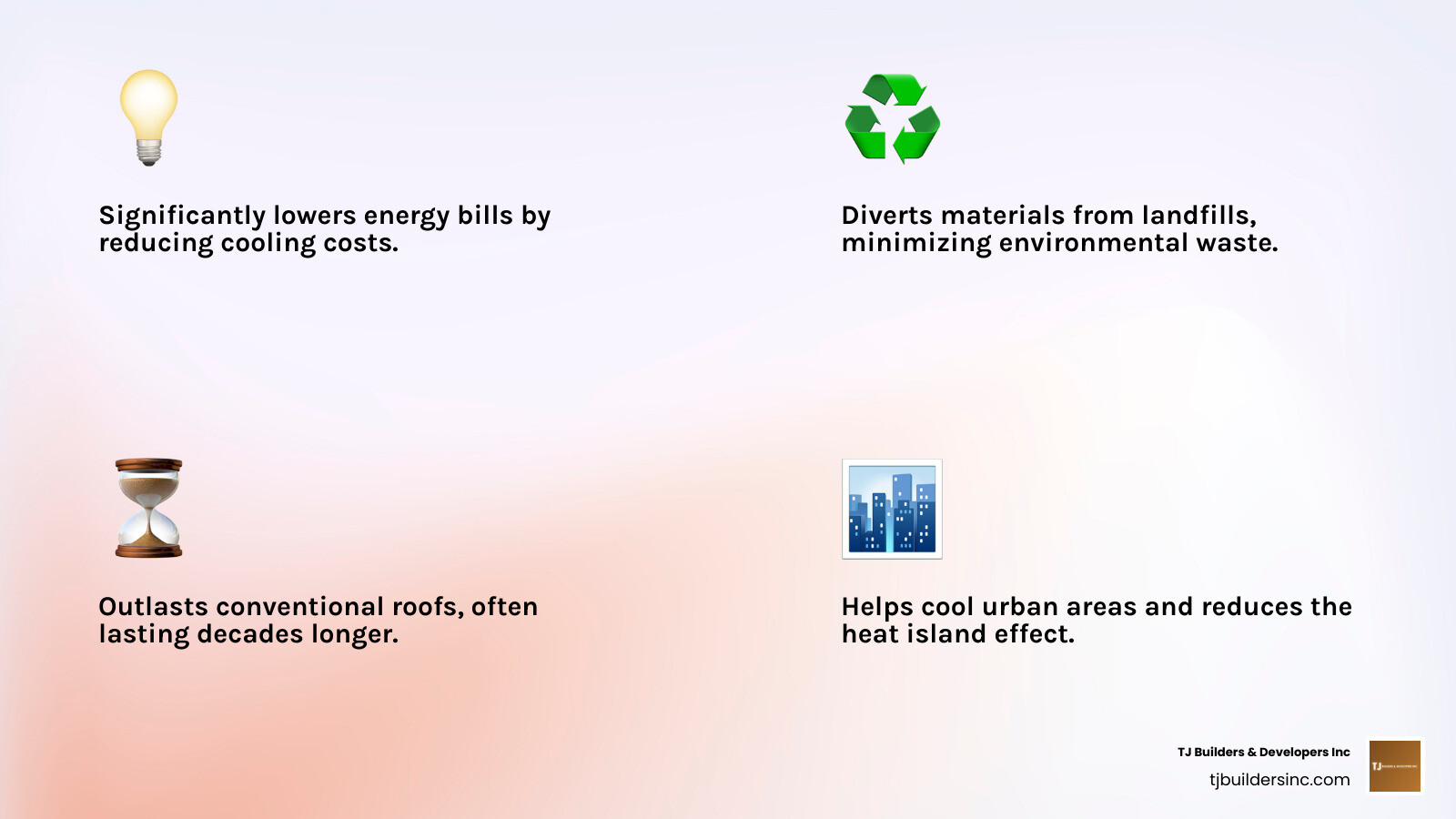
One of the primary benefits is a massive reduction in energy consumption. Traditional dark roofs absorb solar heat, turning your attic into an oven. This forces your air conditioner to work overtime. Eco-friendly roofing solutions like “cool roofs” or light-colored metal reflect a huge portion of the sun’s rays. This reduces the strain on your HVAC system, extending its life and lowering your monthly utility bills.
Environmental Impact
Beyond your own wallet, sustainable roofs help the whole community. In areas like Schaumburg or the Chicago suburbs, “urban heat islands” occur when dark surfaces absorb heat and raise the local temperature. Reflective roofs help mitigate this. Additionally, green roofs play a huge role in urban biodiversity, providing habitats for pollinators like bees and birds in otherwise paved-over areas.
Stormwater Management
In Illinois, we get our fair share of heavy rain. Sustainable roofs, particularly vegetated ones, help manage stormwater runoff by absorbing rain that would otherwise overwhelm local drainage systems.
Property Value
Finally, a durable, eco-friendly roof is a major selling point. Modern buyers are looking for homes with low maintenance costs and high efficiency. When you choose high-quality Asphalt Shingle Options that feature recycled content or high reflectivity, you are directly enhancing your property’s market value.
Need Help With Your Home?
TJ Builders & Developers handles roofing, siding, gutters, windows, home additions, and fire damage restoration for homes and businesses in Lakewood, Crystal Lake, Schaumburg, and nearby McHenry County towns.
- Free, no-obligation estimates
- Licensed & insured
- 20+ years of local experience
Top Sustainable Materials for Residential Properties
Choosing the right material depends on your home’s architecture, your budget, and the specific weather patterns in Northern Illinois. We deal with everything from scorching summers to heavy snow loads and hail.
| Material | Lifespan | Cost | Recyclability |
|---|---|---|---|
| Metal | 50-70 Years | Moderate-High | 100% |
| Clay/Concrete | 100+ Years | High | High |
| Recycled Shingles | 50 Years | Moderate | High |
| Composite Slate | 50 Years | Moderate | High |
| Natural Slate | 100+ Years | Very High | 100% |
Popular Eco-friendly roofing solutions for Illinois Homes
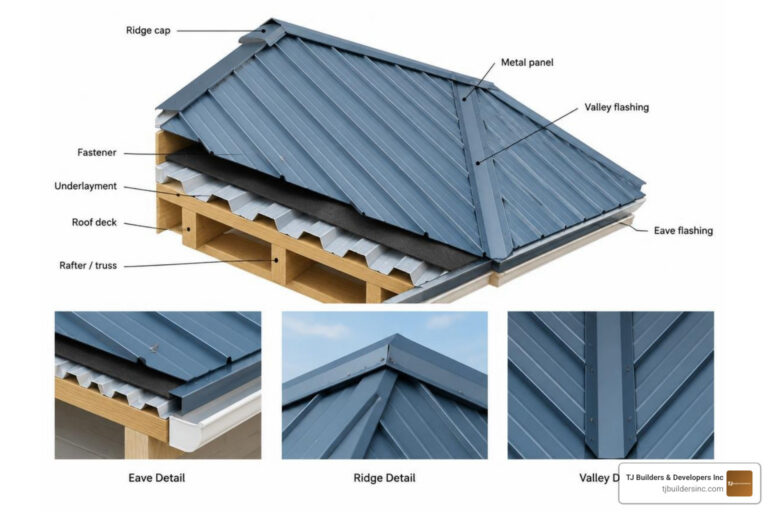
Metal Roofing Metal is a superstar in the sustainable world. Whether it’s aluminum, steel, or zinc, metal roofs often contain 25% to 95% recycled content and are 100% recyclable at the end of their life. Standing-seam systems are particularly popular because they are durable, fire-resistant, and excellent at shedding snow during our harsh winters.
Recycled Shingles If you like the look of traditional shingles but want to be greener, recycled shingles are the answer. These are often produced from 75–100% post-consumer waste, such as recycled plastic, rubber, or even wood fiber. They mimic the look of slate or wood shakes but are much lighter and more durable. If you are considering an Asphalt Roof Installation, look for brands that incorporate recycled content to reduce the environmental footprint of your Roofing project.
Rubber Roofing (EPDM) Often made from recycled tires, rubber roofing is incredibly durable and weather-resistant. It’s a great option for flat or low-slope sections of a home. It’s also relatively easy to repair, which extends its life even further.
Composite Slate Natural slate is beautiful but incredibly heavy and expensive. Composite slate tiles provide the same “Old World” look using recycled resins and minerals. They are much lighter, meaning you don’t need to reinforce your home’s structure, and they often come with a Class 4 impact rating—the highest in the industry for hail resistance.
Long-Term Benefits of Eco-friendly roofing solutions
When you look at the price tag of a sustainable roof, it’s important to look at the “Return on Investment” (ROI). While a standard asphalt roof might last 15 to 20 years, many eco-friendly options are backed by 50-year transferable warranties.
Materials made from earthen materials, such as clay and concrete tiles, have been used for centuries. They are inherently fire-resistant and can withstand the extreme temperature swings we see in the Chicago suburbs. Natural slate can literally last a century. When you divide the cost of the roof by its lifespan, these “expensive” options often turn out to be the most economical over the long haul because you aren’t paying for a replacement every two decades.
Vegetated and Living Roof Systems
A green roof is essentially a garden on top of your house. These systems feature vegetation layers that absorb rainwater, provide incredible natural insulation, and improve local air quality.
There are two main types:
- Extensive Green Roofs: These are lightweight and use shallow soil (usually 3-6 inches). They are perfect for residential homes and usually feature hardy, low-maintenance plants like sedum.
- Intensive Green Roofs: These are essentially rooftop parks. They require much deeper soil and can support bushes or even small trees. These are much heavier and usually reserved for commercial buildings or custom-engineered homes.
Green roofs are incredible for thermal performance, keeping homes significantly cooler in the summer and warmer in the winter. They also act as a natural sound barrier, which is a nice perk if you live near a busy road or airport.
Installation, Maintenance, and Regulatory Factors
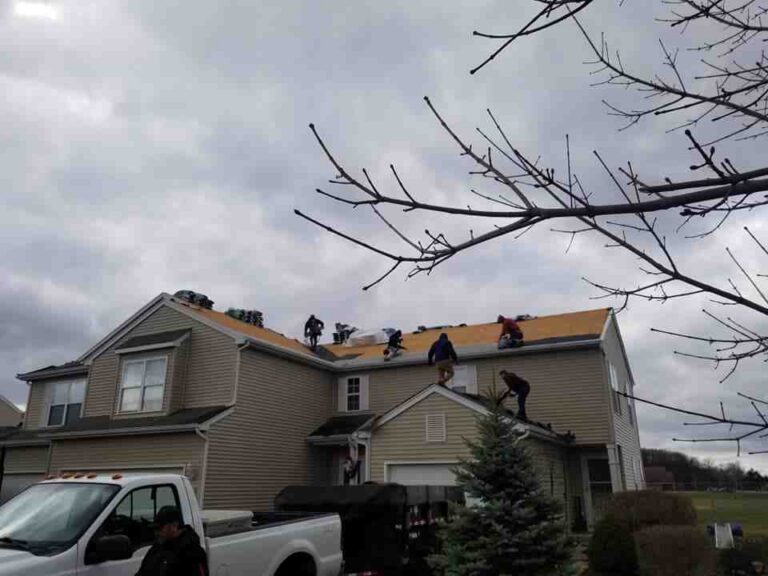
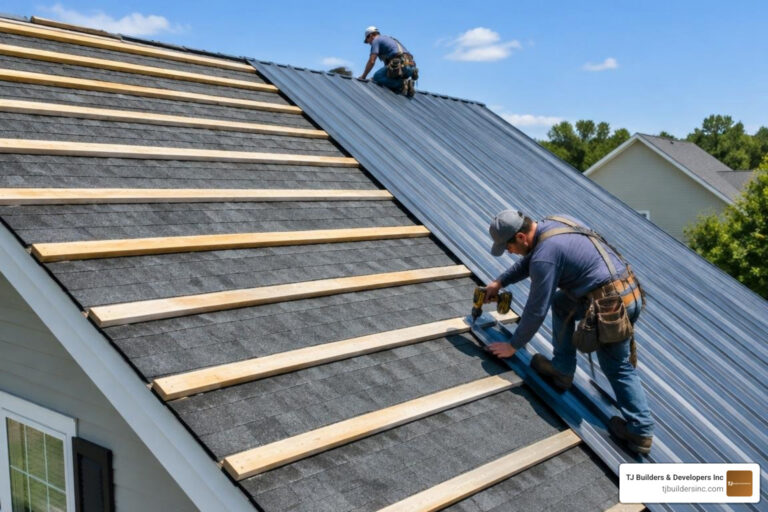
Installing an eco-friendly roof isn’t a DIY project. Because many of these materials are specialized, they require professional workmanship to ensure they perform as intended.
Structural Reinforcement and Weight
Before you install a heavy material like clay tile or a vegetated roof, a structural engineer or a professional contractor must verify that your home can handle the load. A “living roof” saturated with rainwater is much heavier than a standard shingle roof.
Building Codes and Permits
Every municipality—from Crystal Lake to Bartlett—has its own building codes. Some eco-friendly materials might require special permits or meet specific fire-resistance ratings. We always recommend checking our Roof Installation & Replacement Complete Guide to understand the steps involved in a professional replacement.
Maintenance
While some eco-friendly roofs like metal or composite slate are “set it and forget it,” others require a bit of love.
- Green Roofs: Need occasional weeding and checking of the drainage systems.
- Cool Roofs: Reflective coatings may need to be cleaned every few years to maintain their “cool” properties.
- Wood Shingles: If you choose sustainable wood shakes, they may need periodic treatments to prevent rot or moss growth.
Regular inspections are the key. Catching a small issue early prevents it from becoming a major, non-eco-friendly headache later.
Need Help With Your Home?
TJ Builders & Developers handles roofing, siding, gutters, windows, home additions, and fire damage restoration for homes and businesses in Lakewood, Crystal Lake, Schaumburg, and nearby McHenry County towns.
- Free, no-obligation estimates
- Licensed & insured
- 20+ years of local experience
Frequently Asked Questions about Sustainable Roofing
How much do sustainable roofs cost compared to traditional asphalt?
Generally, the upfront cost is higher. While a standard asphalt roof might be the “cheapest” today, it has the highest long-term cost because it needs frequent replacement. Sustainable options like metal or composite might cost 2-3 times more initially, but they last 3-5 times longer and save you money on energy bills and insurance premiums.
Do eco-friendly roofs require more maintenance than standard options?
It depends on the material. Metal and composite slate actually require less maintenance than asphalt shingles, which can lose granules or blow off in high winds. Vegetated green roofs do require more maintenance (gardening), but they also provide the highest level of energy savings and environmental benefits.
Are green roofs suitable for residential homes in Northern Illinois?
Yes, but they require careful planning. Our climate means we need plants that can survive both sub-zero winters and humid 90-degree summers. Extensive green roofs with sedum are very successful in the Chicago area. You just need to ensure your home’s structure is rated for the weight.
Conclusion
At TJ Builders & Developers Inc, we believe that a roof should do more than just keep the rain out—it should contribute to a healthier home and a healthier planet. Whether you are interested in the sleek, modern look of metal or the timeless durability of composite slate, there is a sustainable solution that fits your style and your values.
Based in Lakewood, IL, we specialize in providing reliable workmanship and professional exterior services to homeowners across Crystal Lake, Schaumburg, Barrington, and the surrounding suburbs. We take pride in helping our neighbors make smart, long-term investments in their properties.
If you’re ready to explore Eco-friendly roofing solutions for your home, we’re here to help you navigate the options, from material selection to professional installation. Let’s build something that lasts. Eco-friendly roofing solutions are the future of Illinois homes—and the future starts at the top.