Why Homeowners Consider Exterior Siding Installation
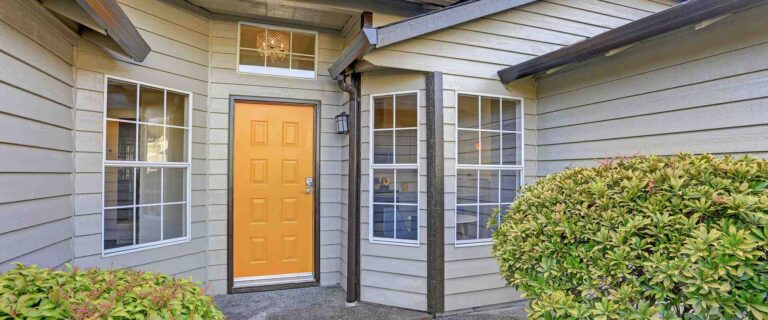
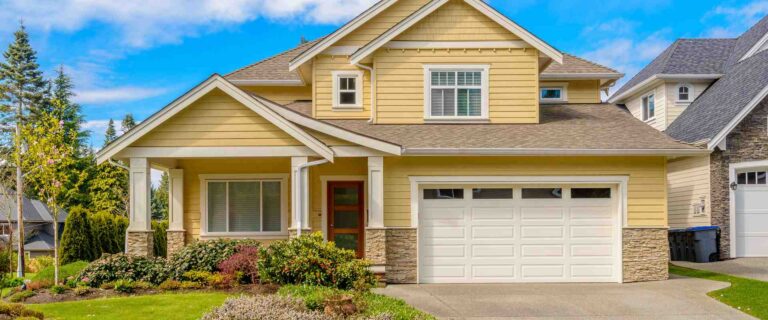
Exterior siding installation is more than just an aesthetic upgrade—it’s your home’s primary defense against weather, moisture, and structural damage. When you see cracked panels, faded color, or rising energy bills, new siding is an investment that protects your home while dramatically improving curb appeal.
A successful project involves choosing the right material, preparing the underlying structure, and using professional installation techniques to integrate with windows, doors, and roofing. The complexity of siding installation extends beyond simply attaching panels; it requires precise measurement, proper flashing, and attention to expansion gaps. While some homeowners may consider a DIY approach, mistakes can lead to water intrusion, mold growth, and costly repairs.
I’m Thomas Pruszynski, and at TJ Builders & Developers, we’ve completed countless exterior siding installation projects across Northern Illinois for over 20 years, protecting homes from harsh weather while enhancing their beauty. In this guide, I’ll explain what makes siding installation challenging and why professional expertise is essential.
Important Exterior siding installation terms:
Understanding Your Siding Project: Materials, Costs, and Key Considerations
Starting on an exterior siding installation project for your home in Lakewood, Crystal Lake, or any of the surrounding Chicago suburbs requires careful planning. This section helps homeowners explore material options and budget factors, highlighting why thorough preparation is crucial for a successful outcome.
Choosing Your Siding Material
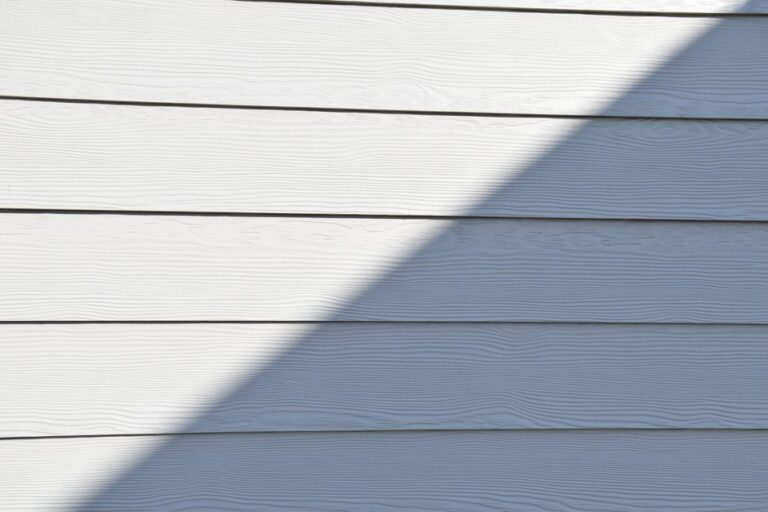
The right siding material impacts your home’s aesthetic, energy efficiency, and long-term maintenance. With the diverse weather in Northern Illinois, selecting a durable material is paramount. Let’s explore the different types of exterior siding materials available.
| Material | Durability | Maintenance | Cost | Aesthetics |
|---|---|---|---|---|
| Vinyl | Excellent; resists moisture, warping, and cracking. Can last 60+ years. | Low; never needs painting, easy to clean. | Economical | Wide range of profiles, textures, and colors; can mimic wood or stone. |
| Fiber Cement | Exceptional; withstands weather extremes, fire, moisture, and pests. | Low; requires occasional cleaning and inspection of caulk joints. | Moderate to High | Sophisticated look; mimics wood, stucco, or masonry. |
| Wood | Good; durable but susceptible to rot and pests without upkeep. | High; requires regular staining, sealing, or painting. | Moderate to High | Natural beauty, classic charm, customizable. |
| Engineered Wood | Very good; resistant to impact, humidity, fungal decay, and termites. | Moderate; offers the look of wood with less maintenance. | Moderate | Rich grain texture of wood; comes in various colors. |
| Aluminum | Excellent; durable, weather-resistant, pest-resistant, and fire-resistant. | Low; easy to maintain. | Moderate | Clean, contemporary look; available in textured or smooth finishes. |
Vinyl Siding: A popular choice for homeowners in areas like Schaumburg and Palatine, vinyl is valued for its durability and low-maintenance requirements. It resists moisture damage like warping or rotting, making it an excellent defense against our region’s varied climate. It comes in a vast selection of profiles and colors, with some designs mimicking wood or stone. Properly maintained vinyl siding can last for decades, providing a significant return on investment.
Wood Siding: For those who appreciate natural beauty, wood siding remains a timeless option. However, it requires a high level of maintenance, including regular inspections for rot, pest prevention, and a consistent staining or sealing schedule to protect it from moisture.
Fiber Cement Siding: Considered a top-performing option, fiber cement siding from brands like James Hardie is engineered to withstand extreme weather without cracking or retaining moisture. It is highly resistant to fire and pests, making it a robust choice for homes in Crystal Lake and Mount Prospect. Its advanced color technology resists fading, requiring minimal upkeep. For more in-depth information, you can Learn about fiber cement siding.
Engineered Wood Siding: This material offers the look of natural wood without its vulnerability to termites and fungal decay. It is a durable, lightweight option that provides the aesthetic of wood with reduced maintenance.
Aluminum Siding: Offering a clean, contemporary look, aluminum siding is lightweight, easy to maintain, and provides excellent durability against pests and fire.
Factors Influencing the Cost of Exterior Siding Installation
The cost of exterior siding installation is a significant investment, with several variables influencing the final price. Understanding these factors will help you budget effectively for your project in Elk Grove Village or Barrington. Generally, siding installation costs can range from $5,000 to $14,050 for materials and labor on an average home.
Key factors that influence the cost include:
- Home Size: A larger home requires more material and labor, increasing the overall cost.
- Architectural Complexity: Homes with intricate designs, multiple stories, or numerous windows require more detailed cuts and specialized techniques, adding to labor time.
- Material Choice: The selected material significantly impacts both material and labor costs.
- Labor Costs: A major component of the price, influenced by contractor experience and job complexity.
- Old Siding Removal: Removing existing siding adds to labor and disposal costs but is often necessary for a proper inspection and installation.
- Underlying Damage Repair: When old siding is removed, hidden issues like rot or structural problems may be found. These repairs are crucial and will add to the project’s cost.
- Insulation: Adding an insulation layer can improve energy efficiency but will also increase the initial cost.
Signs Your Siding Needs Replacement
Your home’s siding works tirelessly to protect it. Over time, even durable materials show wear. Ignoring these signs can lead to more significant, costly problems. Here are key indicators that your siding may need replacement:
- Cracks and Warping: Visible cracks or warping compromise your home’s protective barrier, allowing moisture to penetrate.
- Faded Color: Excessive or uneven fading can indicate that your siding is no longer effectively protecting your home from UV radiation.
- High Energy Bills: Damaged siding can lead to air leaks and reduced insulation. A sudden spike in energy costs may point to failing siding.
- Mold or Mildew Growth: Persistent mold or mildew often indicates trapped moisture, which can lead to rot and structural damage.
- Bubbling or Blistering: These are tell-tale signs of trapped moisture beneath the siding that must be addressed promptly.
- Rotting or Soft Spots: For wood siding, soft or crumbling spots are critical signs of moisture damage or pest infestation.
- Loose or Missing Panels: Missing panels leave your home’s exterior exposed to weather, increasing the risk of water damage.
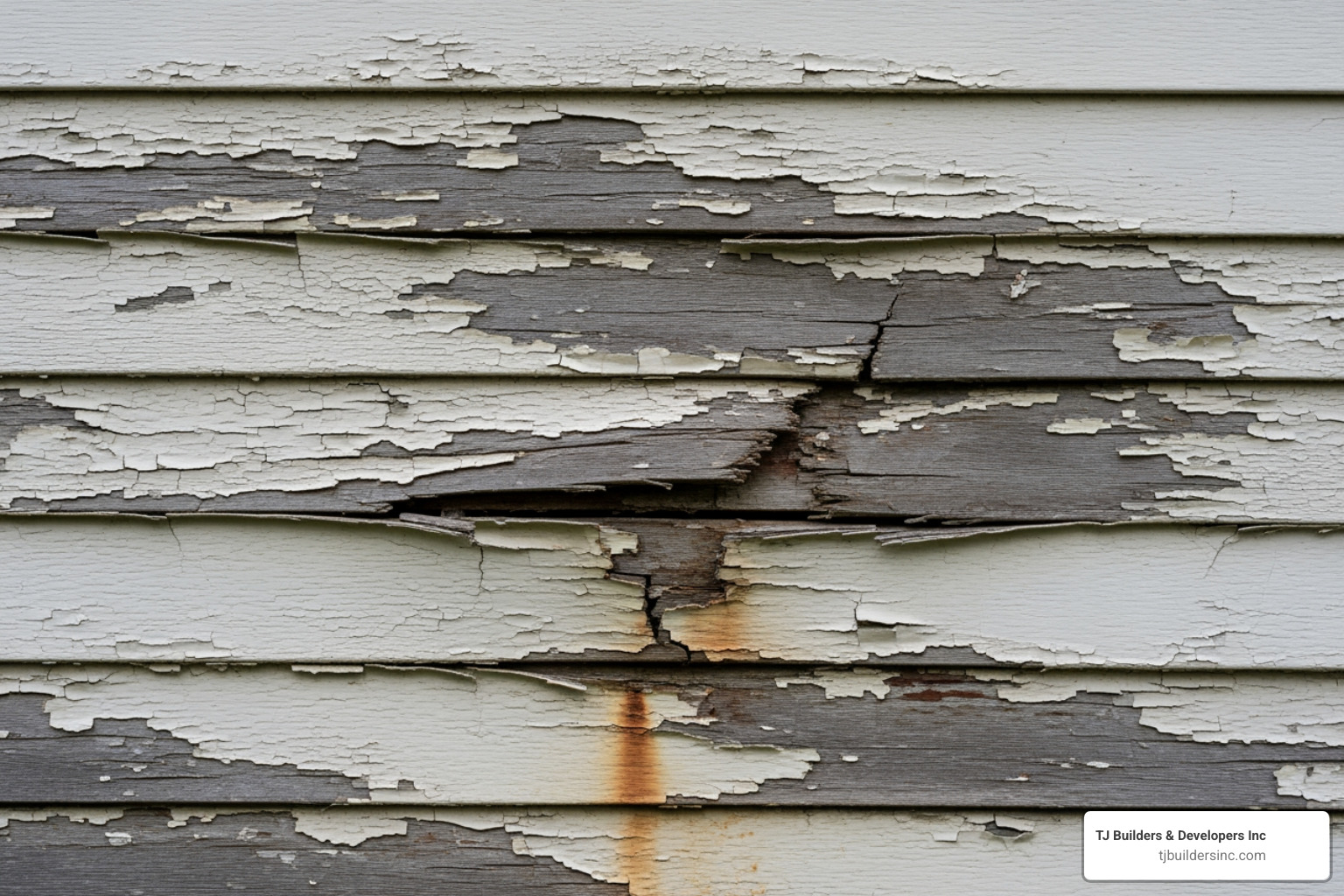
If you observe any of these signs on your home in areas like Rolling Meadows or Bartlett, it’s time to consider a professional assessment.
Need Help With Your Home?
TJ Builders & Developers handles roofing, siding, gutters, windows, home additions, and fire damage restoration for homes and businesses in Lakewood, Crystal Lake, Schaumburg, and nearby McHenry County towns.
- Free, no-obligation estimates
- Licensed & insured
- 20+ years of local experience
A Homeowner’s Guide to the Siding Installation Process
While a rewarding project, exterior siding installation demands precision and expertise. Here’s an overview of the steps professionals take to ensure a durable, weather-tight finish. The nuances of different materials and home architectures require the seasoned eye of an experienced contractor.
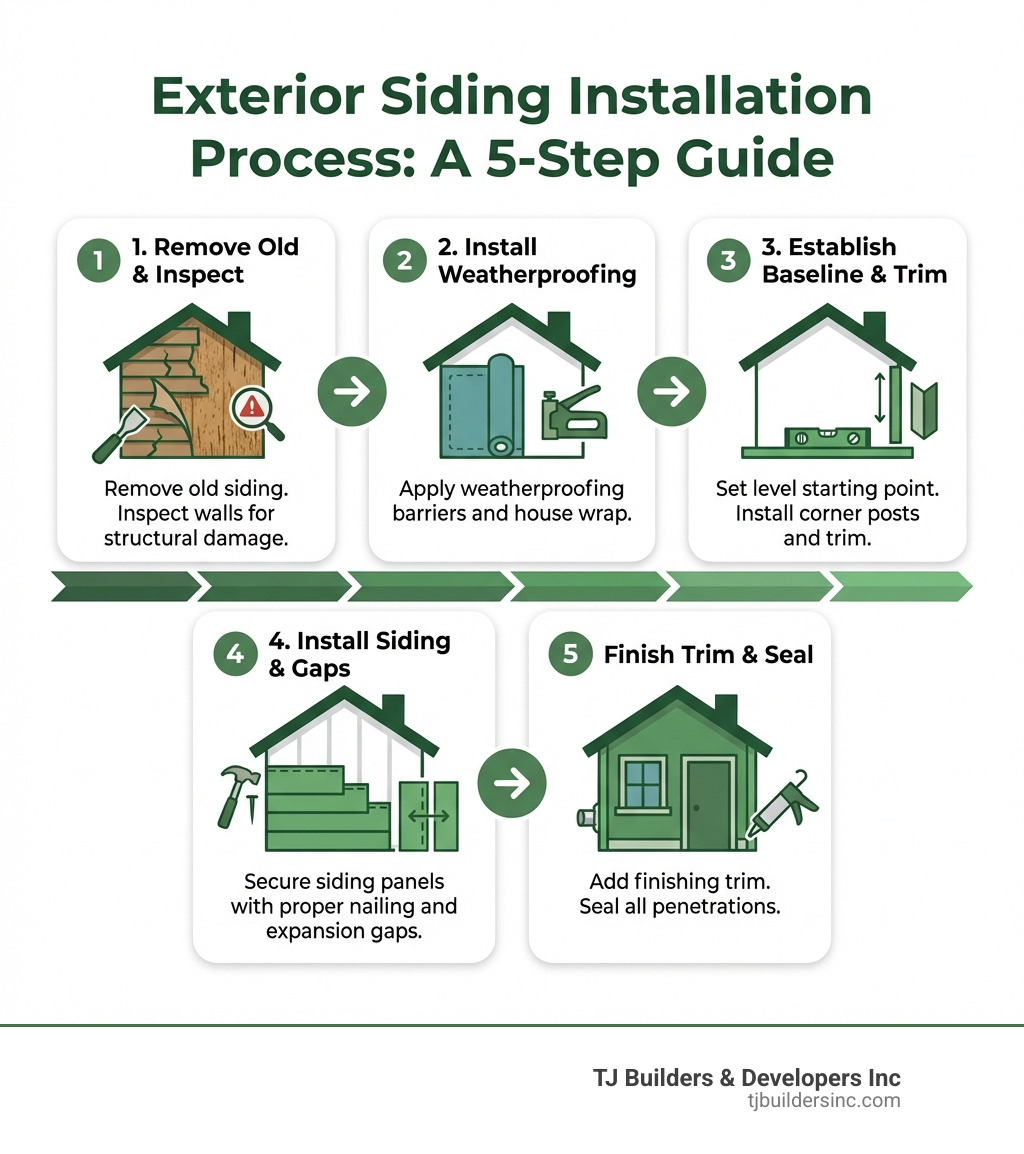
Step 1: Removal and Inspection
The first step is removing the old siding to inspect the home’s underlying structure. This professional assessment is critical for identifying and repairing any hidden damage, such as rotted sheathing or compromised insulation. Addressing these issues creates a sound foundation for the new siding, preventing future problems and ensuring long-term performance.
Step 2: Wall Preparation and Weatherproofing
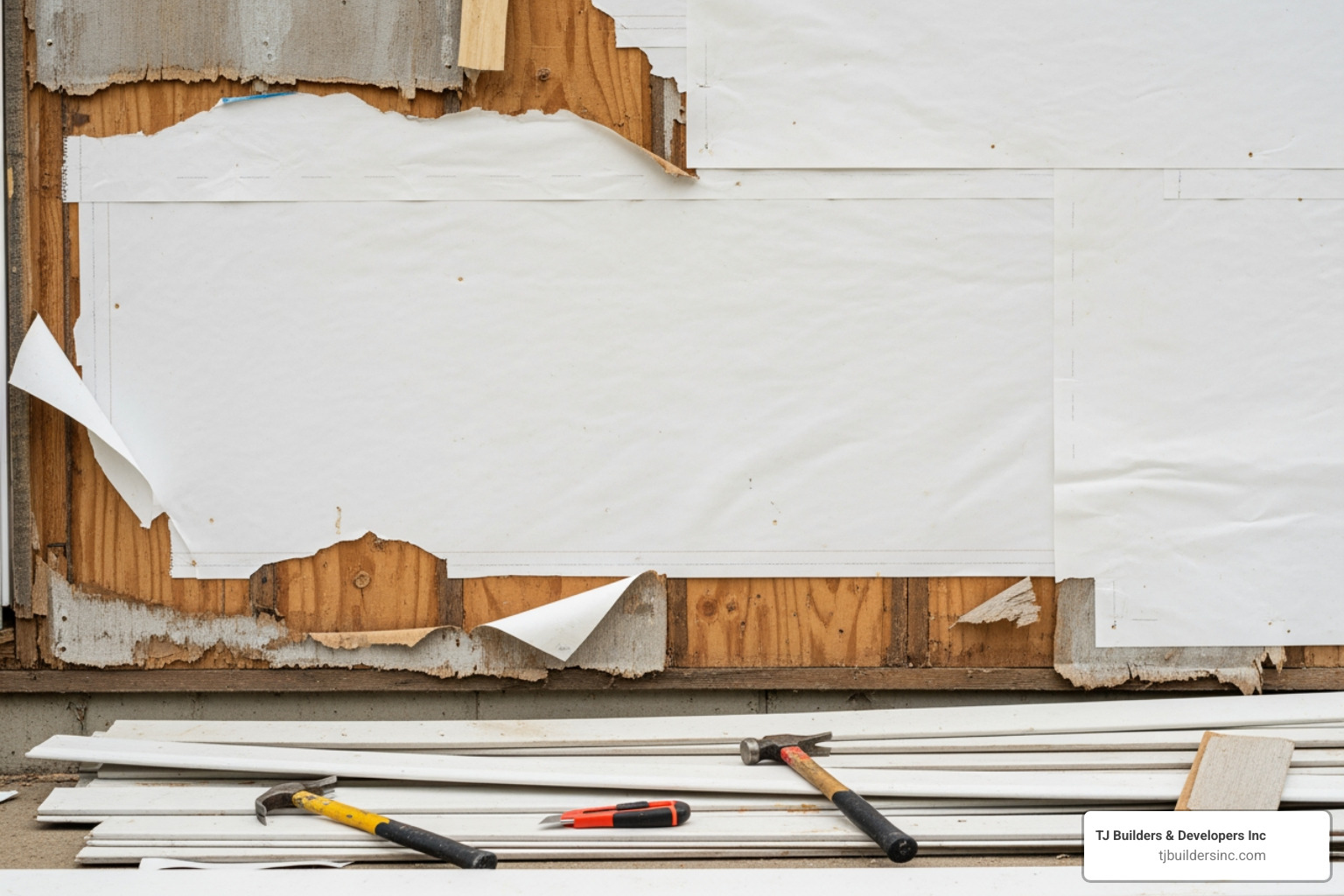
After repairs, the wall is prepared for the new siding. This involves installing a high-quality house wrap or moisture barrier, which acts as a secondary defense against wind and water intrusion—essential for homes in our region. Proper flashing is installed around all windows and doors to direct water away from vulnerable areas. This weatherproofing process improves the durability of your new siding and contributes to your home’s energy efficiency by sealing air leaks. For more on how this integrates with window projects, see our Windows Installation & Replacement services.
Step 3: Layout and Installation of Trim and Starter Strips
With the walls prepped, a precise layout is established. Professionals use a level and chalk line to mark a perfectly level baseline for the first course of siding. A starter strip is installed along this line to support the first panel and ensure all subsequent courses are aligned. Corner posts and J-channel trim are then installed around corners, windows, and doors. This requires meticulous measurement to ensure a clean finish and to allow for the natural expansion and contraction of the siding material. For a visual on some installation aspects, you can View a detailed guide.
Step 4: Installing the Siding Panels
This is where the change takes shape. Panels are cut to size and installed with careful attention to technique.
Nailing Techniques: A critical aspect of exterior siding installation, especially for vinyl, is allowing for thermal movement. Nails are driven through the center of nailing slots but not fully tightened, which lets the siding expand and contract without buckling. Corrosion-resistant fasteners are used to prevent rust and ensure long-term durability.
Overlapping and Finishing: Panels are overlapped by at least one inch to create a seamless, weather-tight barrier. Professionals orient these overlaps away from primary sightlines for a cleaner look. Siding is carefully cut to fit around obstacles and integrated with soffits and fascia, creating a complete protective envelope. Our expertise in roofing ensures this integration is seamless. You can Read our Roof Installation & Replacement: Complete Guide to understand how these systems work together.
Why Professional Exterior Siding Installation is Essential
When considering an exterior siding installation project, the complexities involved often make professional expertise the most prudent choice. For something as vital as your home’s exterior, the benefits of hiring a professional far outweigh the risks of a DIY approach. Our team at TJ Builders & Developers brings over 20 years of experience to every project in Lakewood, Crystal Lake, and the broader Chicago suburbs, ensuring reliable workmanship and long-lasting results.
Here’s why choosing a professional is the smarter investment:
- Guaranteed Workmanship: Professionals offer warranties on their labor, providing peace of mind that the job is done correctly and that any issues will be addressed.
- Proper Tools and Safety Equipment: Siding installation requires specialized tools and safety equipment. Professionals come fully equipped and adhere to strict safety protocols, minimizing risks, especially when working at heights.
- Experience with Building Codes: Our team is well-versed in local building codes in areas like Schaumburg and Elk Grove Village, ensuring your project meets all legal requirements.
- Time and Efficiency: A professional crew can typically finish a residential project in 2-5 days, minimizing disruption to your daily life.
- Material Warranties: Many siding manufacturers’ warranties are only valid when their products are installed by certified professionals, protecting your investment.
- Avoiding Costly Mistakes: Improper installation can lead to moisture intrusion, mold growth, energy loss, and structural damage. These mistakes are far more expensive to fix than the initial cost of professional installation. Our expertise ensures a watertight seal and proper ventilation, safeguarding your home against our harsh Illinois weather.
- Improved Home Value: Professionally installed siding improves curb appeal, improves energy efficiency, and can significantly boost resale value.
At TJ Builders & Developers, we combine our extensive experience with a commitment to quality, offering eco-friendly solutions and focusing on superior results that protect your home for decades.
Need Help With Your Home?
TJ Builders & Developers handles roofing, siding, gutters, windows, home additions, and fire damage restoration for homes and businesses in Lakewood, Crystal Lake, Schaumburg, and nearby McHenry County towns.
- Free, no-obligation estimates
- Licensed & insured
- 20+ years of local experience
Post-Installation: Siding Maintenance and Care
Once your new exterior siding installation is complete, proper maintenance is key to maximizing its lifespan and appearance. While many modern materials are low-maintenance, a little care ensures your siding performs its best against the varied weather conditions in Northern Illinois.
Maintenance for Vinyl Siding
Vinyl is renowned for its low-maintenance qualities. To keep it looking its best:
- Annual Cleaning: Wash annually with a soft brush or a pressure washer on a low setting to remove dirt and mildew.
- Regular Inspection: Periodically check for any loose or cracked panels, especially after severe weather, and address any issues promptly to prevent moisture intrusion.
Maintenance for Wood Siding
Wood siding requires consistent attention to maintain its integrity and beauty.
- Inspect for Rot and Pests: Regularly check for signs of rot, mold, or pest infestation, especially near the ground and around windows.
- Stain and Seal: Adhere to a regular schedule for staining or painting (typically every 3-7 years) to protect the wood from moisture and UV damage.
- Pest Prevention: Seal any gaps or cracks to deter insects and keep foliage trimmed away from the house.
Maintenance for Fiber Cement Siding
Fiber cement, like the products from James Hardie, is celebrated for its durability and minimal upkeep.
- Simple Cleaning: Like vinyl, fiber cement can be cleaned with a garden hose and a soft brush. A mild detergent can be used for stubborn dirt.
- Inspect Caulk Joints: While the siding is durable, the caulk around windows and trim should be inspected every few years. Re-caulking any cracked or dried-out areas is a simple way to maintain a watertight seal.
Conclusion: Ensuring a Successful Siding Project
Siding installation is a significant undertaking that dramatically impacts your home’s protection and curb appeal. While a DIY approach is tempting, the complexity, specialized tools, and risk of improper installation often make professional help the wisest investment. An expert ensures the job is done right, providing peace of mind and a beautiful, long-lasting result. The team at TJ Builders & Developers Inc. has the experience to deliver flawless results for homeowners in Lakewood and surrounding areas.
Ready to Transform Your Home’s Exterior?
Your home deserves the best protection and a stunning appearance, which a professional exterior siding installation can provide. Choosing the right contractor ensures project success and long-term value for your property in Lakewood, Crystal Lake, Schaumburg, or any of our service areas. Our professional expertise means your siding will be installed to the highest standards, designed to withstand the unique challenges of the Northern Illinois climate for decades.
Don’t compromise on the integrity or beauty of your home. We are dedicated to delivering superior craftsmanship, using high-quality materials, and providing exceptional customer service.
Contact us for your Siding Installation & Replacement needs today to discuss your project and receive a personalized consultation. Let us help you protect and improve your home with confidence. You can also Learn more About Us and our commitment to quality and customer satisfaction.