Introduction: What Are Ice Dams and Why Are They a Problem?
Ice dam removal is the process of safely eliminating the ridge of ice that forms at your roof’s edge and prevents melting snow from draining properly. Here’s what you need to know right away:
Quick Action Guide for Ice Dams:
- Immediate relief – Use a roof rake to remove snow from eaves (from the ground)
- Emergency fix – Fill a pantyhose leg with calcium chloride and lay it across the ice dam to create a melt channel
- Active leaks – Aim a box fan at the underside of your roof from the attic to refreeze leaking water temporarily
- Never use – Hammers, chisels, rock salt, or high-pressure washers (they damage your roof)
- Long-term solution – Fix attic insulation and ventilation to prevent future ice dams
As one Minnesota homeowner resource puts it: “Icicles hanging along your home’s eaves may look beautiful, but they spell trouble.”
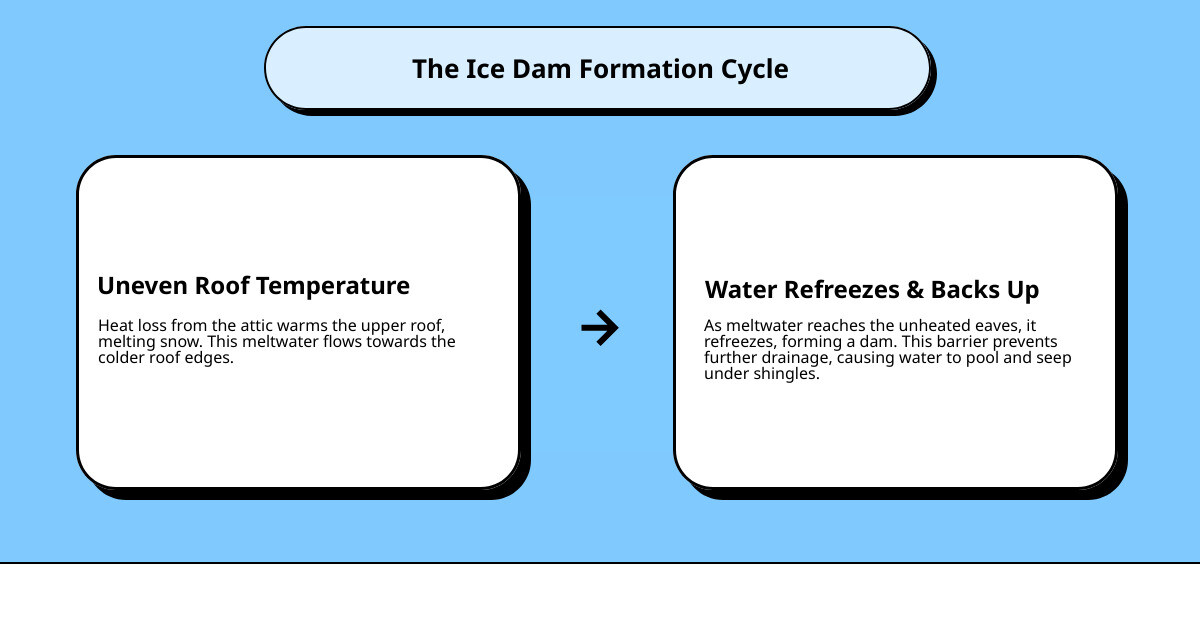
An ice dam forms when heat escaping from your attic melts snow on your roof. The water flows down to the cold eaves where it refreezes, creating a dam. More water backs up behind this ice barrier, and when it has nowhere else to go, it seeps under your shingles and into your home.
The damage can be extensive. Water leaks can ruin ceilings, walls, and insulation. The sheer weight of ice dams can tear off gutters or loosen shingles. Perhaps worst of all, moisture creates the perfect environment for mold growth, which can trigger respiratory problems for your family.
The average professional ice dam removal costs around $1,200, with prices ranging from $400 to $4,000 depending on severity. But here’s the real issue: removing the ice treats the symptom, not the cause. Without addressing heat loss from your attic, ice dams will keep coming back winter after winter.
Need Help With Your Home?
TJ Builders & Developers handles roofing, siding, gutters, windows, home additions, and fire damage restoration for homes and businesses in Lakewood, Crystal Lake, Schaumburg, and nearby McHenry County towns.
- Free, no-obligation estimates
- Licensed & insured
- 20+ years of local experience
The Hidden Dangers of Ice Dams
Ice dams are far more than just an unsightly winter decoration. While those glistening icicles might look picturesque, they are often a clear indicator of a serious underlying issue that can lead to significant and costly damage to your home in Lakewood, Crystal Lake, Schaumburg, and across the Chicago suburbs. When an ice dam forms, it creates a barrier that prevents melting snow from properly draining off your roof. This backed-up water, with nowhere else to go, begins to seep underneath your roof shingles.
Once water penetrates beneath the shingles, it can infiltrate your home’s structure. This leads to a cascade of problems, starting with water damage to your interior. We’ve seen homes with stained floors, damaged insulation, and sagging ceilings due to persistent leaks from ice dams. The moisture can quickly lead to the growth of mold and mildew, which not only causes unpleasant odors but can also trigger respiratory illnesses for your family. If left unaddressed, this moisture can cause rotted roof decking, exterior and interior walls, and even the framing of your home.
The sheer weight of an ice dam is another critical danger. A substantial ice dam can put immense stress on your roof and gutters. This weight can tear off gutters entirely, leading to expensive gutter replacement, or loosen shingles, compromising the integrity of your roof. Wet insulation, a common consequence of ice dam leaks, loses its effectiveness, leading to more heat loss from your attic, which in turn exacerbates the ice dam formation cycle – a frustrating and damaging loop. Neglecting ice dam removal can escalate the danger further, as these dams may also give rise to sharp, lengthy icicles that pose additional risks to anyone below. The accumulated weight of the ice can even endanger smaller structures.
For more information on how to address damage to your roof, please see our page on roof repair.
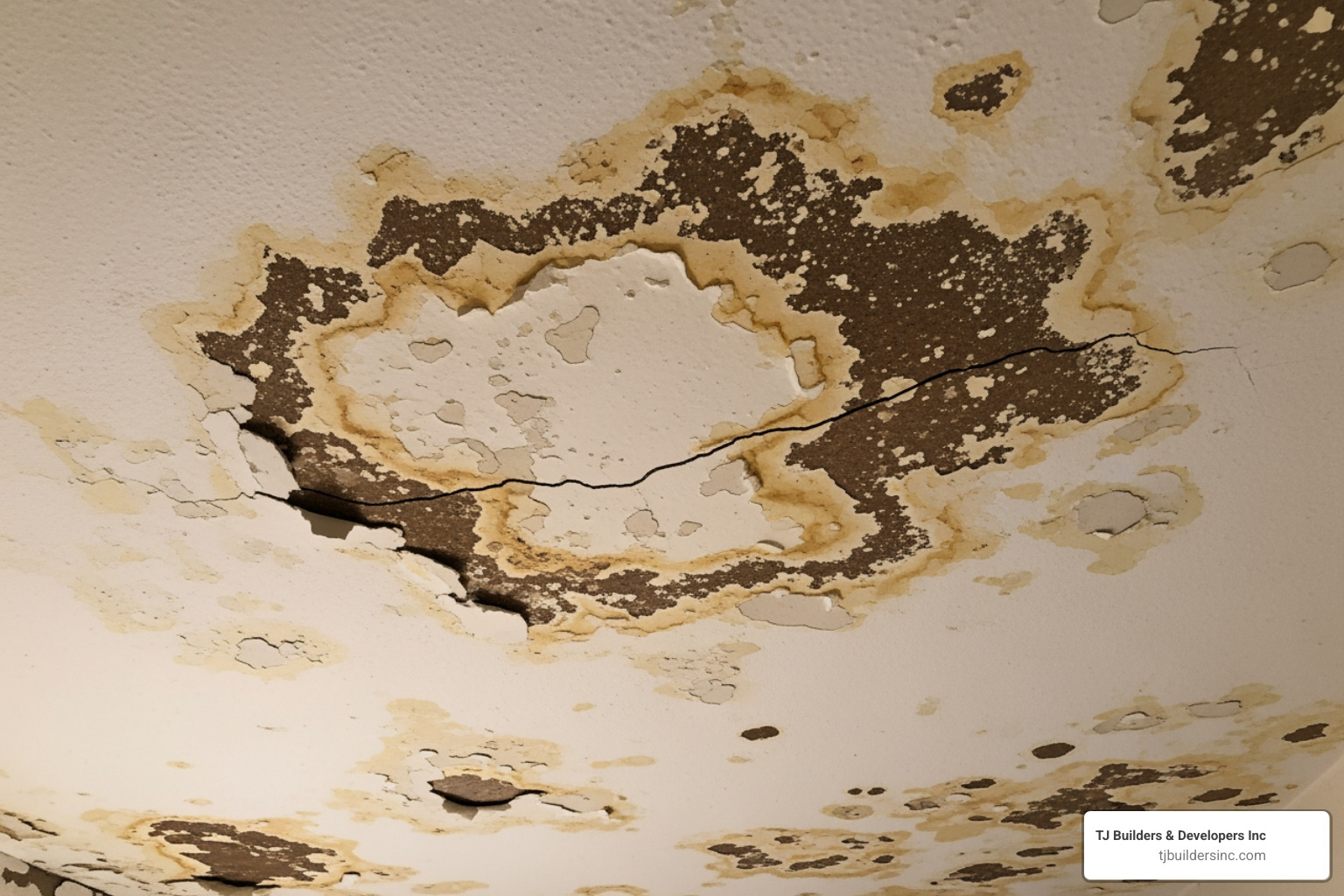
Safe and Effective Ice Dam Removal Methods
When you find an ice dam, especially one that’s causing leaks, your first instinct might be to panic. Don’t worry, we’re here to guide you through the safest and most effective approaches to ice dam removal.
Immediate Steps for Active Leaks
If you’re already experiencing water leaking into your home, taking immediate action can help minimize damage while you prepare for more permanent solutions.
- Box Fan in Attic: This might sound unconventional, but it’s a clever temporary fix. Locate the area in your attic directly above the leak. Take a box fan into the attic and aim it at the underside of the roof where the leak is occurring. The cold air from the fan can refreeze the water that’s actively leaking, temporarily stopping the drip. This buys you precious time to address the ice dam from the outside.
- Catching Drips: While the fan is working, place buckets or tarps to catch any remaining drips. This helps prevent further damage to your floors, walls, and belongings.
- Minimizing Interior Damage: Once the immediate leak is contained, focus on drying out any wet areas inside your home to prevent mold growth. This might involve using dehumidifiers or fans. Don’t repair interior damage until the ceilings and walls are completely dry and the ice dam issue is fully resolved.
DIY Techniques for Safe Ice Dam Removal
For ice dams that aren’t yet causing interior leaks, or as a proactive measure after heavy snowfall, there are a few DIY techniques you can safely employ. However, always prioritize your safety and only attempt these if you can do so from the ground or with proper fall protection.
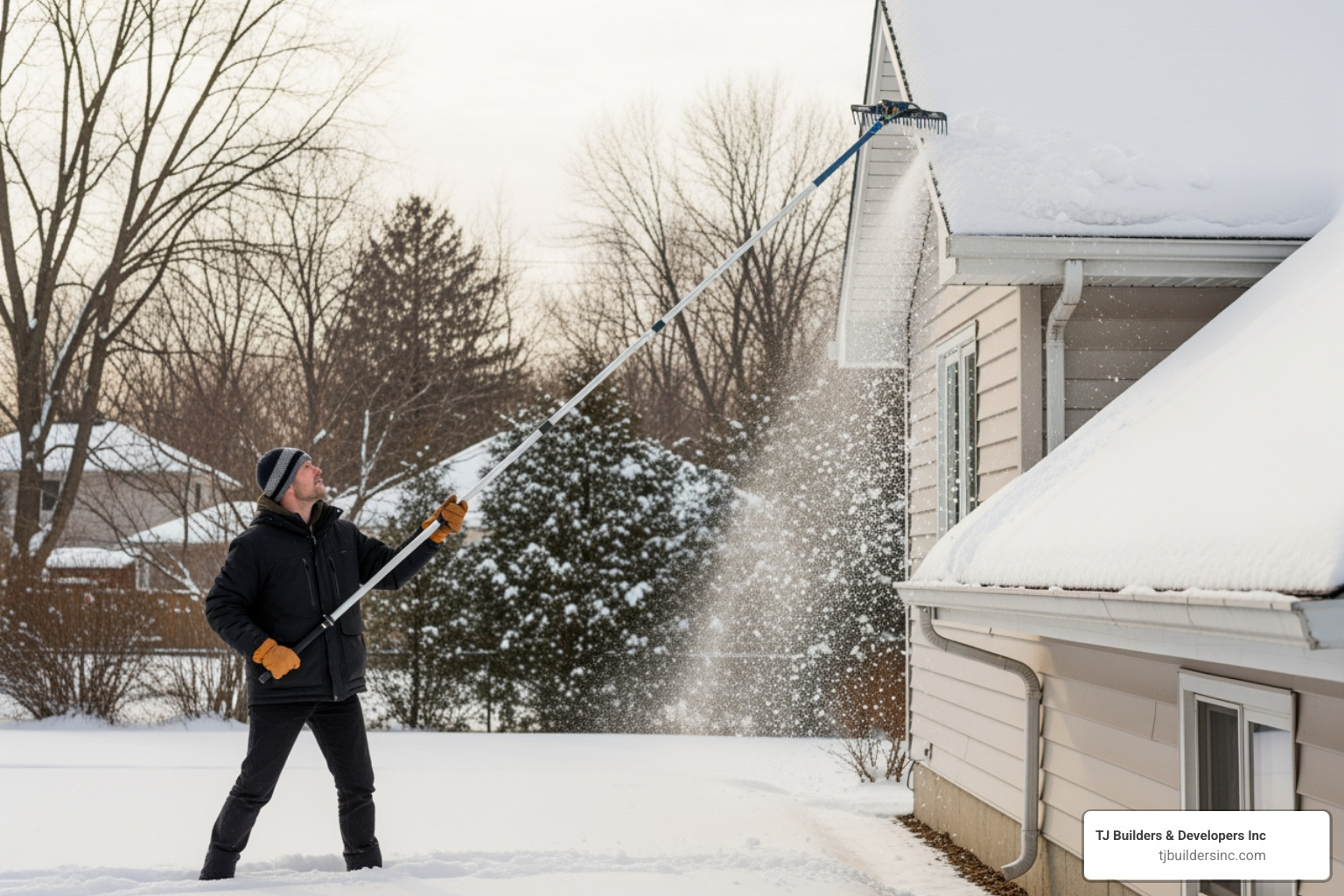
- Roof Rake with Wheels: This is your best friend for DIY snow removal. A long-handled aluminum roof rake with wheels allows you to remove snow from the eaves of your roof while standing safely on the ground. The wheels help prevent damage to your shingles. Aim to remove at least three to four feet of snow from the roof’s edge. Removing this snow can often prevent ice dams from forming or reduce the size of existing ones, as it eliminates the raw material for the dam.
- Calcium Chloride & Pantyhose Method: If you have an existing ice dam, this method can create channels for trapped water to drain. Fill the leg of a discarded pair of pantyhose with calcium chloride ice melter. Lay the hose onto the roof so it crosses the ice dam and overhangs the gutter. The calcium chloride will slowly melt through the ice, creating a channel for the water to flow off your roof. If needed, you can use a long-handled garden rake or hoe to gently push it into place.
- Safety Precautions: Always work from a safe vantage point. Never climb onto a slippery roof covered in ice or snow. If using a ladder, ensure it’s placed on stable, non-slippery ground. Your safety is paramount.
Methods to Avoid at All Costs
While you might be tempted to use aggressive methods to clear an ice dam, certain approaches can cause more harm than good, leading to costly roof repairs or even personal injury. We strongly advise against these methods:
- Blunt Force (Hammers, Chisels, Axes): Never try to chip away at an ice dam with tools like hammers, chisels, or axes. This is incredibly dangerous and almost guaranteed to damage your roof shingles, gutters, and potentially the underlying roof structure. You could easily puncture the roof membrane, leading to even worse water leaks.
- High-Pressure Washers: Using a high-pressure water sprayer, especially with hot water, can blast water underneath your shingles. This can lift and damage the shingles, forcing water directly into your attic and home. The sudden temperature change can also cause brittle shingles to crack.
- Open-Flame Torches: This should go without saying, but never use an open-flame torch to melt ice dams. This is an extreme fire hazard and can severely damage your roofing materials, potentially setting your roof ablaze.
- Rock Salt: While rock salt melts ice on sidewalks, it’s highly corrosive and can damage your roof shingles, gutters, and even the vegetation around your home when it drains off. Stick to calcium chloride for the pantyhose method, as it’s much safer for your roofing materials.
- Damaging Shingles & Voiding Warranty: Many of these aggressive methods can void your roof’s warranty. Manufacturers often specify acceptable methods for maintenance and repair. Using improper tools or chemicals can negate your warranty, leaving you responsible for future repair costs that would otherwise be covered.
Need Help With Your Home?
TJ Builders & Developers handles roofing, siding, gutters, windows, home additions, and fire damage restoration for homes and businesses in Lakewood, Crystal Lake, Schaumburg, and nearby McHenry County towns.
- Free, no-obligation estimates
- Licensed & insured
- 20+ years of local experience
Long-Term Prevention: The Ultimate Solution
While removing existing ice dams is crucial, the real victory lies in preventing them from forming in the first place. This involves addressing the root causes of ice dams, primarily heat loss from your home’s interior into the attic.
The Critical Role of Attic Insulation and Ventilation
The “cold roof principle” is key to preventing ice dams. This means keeping your entire roof, especially the eaves, at the same temperature as the outside air. When your attic is warm, it melts snow on the roof, which then refreezes at the colder eaves, forming an ice dam. The primary culprits for a warm attic are inadequate insulation and air leaks from your heated living space.
- Sealing Air Leaks: Warm air from your home can sneak into your attic through countless small openings. These air leaks are often the major mode of heat transfer that leads to ice dams. We carefully seal these common culprits:
- Attic Hatches: Ensure your attic access points are well-sealed and insulated.
- Vent Pipes: Caulk around plumbing and electrical penetrations.
- Recessed Lighting: Older recessed lights can be significant sources of heat loss. Consider replacing them with sealed, “IC-rated” (insulation contact) fixtures.
- Chimneys: Ensure proper flashing and fire-stop sealant around chimneys to prevent heat transfer.
- Ductwork: Seal and insulate any HVAC or exhaust ducts running through your attic.
- Minimum R-50 Insulation: Inadequate attic insulation is a primary cause of ice dams. We recommend installing attic insulation to a minimum of R-50. This creates a thermal barrier, preventing heat from escaping your living space and warming the underside of your roof. Wet insulation loses its effectiveness, so keeping it dry and adequate is crucial.
- Soffit and Ridge Vents: Proper attic ventilation works in conjunction with insulation to keep your attic cool. Soffit vents (along the eaves) allow cool outside air to enter, while ridge vents (along the peak of the roof) allow warm, moist air to escape. This continuous airflow helps maintain a consistent, cool temperature throughout the attic, reducing the chances of snow melting unevenly on your roof. We ensure that your soffit and ridge vents are balanced, providing at least 1 square foot of opening for every 300 square feet of attic floor, and that baffles are in place at the eaves to maintain clear airflow.
For an even deeper dive into ice dam management and prevention, we recommend exploring resources from the University of Minnesota Extension: Dig deeper into ice dam management & prevention info.
Proactive Strategies to Stop Ice Dams Before They Start
Beyond insulation and ventilation, a few proactive maintenance tasks can significantly reduce your risk of ice dams.
- Regular Gutter Cleaning: While gutters don’t cause ice dams, clogged gutters can exacerbate the problem by trapping water and contributing to ice buildup at the roof’s edge. Ensure your gutters are clean and free of leaves and debris before winter sets in. This allows melted snow to drain freely. For more information on maintaining your gutters, explore our gutter installation & replacement services.
- Installing Heat Cables: For problematic areas on your roof, particularly north-facing planes or where an upper roof drains onto a lower, unheated section, heated de-icing cables can be a preventative measure. These cables are installed in a zigzag pattern along the roof’s edge and in gutters to create melt channels. However, be aware that heating cables can shorten the life of your roof and add to your energy costs, so they are typically considered a solution for specific trouble spots rather than a whole-roof approach.
- Sealing Ductwork: Any heating or exhaust ducts running through your attic should be properly sealed and insulated. Leaky ducts can dump warm air directly into your attic, contributing to the heat buildup that causes ice dams.
- Ensuring Proper Exhaust for Vents: Make sure all kitchen, bathroom, and dryer vents exhaust directly to the outside through a wall or roof, not into the attic or through the soffits. Venting moist, warm air into the attic significantly increases humidity and heat, creating ideal conditions for ice dam formation.
When to Call a Professional for Ice Dam Removal
While some immediate steps and DIY techniques can provide temporary relief, there are many situations where calling a professional for ice dam removal is not just recommended, but essential for safety and effective resolution.
Deciding Between DIY and Professional Help
Knowing when to hang up your roof rake and pick up the phone is crucial. Here are key factors to consider:
- Safety Risks: This is our top priority. If the ice dam is extensive, your roof is steep, or you’re uncomfortable working on ladders in icy conditions, please call us. Trying to remove ice from a slippery roof can lead to serious falls and injury. Ladders placed on ice or snow are incredibly unstable.
- Roof Height and Pitch: Taller homes or roofs with a steep pitch are inherently more dangerous to work on. Professionals have the right equipment and training to safely access these areas.
- Extent of the Ice Dam: A small, localized ice dam might be manageable with the pantyhose method. However, if the ice dam spans a significant portion of your roof or is several inches thick, it’s best left to experts.
- Visible Water Damage Inside: If you’re already seeing water stains, drips, or sagging ceilings, it means water has breached your roof’s integrity. At this point, immediate professional intervention is necessary to prevent further structural damage and potential mold growth. We use specialized techniques like steam ice dam removal to safely create drainage channels and stop leaks without damaging your roof.
Understanding Professional Ice Dam Removal Costs
The cost of professional ice dam removal can vary significantly based on the severity of the ice dam, the size and accessibility of your roof, and the methods used. While an average cost for professional removal is around $1,200, prices can range from $400 to $4,000. It’s an investment, but one that protects your home from far more expensive water damage repairs.
Here’s a general overview of common professional removal methods and their associated costs:
| Method | Hourly Rate | Average Time (Avg. Roof) | Notes
We hope this guide helps you understand the critical steps to protect your home from the damaging effects of ice dams. Prompt action and long-term prevention are your best defense against this winter menace.
TJ Builders & Developers Inc. is your trusted partner for all your roofing and exterior home service needs in Lakewood, Crystal Lake, Schaumburg, and throughout the Chicago suburbs, Illinois. Our experienced team is ready to provide reliable workmanship, competitive pricing, and eco-friendly solutions to ensure your complete satisfaction.
For all your roofing needs, from minor repairs to full replacements, don’t hesitate to reach out to us. We’re here to help you weather any storm and keep your home safe and sound. Contact us for your roofing needs.