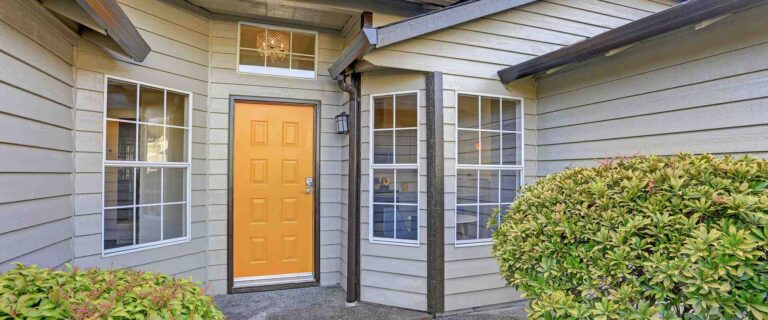
Why Choosing the Right Siding Company Matters for Your Home
Finding siding companies near me starts with knowing what to look for. Here’s what matters most when choosing a contractor:
- Verify credentials: Check licenses, insurance, and local references
- Get multiple estimates: Compare at least 3 written quotes
- Review past work: Ask to see portfolios of completed projects
- Check warranties: Look for both material and workmanship guarantees
- Read reviews: Search multiple platforms for consistent feedback
- Ask key questions: Inquire about timelines, crews, and how they handle unexpected issues
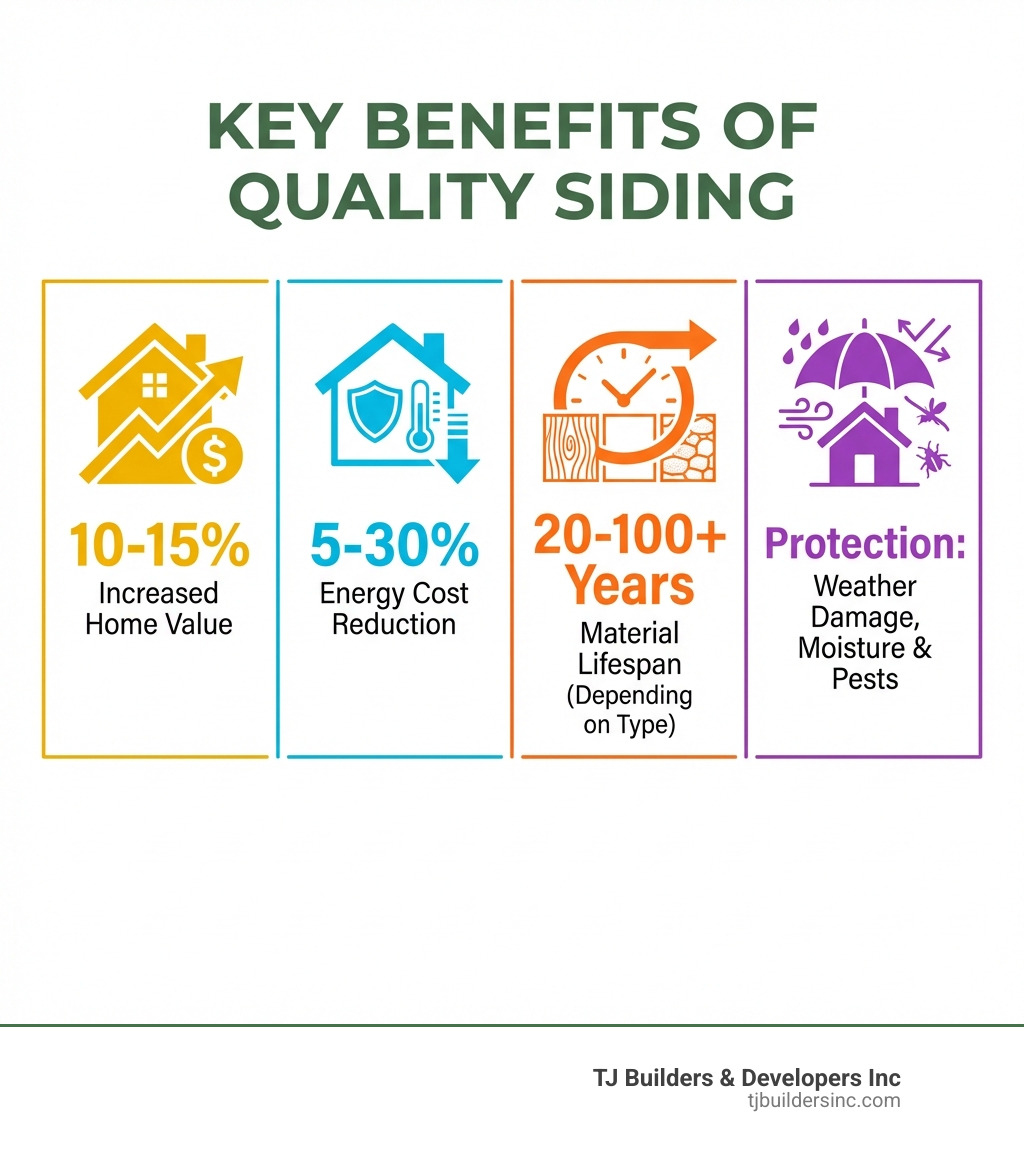
Your siding is your home’s first line of defense against Illinois weather, protecting your investment from moisture, wind, and temperature swings while defining its curb appeal. While quality work can last for decades and improve energy efficiency, poor installation leads to costly water damage and energy loss.
The challenge is that not all siding contractors deliver the same level of craftsmanship. Some use subcontractors, rush inspections, or cut corners on crucial details like house wrap and flashing. Others may lack proper insurance or fail to honor warranty claims.
Finding the right contractor requires more than a quick search. It involves knowing what questions to ask, which red flags to spot, and how to evaluate competing bids beyond just price. The difference between a mediocre job and exceptional work lies in preparation, attention to detail, and a commitment to best practices.
As Thomas Pruszynski from TJ Builders & Developers Inc., I’ve spent over 20 years helping homeowners in Northern Illinois protect and improve their properties through quality exterior work. When evaluating siding companies near me, I always recommend starting with local contractors who understand our region’s unique weather challenges and can show you completed projects in nearby communities like Lakewood, Crystal Lake, and Schaumburg.
Essential siding companies near me terms:
Step 1: Choosing the Right Siding Material for Your Home
Choosing new siding for your home is an exciting decision that can dramatically transform its appearance, improve its protection, and boost its value. But with so many options available, how do you pick the right one? We consider several factors when guiding our clients in Northern Illinois, including aesthetics, budget, climate suitability, maintenance requirements, and even environmental considerations.
Let’s explore some of the most popular siding materials and their characteristics:
| Material Type | Pros | Cons | Avg. Lifespan | Maintenance Level | Illinois Climate Suitability |
|---|---|---|---|---|---|
| Vinyl Siding | Low maintenance, wide range of colors/styles, fade-resistant, durable, easy to install. | Can crack in extreme cold, warp in extreme heat, may look less premium than other options. | 20-40 years | Low | Good. Modern vinyl is much improved. Care must be taken during installation in extreme temperatures to prevent warping/cracking. |
| Fiber Cement | Extremely durable, weather-resistant (wind, hail), fire-resistant, pest-resistant, moisture-resistant, mimics wood/stucco/masonry, excellent for varied climates. | Higher initial cost, requires professional installation, can be heavy. | ~50 years | Moderate | Excellent. Its durability and resistance to moisture, freeze-thaw cycles, and pests make it ideal for our cold winters and fluctuating temperatures. |
| Wood Siding | Natural beauty, classic aesthetic, customizable (paint/stain), good insulation properties. | High maintenance (frequent repainting/restaining), susceptible to rot, pests, and fire. | 20-40 years | High | Requires significant maintenance to withstand Illinois’ moisture and temperature swings. Less common for new installations due to maintenance. |
| Engineered Wood | Mimics natural wood look, impact-resistant, resilient to humidity, freeze-thaw cycles, fungal decay, and termites. Lower maintenance than natural wood. | Can be more expensive than vinyl, may still require painting/caulking. | 20-30 years | Moderate | Good. Offers the aesthetic of wood with improved resistance to common issues in our climate. |
| Stone/Brick Veneer | Extremely durable, long-lasting (100+ years), classic/upscale appearance, virtually no maintenance, fire-resistant. | Highest initial cost, heavy (may require structural reinforcement), limited color/style options. | 100+ years | Very Low | Excellent. Provides superior protection and longevity against all Illinois weather conditions. Often used as an accent. |

Aesthetically, the possibilities are vast. Horizontal lap siding remains a favorite, while smooth or textured panels offer a more contemporary look. Shingles and shakes can create a charming aesthetic, often used to accentuate gables.
Current trends allow for incredible customization. Mixed material combinations, like fiber cement with stone veneer accents, create dynamic exteriors. Bold, dark colors and vertical siding installations are also popular for a modern flair. Many homeowners choose wood-look fiber cement and vinyl options for the aesthetic of natural wood without the high maintenance. There is also a growing demand for sustainable, recycled, and low-maintenance composite materials.
Considering the Illinois climate is paramount. Our cold winters, heavy snow, and significant temperature fluctuations mean that durability and weather resistance are not just preferences but necessities. Fiber cement, engineered wood, and stone/brick veneer are particularly well-suited to handle these conditions, offering superior protection against moisture, pests, and extreme temperatures.
Need Help With Your Home?
TJ Builders & Developers handles roofing, siding, gutters, windows, home additions, and fire damage restoration for homes and businesses in Lakewood, Crystal Lake, Schaumburg, and nearby McHenry County towns.
- Free, no-obligation estimates
- Licensed & insured
- 20+ years of local experience
Step 2: Recognizing the Signs and Planning Your Project
Knowing when to replace your siding versus simply repairing it can save you money and prevent larger problems down the line. We often advise our clients to look for these common indicators that it might be time for a full siding replacement:
- Warping, Buckling, or Cracking: If your siding is no longer lying flat against your home, it indicates structural issues or extreme weather damage.
- Rot or Deterioration: Especially common with wood siding, rot can compromise your home’s structural integrity and invite pests.
- Frequent Repainting: If you find yourself repainting every 3-4 years, it might be more cost-effective to replace the siding with a lower-maintenance material.
- Rising Energy Bills: Damaged or ineffective siding can lead to significant heat loss in winter and heat gain in summer, causing your HVAC system to work harder.
- Interior Wall Damage or Wallpaper Peeling: These can be signs of moisture infiltration through compromised exterior siding.
- Mold or Mildew Growth: While surface mold can be cleaned, persistent or widespread growth can indicate moisture trapped beneath the siding.
- Loose or Missing Sections: Even small missing pieces can expose your home to the elements, leading to further damage.
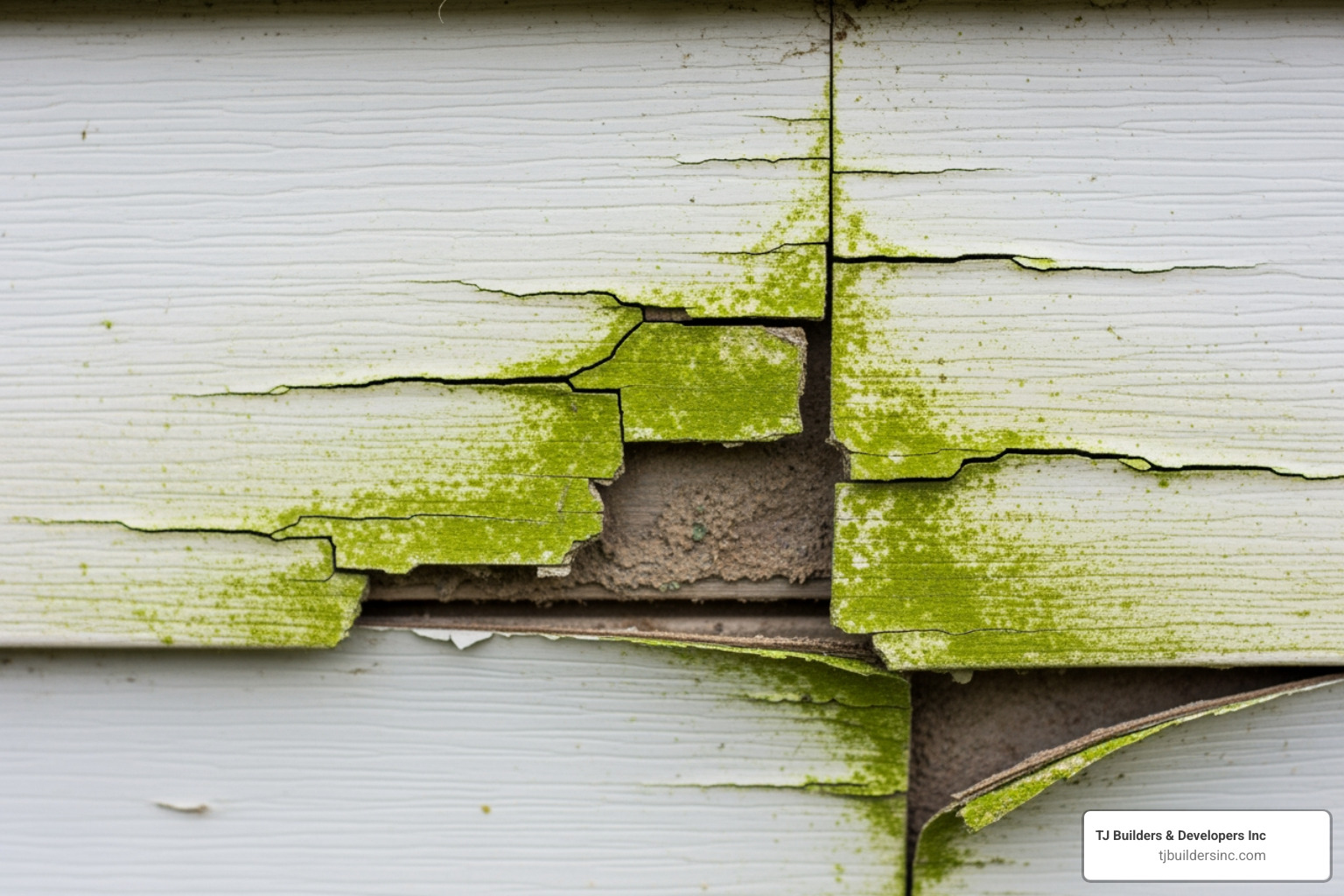
When you notice any of these signs, it’s time to start planning your project. The cost of siding installation can vary widely, but understanding the factors that influence it will help you budget effectively. The primary cost factors include:
- Home Size: Larger homes naturally require more materials and labor.
- Material Choice: Material choice is a significant factor; vinyl is a cost-effective option, while fiber cement and wood are in the mid-range, and brick or stone veneer represent a higher initial investment.
- Labor Costs: This accounts for the expertise and time of skilled installers.
- Permit Fees: Local building codes in places like Lakewood, Crystal Lake, and other Northern Illinois suburbs require permits for major exterior renovations, which add to the overall cost.
- Hidden Damage Repair: Often, when old siding is removed, we uncover hidden issues like rot, mold, or structural damage that must be addressed before new siding can be installed. This is why a thorough inspection during the quoting phase is crucial.
The typical lifespan of different siding materials also plays a significant role in your long-term investment. Vinyl, aluminum, and wood siding typically last 20 to 40 years. Fiber cement siding often lasts around 50 years, while brick or stone veneer can last 100+ years. To maximize this lifespan and protect your investment, regular maintenance is key:
- Annual Inspections: Look for any signs of damage, loose panels, or compromised caulk.
- Regular Cleaning: Power washing (with appropriate pressure for your siding type) can remove dirt, grime, and prevent mold/mildew buildup.
- Prompt Repairs: Address small issues like cracks or loose panels immediately to prevent them from escalating.
- Caulk Inspection: Check caulking around windows and doors annually and replace it as needed to maintain a watertight seal.
- Clear Gutters and Downspouts: Ensure these are free of debris to direct water away from your home’s foundation and siding.
Beyond protection, new siding contributes to your home’s energy efficiency and value. Quality siding acts as a thermal barrier, and when combined with proper insulation, it can improve energy performance. This, coupled with improved curb appeal, can also increase your home’s value.
Finally, we always ensure that any siding project we undertake in the Chicago suburbs adheres strictly to local building codes and regulations. These codes are in place to ensure safety, structural integrity, and durability, and they affect both material choices and installation methods. We handle all necessary permitting processes, so you don’t have to worry about compliance.
How to Find and Vet Siding Companies in Your Area
Finding a reliable siding contractor can feel daunting, but a structured approach helps you identify reputable professionals. We recommend combining online research with trusted local recommendations.
Where to Begin Your Search:
- Online Directories: Platforms like Houzz, Angi, and the Better Business Bureau (BBB) are excellent resources. They list local contractors and often include customer reviews, ratings, and portfolio photos.
- Search Engines: A simple Google search for “siding contractors [your specific town, e.g., Lakewood, IL]” or “siding companies Crystal Lake” will yield local results. Pay attention to companies with strong review profiles.
- Word-of-Mouth and Local Recommendations: Ask friends, family, or neighbors for their experiences. Personal referrals are invaluable, as they come with accounts of a contractor’s reliability and quality of work.
Once you have a list of potential siding companies near me, the vetting process is crucial for separating the professionals from the rest.
Our Vetting Checklist for Homeowners:
- Check Licenses and Verify Insurance: This is non-negotiable. Ensure the contractor is properly licensed (if required by your municipality) and carries comprehensive insurance, including liability and workers’ compensation. Always ask for proof.
- Review Portfolios and Past Work: A reputable contractor will have a portfolio of completed projects. This helps you gauge their craftsmanship and aesthetic capabilities.
- Read Online Reviews Thoroughly: Look for patterns in reviews across multiple platforms. While a single negative review isn’t a red flag, consistent complaints about communication or quality are.
- Ask for Local References: Speak directly with previous clients, especially those in your area. Ask about their overall experience, adherence to timelines, and how the contractor handled any unexpected issues.
- Get Multiple Written Estimates: We recommend getting at least three detailed, written estimates. Don’t just compare the bottom line; compare the proposed materials, scope of work, and timeline.
Key Questions to Ask Potential Siding Contractors
When you’re ready to speak with potential siding companies near me, asking the right questions is vital to assess their experience and professionalism:
- What warranty do you offer on materials and workmanship? A reputable contractor will provide a clear warranty on both. We believe in standing behind our work and ensuring your peace of mind.
- What is the estimated project timeline? This helps manage your expectations and coordinate your schedule.
- Who will be working on my project, and are they employees or subcontractors? Understanding the crew’s composition affects accountability.
- Can you provide proof of liability and workers’ compensation insurance? This is essential for your protection.
- What is your payment schedule? A reasonable down payment is typical, but never pay 100% upfront.
- How do you handle unexpected issues like hidden rot or structural damage? A professional will have a clear process for communicating and addressing these surprises.
- Do you provide a detailed, itemized estimate that clearly breaks down all costs? Transparency is key to avoiding hidden fees.
- How will you protect my property and manage site cleanup? A thoughtful contractor will take measures to minimize disruption and damage.
Understanding Warranties and Spotting Red Flags
Warranties are your safety net. Always inquire about two types:
- Material Warranty: This is provided by the siding manufacturer and covers defects in the siding material itself.
- Workmanship Warranty: This is provided by the contractor and covers the quality of the installation. A strong workmanship warranty is a sign of a confident and reliable contractor.
While searching for siding companies near me, be vigilant for red flags that can indicate an unreliable contractor:
- High-Pressure Sales Tactics: Reputable professionals allow you time to make an informed decision.
- Vague Estimates: A proposal that lacks detail about materials, labor, and specific tasks is a red flag.
- Requests for Full Upfront Payment: This is a major warning sign.
- No Physical Address or Professional Online Presence: A complete lack of a physical location or a professional website can be suspicious.
- Unusually Low Bids: A quote significantly lower than others might indicate shortcuts in materials, labor, or insurance.
- Lack of References or Portfolio: If a contractor can’t or won’t provide these, look elsewhere.
Need Help With Your Home?
TJ Builders & Developers handles roofing, siding, gutters, windows, home additions, and fire damage restoration for homes and businesses in Lakewood, Crystal Lake, Schaumburg, and nearby McHenry County towns.
- Free, no-obligation estimates
- Licensed & insured
- 20+ years of local experience
Step 4: The Professional Installation Process and What to Expect
Once you’ve chosen a trusted partner from the siding companies near me, understanding the installation process can help you feel more prepared and confident. A professional siding installation follows a systematic approach to ensure durability, efficiency, and aesthetic appeal.
Our Typical Project Flow:
- Initial Consultation and Design: We start with an in-depth discussion about your needs, material preferences, and design vision. This often includes reviewing samples and providing visual renderings to help you envision the final look.
- Material Delivery and Site Preparation: Before installation begins, materials are delivered, and our team prepares the work area. This involves protecting your landscaping, driveways, and any existing structures.
- Old Siding Removal: The existing siding is carefully removed. This process can take several days, depending on the size of your home and the type of old siding.
- Sheathing Inspection and Repair: This is a critical step. Once the old siding is off, we inspect the underlying sheathing for any signs of rot, mold, or structural damage. Any issues found are repaired to ensure a sound foundation for your new siding.
- House Wrap and Insulation: A high-quality house wrap is applied to create a crucial moisture barrier. We may also recommend adding strapping (to create an air gap for ventilation) or exterior insulation to improve energy efficiency and prolong the siding’s lifespan.
- Flashing Installation: Proper flashing around windows, doors, and other penetrations is essential to prevent water intrusion. This detail makes a huge difference in the long-term protection of your home.
- Siding Installation: Our factory-trained and certified installers carefully install your chosen siding material. This phase typically takes 7 to 10 days, though additional time may be needed for intricate trim or soffit installation.
- Final Walkthrough and Cleanup: Once installation is complete, we conduct a thorough final walkthrough with you to ensure every detail meets your satisfaction. We then perform a comprehensive cleanup, leaving your property spotless.
For a deeper dive into our specific approach, you can learn more about our Siding Installation & Replacement services.
Professional Installation vs. DIY:
While some minor home repairs can be DIY projects, siding installation is a complex task that demands professional expertise. The benefits of hiring professionals like us far outweigh the risks of a DIY attempt:
- Safety: Our crews are trained in safety protocols and use appropriate equipment.
- Proper Tools and Equipment: Professionals have access to specialized tools that ensure precise, efficient installation.
- Efficiency: Our experienced teams can complete the project much faster than a homeowner, minimizing disruption.
- Quality Craftsmanship: We ensure all siding is installed according to manufacturer specifications and local building codes.
- Warranty Protection: Professional installation is often required to validate manufacturer warranties. Our workmanship warranty provides additional peace of mind.
Signs of Poor Siding Installation:
Unfortunately, not all siding companies near me deliver professional results. Knowing what to look for can help you identify a subpar job:
- Improper Nailing: Siding that is nailed too tightly can buckle or warp.
- Poor Caulking: Gaps around windows, doors, and seams invite moisture infiltration.
- Uneven Lines or Wavy Appearance: Siding should run straight and true.
- Missing or Improperly Installed Flashing: This is a major red flag for directing water away from vulnerable areas.
- Gaps at Seams or Corners: These allow water, insects, and air to penetrate.
- Lack of House Wrap or Moisture Barrier: Your home is vulnerable to moisture without this protective layer.
Frequently Asked Questions about Siding Projects
How do I choose between siding contractors in my area?
Choosing the right contractor involves comparing at least three detailed, written estimates. Look beyond price to the scope of work, materials, and warranties. Review portfolios, check local references, and verify credentials like licenses and insurance. Choose a contractor from the many siding companies near me who communicates clearly and inspires confidence.
What is the best season to install new siding in Illinois?
In the Chicago suburbs, including Lakewood and Crystal Lake, spring and fall are ideal for siding installation. The mild weather is optimal for materials to install and settle correctly. However, experienced siding companies near me can work year-round by adjusting their techniques for the conditions, though winter installations may present more challenges.
Will my homeowner’s insurance cover siding replacement?
Homeowner’s insurance typically covers siding replacement if the damage is caused by a “covered peril,” such as a severe storm (hail, wind), fire, or vandalism. For example, if a hailstorm in Crystal Lake damages your siding, your policy would likely cover the replacement. However, insurance generally does not cover damage from normal wear and tear, gradual deterioration, or neglect. If your siding is simply old or faded, that’s usually considered a maintenance issue. It’s always best to review your specific policy or contact your insurance provider to understand your coverage. For more information about our restoration services, including handling insurance claims, visit our More info about our restoration services page.
Conclusion: Protecting Your Investment with the Right Partner
Choosing the right siding and contractor are significant decisions that impact your home’s protection, efficiency, and curb appeal for decades. This guide has covered material choices, signs of replacement, the professional installation process, and how to vet potential siding companies near me.
The key takeaways are clear: thoughtful material choice, meticulous planning, thorough contractor vetting, and a commitment to professional installation are paramount to realizing the long-term value of your investment. For homeowners in Lakewood, Crystal Lake, and surrounding Northern Illinois suburbs, working with an experienced, local contractor like TJ Builders & Developers Inc. ensures quality workmanship and peace of mind. We understand the unique challenges our climate presents and are dedicated to providing durable solutions that protect your home for years to come.
Ready to upgrade your home’s exterior? Learn more about our Siding Installation & Replacement services.