Why the Expanded Cape Cod House Remains a New England Classic
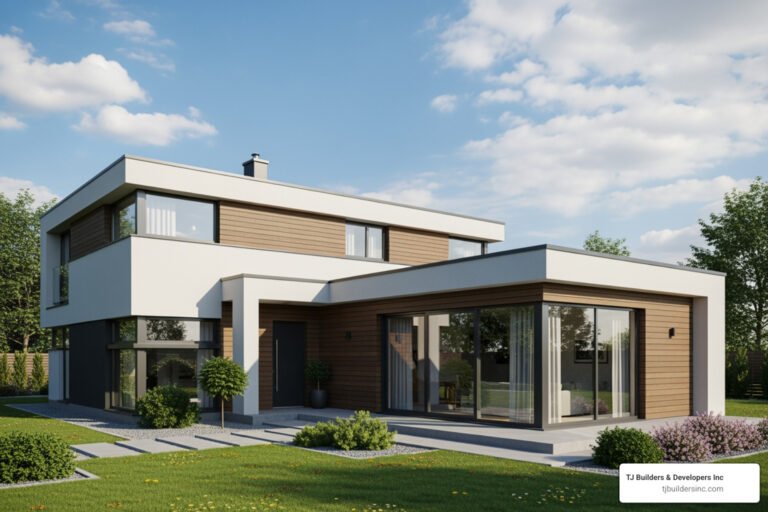
An expanded cape cod house offers the perfect solution for homeowners who love their home’s traditional charm but need more living space for modern family life. Most expansions focus on adding square footage through rear additions (200-600 sq ft), second-story builds that can nearly double your space, or strategic dormers that increase headroom and usable area without changing your home’s footprint.
Top expansion options include:
- Rear additions – Extend kitchens or create family rooms while preserving the iconic front facade
- Second-story additions – Add 800+ square feet and master suites by building up instead of out
- Shed or Nantucket dormers – Gain headroom and natural light in cramped upstairs bedrooms
- Interior reconfigurations – Open up walls, vault ceilings, or finish basements to maximize existing space
- Side additions – Expand living areas on wider lots without compromising symmetry
With its symmetrical exterior, centrally-located chimney, and weathered shingles, it’s no surprise the Cape Cod style has been a favorite among New England homeowners for centuries. These homes were originally designed as starter houses in the 1600s, with plans for additions built into their DNA. But that same compact design that made them affordable and cozy now presents real challenges for growing families who need home offices, open kitchens, and master suites.
The traditional layout often includes a center staircase with minimal entry space, separate cramped rooms, low ceilings, and small upstairs bedrooms with sloped rooflines. Many Cape Cods built between 1920 and 1960 also sit on shallow foundations and contain outdated electrical and HVAC systems that must be modernized during any expansion.
The good news? Cape Cod homes are remarkably flexible for expansion. The steep roof pitch creates attic space ready for conversion. The simple rectangular footprint allows for rear or side additions that don’t disrupt the home’s character. And smart interior changes can create open, spacious living areas without adding a single square foot to the exterior.
The biggest challenges center on maintaining the home’s architectural integrity. Preserving that classic symmetry, matching rooflines and materials, navigating shallow foundations, and working within zoning restrictions all require careful planning. Historic preservation rules in many New England towns add another layer of complexity.
I’m Thomas Pruszynski, and over the past 20 years at TJ Builders & Developers, I’ve helped dozens of homeowners transform their Cape Cod homes through carefully designed additions that respect the original architecture while meeting modern needs. Whether you’re looking to add an expanded cape cod house wing or simply reconfigure your existing layout, understanding your options is the first step toward creating the home you need.
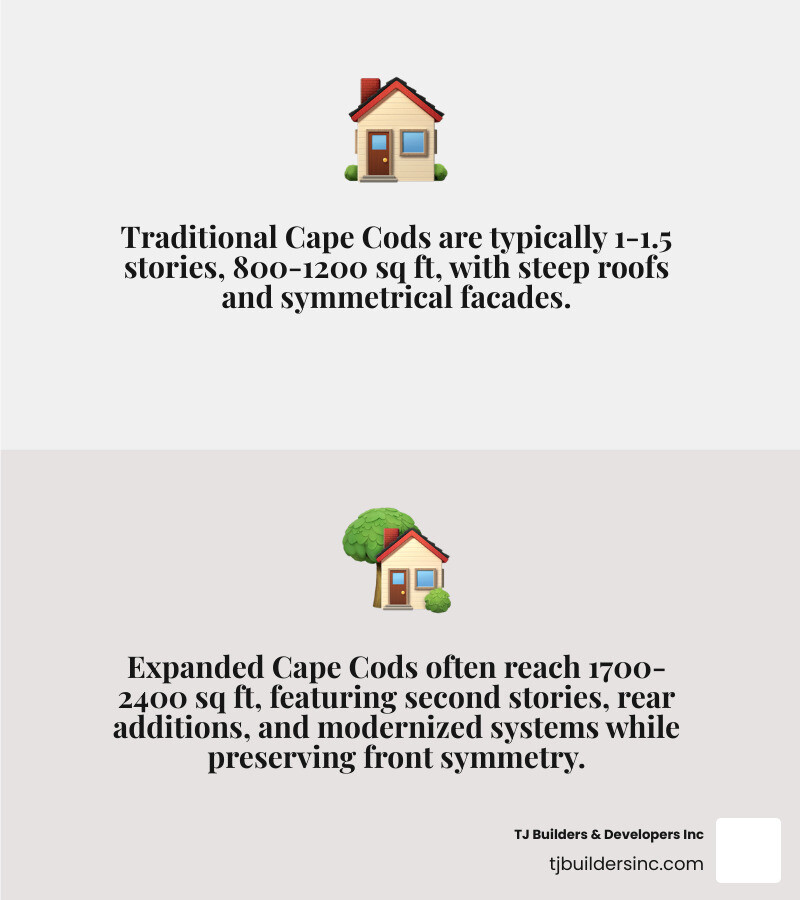
Expanded cape cod house terms to know:
The Cape Cod Conundrum: Why Expansion Can Be Tricky
The Cape Cod home, with its undeniable charm and timeless design, holds a special place in American architectural history. Originating in the 1600s, these homes were conceived as practical, affordable shelters, particularly popular between 1920 and 1960. Their appeal lies in their simplicity, symmetrical facade, and cozy feel. However, these very characteristics, while endearing, often present unique challenges when homeowners seek to create an expanded Cape Cod house for modern living.
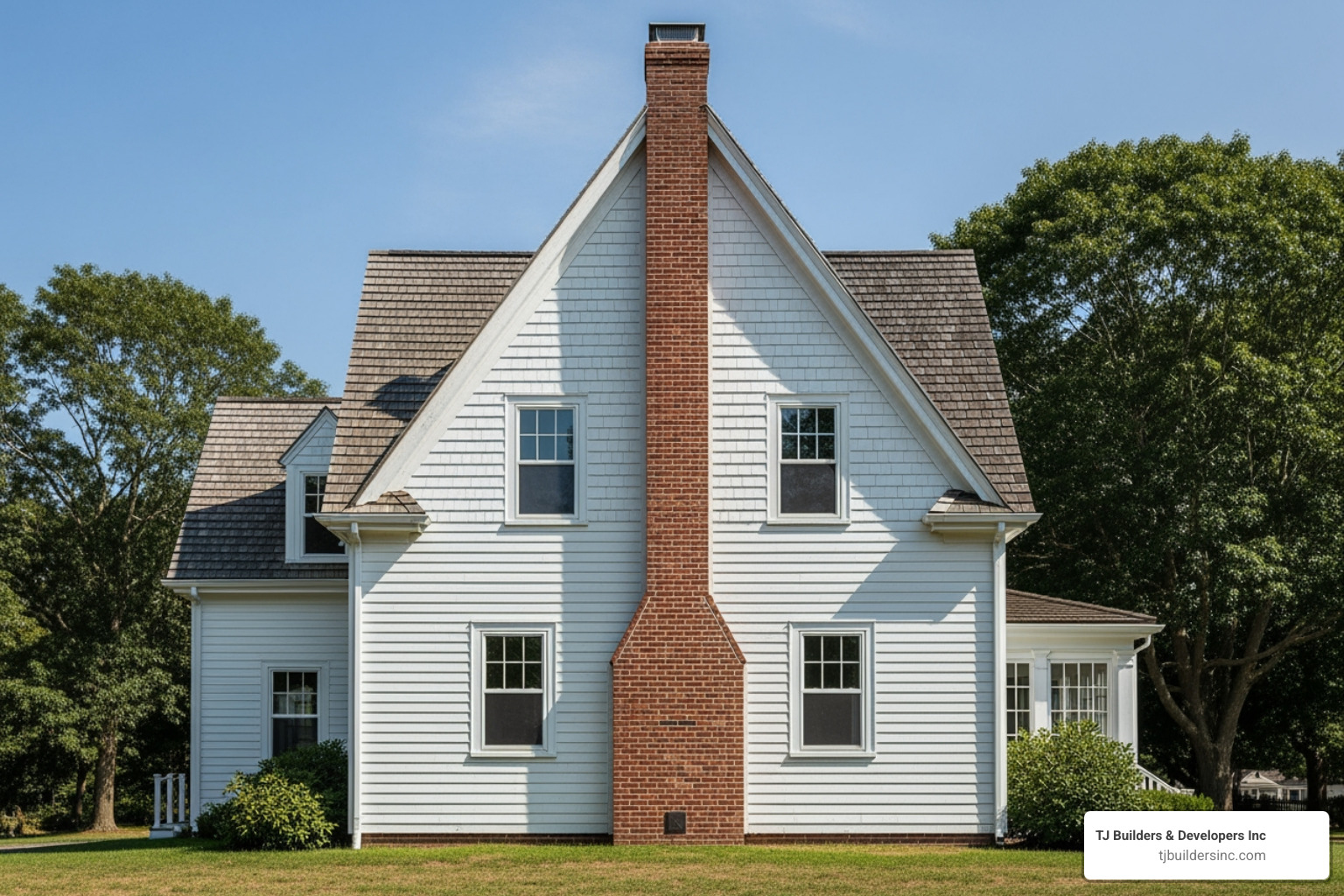
One of the most defining characteristics that makes expansion challenging is the steep roof pitch. While aesthetically pleasing and functional for shedding snow (a feature well-suited for our Illinois winters), this steep pitch often leads to small, sloped-ceiling bedrooms on the upper floor. These spaces, while quaint, can feel restrictive and offer limited headroom, making them difficult to furnish or convert into spacious master suites.
The symmetrical facade is another hallmark of the Cape Cod. This visual balance is a key part of its appeal, but it means any addition must be carefully planned to avoid disrupting this harmony. A poorly executed addition can make the home look unbalanced or tacked-on, diminishing its curb appeal and value. Our goal at TJ Builders & Developers is always to ensure any expansion feels like a natural evolution, not a jarring departure.
Inside, traditional Cape Cods often feature low ceilings, which were an early form of energy efficiency, designed to reduce heating costs. While this creates a cozy atmosphere, it can also make rooms feel smaller and more confined, especially to contemporary tastes that favor open, airy spaces. Expanding vertically or even creating vaulted ceilings within the existing footprint requires careful structural planning.
The small original footprint of many Cape Cods means that horizontal expansion often becomes necessary. These homes were designed as “starter houses,” often with the intention that additions would be made later. This foresight is a blessing, but it still requires thoughtful design to integrate new spaces seamlessly.
The typical center staircase layout with little to no space at the front entry can also pose a challenge. Modern homes often prioritize grander entryways and open-concept living. Reconfiguring this central element to improve flow without compromising structural integrity or the home’s character demands expertise.
Finally, many older Cape Cods sit on shallow foundations and may have outdated systems. Expanding an older home means addressing these underlying issues. A new addition will require a new foundation, which can be a significant undertaking, sometimes costing twice as much per square foot as remodeling existing space due to excavation, soil testing, and construction. Furthermore, older electrical, plumbing, and HVAC systems often need upgrading to support the increased load of new living spaces and to meet current building codes. Integrating modern systems into an older frame requires careful planning to ensure long-term efficiency and comfort.
These inherent characteristics mean that changing a traditional Cape Cod into an expanded Cape Cod house requires more than just adding square footage; it demands a deep understanding of architectural integrity, structural engineering, and modern living needs.
Need Help With Your Home?
TJ Builders & Developers handles roofing, siding, gutters, windows, home additions, and fire damage restoration for homes and businesses in Lakewood, Crystal Lake, Schaumburg, and nearby McHenry County towns.
- Free, no-obligation estimates
- Licensed & insured
- 20+ years of local experience
Maximizing Your Cape: Smart Ways to Add Space
Homeowners often find themselves at a crossroads: they love the charm of their Cape Cod home, but it no longer meets their family’s needs for space and functionality. Fortunately, the Cape Cod style is surprisingly adaptable, offering numerous avenues to create an expanded Cape Cod house that blends classic appeal with modern comfort. We specialize in helping families in the Chicago suburbs, including Lakewood, Crystal Lake, and Schaumburg, open up the full potential of their homes.
Going Up: Second-Story Additions and Dormers
One of the most impactful ways to expand a Cape Cod is to build vertically. This approach allows us to nearly double your square footage without significantly increasing your home’s footprint, a crucial consideration for properties with limited lot sizes.
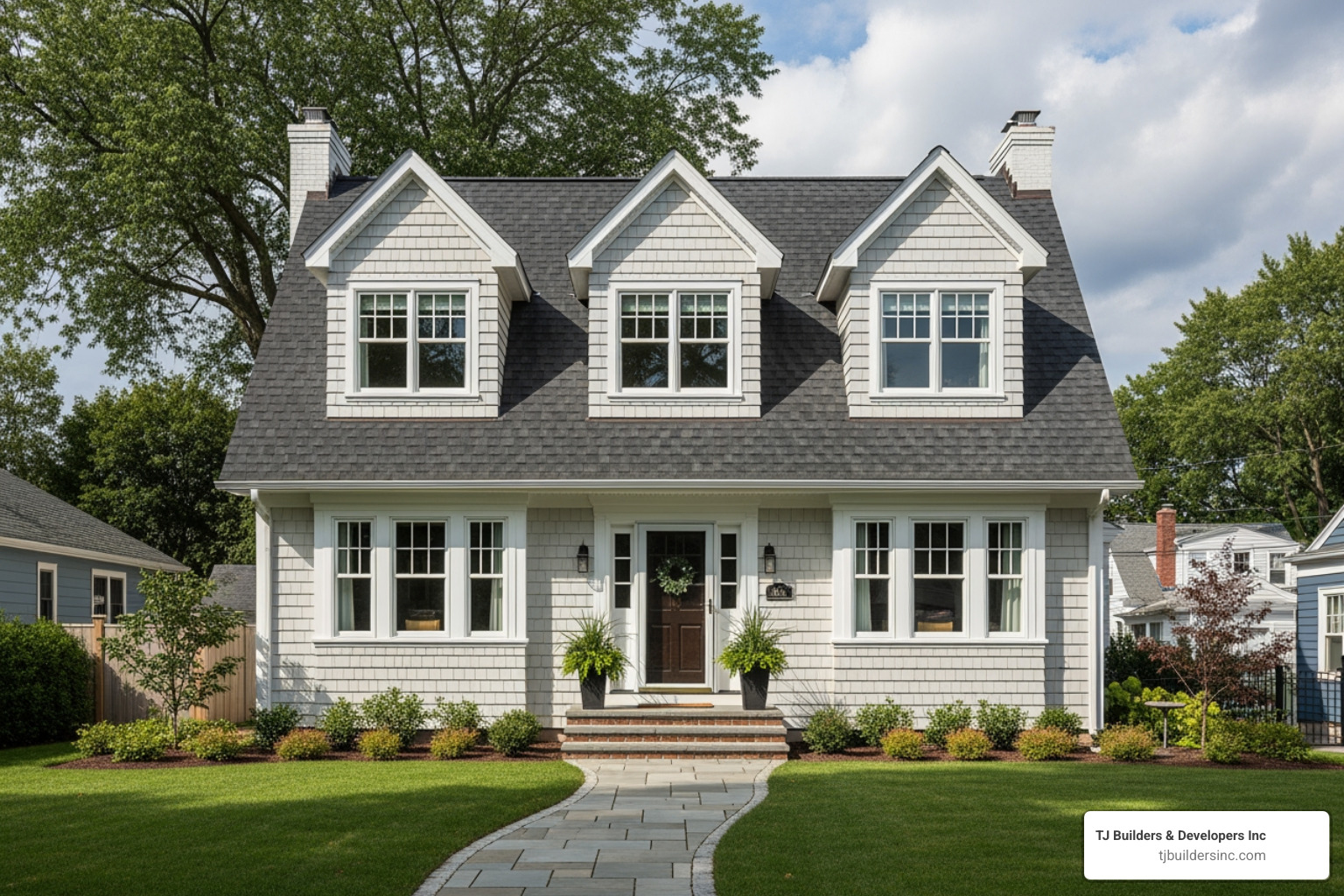
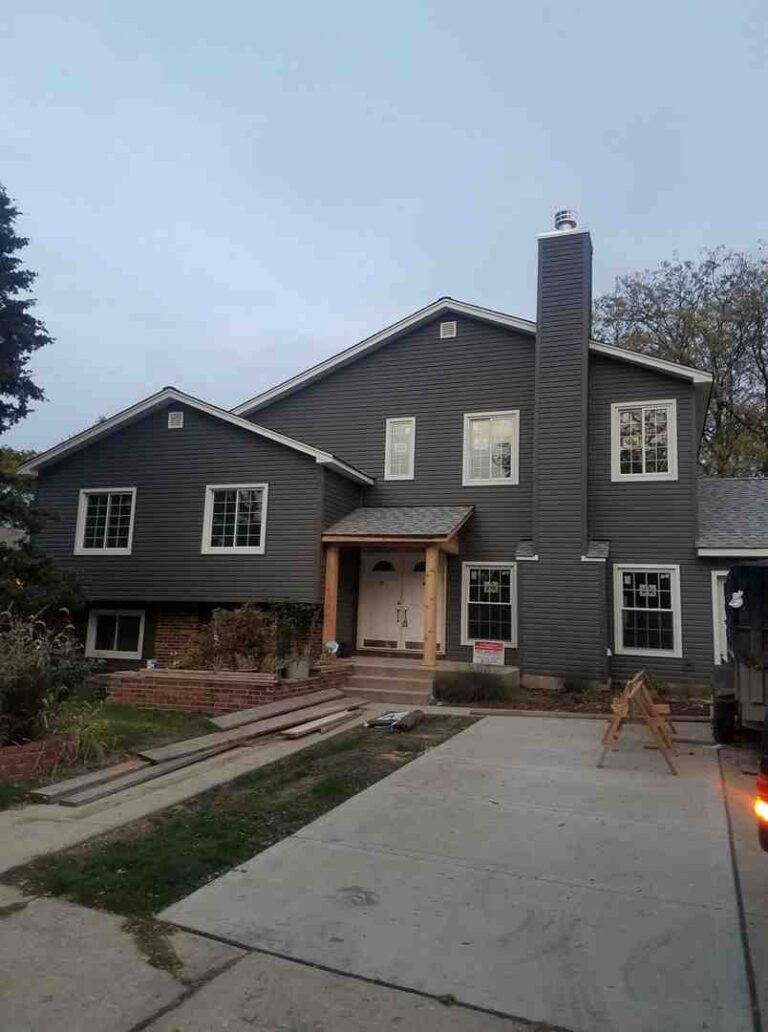
A full second-story addition is a game-changer. Imagine changing a modest 884-square-foot Cape Cod into a spacious 1,700-square-foot home, as some projects have shown. This kind of expansion provides ample opportunity to create new bedrooms, expand existing ones, or add a luxurious master suite. We have extensive experience with these kinds of vertical expansions. If you’re considering this, explore how we can help you add a 2nd story to your house or learn more about prefab 2nd story addition options.
For homes where a full second story isn’t feasible or desired, shed dormers and Nantucket dormers offer an excellent solution. These architectural features project from the main roof, significantly increasing headroom and usable floor space in the attic level. Shed dormers provide a continuous, flat roofline, while Nantucket dormers offer a more visually varied roofline. Both introduce much-needed natural light, changing cramped, sloped-ceiling rooms into comfortable, functional spaces. By raising the roof in strategic areas, we can effectively improve headroom and create viable living areas upstairs, making a dramatic difference in the overall feel of the home. This approach is particularly effective for creating master suites or additional bedrooms, maximizing the existing attic space.
Extending Out: Rear and Side Additions
When expanding vertically isn’t the primary goal, or when additional space is needed on the main floor, extending horizontally is an excellent option.
Rear additions are incredibly popular for Cape Cod homes. They allow us to extend the living space without altering the home’s iconic symmetrical front facade. These additions typically add anywhere from 200 to 600 square feet, providing ideal space for a kitchen expansion or a new family room addition. Modern kitchens have evolved from purely functional spaces to central social hubs, and an expansion can allow for spacious islands, custom cabinetry, and smart appliances. This creates a seamless flow and connection to outdoor living areas, making entertaining a breeze.
Side additions are also viable, especially for properties with wider lots. These can accommodate a garage, an additional bedroom, or an expanded living area. When planning side additions, we ensure that the new structure complements the existing architecture, maintaining the home’s overall balance and aesthetic.
Creative solutions like breezeways or mudrooms can also add functional space. A breezeway connecting a detached garage to the main house, for instance, can provide a much-needed mudroom or laundry area, enhancing convenience and organization. These additions are designed to blend seamlessly with your home’s exterior, ensuring a cohesive and attractive look.
Reimagining the Interior: Expanding Within the Footprint
Sometimes, the best way to expand a Cape Cod home is not by building out or up, but by thoughtfully redesigning the interior. Maximizing usable space within the existing footprint can dramatically improve flow and functionality.
Open-concept floor plans are a popular choice for modernizing older Cape Cods. By removing non-load-bearing walls that separate traditional living, dining, and kitchen areas, we can create a more expansive and interconnected living space. This fosters a sense of spaciousness and improves the flow of natural light throughout the home. While we focus on exterior construction, we often collaborate with interior designers and general contractors to ensure these internal changes are structurally sound and aesthetically pleasing.
Vaulting ceilings in existing rooms can also create an illusion of greater space and height, combating the traditional low ceilings that can make Cape Cods feel confined. This can introduce drama and airiness, particularly in a family room or master bedroom.
Finally, finishing basements is a relatively affordable way to add significant living space. While many older Cape Cods might not have full basements, for those that do, converting this underused area can create anything from a home office or guest suite to a playroom or entertainment area. Leveraging existing infrastructure for plumbing and electrical can make this a more budget-conscious remodel.
By combining these strategies, homeowners can achieve an expanded Cape Cod house that feels both larger and more functional, without sacrificing its classic appeal.
Designing Your Expanded Cape Cod House: Key Considerations
Expanding a Cape Cod home is an exciting endeavor, but it requires meticulous planning to ensure the new additions blend seamlessly with the original structure. Our expertise at TJ Builders & Developers Inc. ensures that every detail, from the roofline to the siding, contributes to a cohesive and beautiful expanded Cape Cod house.
Preserving Curb Appeal and Aesthetic Harmony
The charm of a Cape Cod lies in its timeless design, characterized by symmetry and simplicity. When adding to such a home, the primary goal is to maintain its visual integrity.
Maintaining symmetry is paramount, especially on the front facade. We often recommend expanding towards the rear or sides to preserve the iconic front profile. If additions are visible from the front, such as dormers, they must be carefully designed to match the existing architecture in scale and proportion, ensuring balance.
Matching materials is crucial for a cohesive look. This includes:
- Siding: Whether your home features traditional cedar shingles or other siding materials, we ensure the new siding matches the existing in material, color, and texture.
- Roofing: The roof is a dominant feature of a Cape Cod. We focus on matching the existing roof pitch, shingle type, and color. Poorly designed new roof sections can look awkward or collect water where angles meet, which is why our roofing expertise is invaluable.
- Windows: New windows should align with the existing ones in terms of size, style, and placement. This creates a uniform appearance and respects the home’s visual order.
- Trim details: Small details like window trim, corner boards, and fascia should be replicated to ensure a consistent aesthetic.
Roofline complexities are often the most challenging aspect. A well-planned addition will have rooflines that integrate smoothly with the original structure, making the expansion feel like a natural part of the home. We carefully plan these transitions to ensure structural soundness and aesthetic harmony.
Navigating Structural and Logistical Problems for an Expanded Cape Cod House
Beyond aesthetics, expanding a Cape Cod home involves significant structural and logistical considerations. These are areas where professional expertise is not just beneficial, but essential.
Foundation requirements are a major factor. Room additions almost always need new foundation work, which can be complex. As the research indicates, building an addition can cost twice as much per square foot as remodeling an existing space, largely due to foundation costs. This involves proper excavation, soil testing, and pouring new concrete that aligns perfectly with the existing structure. Our team consults regulatory guidelines for your area, which include soil conditions and weather, to determine the new foundation’s depth and height above grade.
Modernizing electrical & HVAC systems is often necessary. Older Cape Cods may have outdated wiring, insufficient electrical panels, or inefficient heating and cooling systems. An expanded home will have increased demands, requiring upgrades to meet current codes and ensure comfort. Integrating these modern systems during the addition process avoids future disruptions and creates long-term energy efficiency.
Aligning floor heights between the old and new sections of the home is critical for a seamless transition. Differences as small as an inch can create tripping hazards and make flooring installation challenging. Our careful planning ensures that the new addition’s floor height matches the existing house structure precisely, making the transition practically invisible.
These structural and logistical elements are complex, requiring careful planning and execution to ensure the safety, stability, and longevity of your expanded Cape Cod house.
Understanding Costs and Regulations
Starting on a home addition project means understanding both the financial investment and the regulatory landscape.
Zoning laws and building permits are non-negotiable. Every town in Illinois, from Lakewood to Palatine, has specific regulations governing what can be built, where, and how. These include setbacks from property lines, maximum building heights, and impervious surface limits. Our team handles all permitting and regulatory compliance, ensuring your project adheres to local and state requirements.
Historic preservation rules, while perhaps less prevalent in some newer Chicago suburbs, can significantly impact design choices in older, established communities. These rules aim to protect the architectural character of historic neighborhoods, often dictating materials, styles, and sizes of additions. We always research and understand these regulations to guide our clients effectively.
Cost factors for an addition are influenced by several variables:
- Location: Labor rates and permit fees vary by area.
- Home age and condition: Older homes may require more structural work or system upgrades.
- Size and scope of the addition: A larger, more complex addition will naturally cost more.
- Design complexity: Custom architectural details and intricate rooflines increase costs.
- Material and finish choices: High-end materials will incur higher expenses.
- Necessary HVAC/electrical/plumbing upgrades: Integrating new systems into old ones can be costly.
- Site constraints: Limited access or difficult soil conditions can add to the budget.
Here’s a general overview of typical costs associated with different types of Cape Cod home additions, though these are estimates and can vary widely based on the factors above:
| Type of Addition | Estimated Cost Range |
|---|---|
| Dormer Expansions | $40,000–$120,000 |
| Rear Additions | $80,000–$200,000 |
| Second-Story Additions | $150,000–$400,000+ |
| Sunroom or Porch Conversions | $30,000–$70,000 |
These figures highlight that expanding your Cape Cod is a significant investment. We provide detailed estimates and transparent communication throughout the planning process to ensure you understand the financial aspects of your project.
Need Help With Your Home?
TJ Builders & Developers handles roofing, siding, gutters, windows, home additions, and fire damage restoration for homes and businesses in Lakewood, Crystal Lake, Schaumburg, and nearby McHenry County towns.
- Free, no-obligation estimates
- Licensed & insured
- 20+ years of local experience
Why Partner with a Professional for Your Cape Cod Addition?
Undertaking a home addition, especially for an expanded Cape Cod house, is a complex project with many moving parts. It involves architectural design, structural engineering, permitting, construction, and ensuring seamless integration with your existing home. This is precisely why partnering with an experienced professional like TJ Builders & Developers Inc. is invaluable.
Design-build firms and experienced contractors offer a streamlined approach, handling everything from initial concepts to final construction. This single point of contact simplifies communication and ensures accountability throughout the project. Our team has over two decades of experience in the Chicago suburbs, changing homes and exceeding expectations.
The primary benefit of working with professionals is our ability to steer complexity. We understand the unique challenges presented by Cape Cod homes—from steep rooflines and shallow foundations to maintaining architectural symmetry. We blend our deep knowledge of construction with a keen eye for design to ensure your addition not only functions perfectly but also improves your home’s aesthetic appeal.
Code compliance is another critical area where our expertise shines. Building codes and local zoning regulations are constantly evolving. Our team stays up-to-date with all requirements in areas like Crystal Lake, Schaumburg, and Mount Prospect, ensuring that every aspect of your addition meets or exceeds safety and structural standards. We handle all permits and inspections, saving you time and potential headaches.
Effective project management is key to a successful addition. We carefully plan every stage, from material procurement to scheduling subcontractors, to ensure the project stays on track and within budget. Our clear communication keeps you informed every step of the way, providing peace of mind.
Our goal is to deliver seamless results. A well-executed addition should look and feel like it was always part of the original home. This involves careful attention to matching materials, blending rooflines, and ensuring smooth transitions between old and new spaces. Our reputation is built on delivering high-quality workmanship and creating expanded Cape Cod house projects that our clients love for years to come.
We invite you to see examples of our work and learn more about our commitment to quality. Explore Our Projects to visualize what’s possible for your home, and find more About Us and our approach to home additions.
Conclusion
The journey to create an expanded Cape Cod house is one that combines respect for tradition with the demands of modern living. While these charming homes present unique challenges, their inherent flexibility and timeless appeal make them ideal candidates for thoughtful expansion. By carefully considering options like second-story additions, strategic dormers, rear extensions, and interior reconfigurations, you can open up the full potential of your home.
The benefits are clear: you gain modern functionality, significantly increased living space, and an improved home value, all while preserving the classic charm that first drew you to the Cape Cod style. Whether you need more room for a growing family, a dedicated home office, or a more open and inviting kitchen, an expanded Cape Cod house can provide the solution.
At TJ Builders & Developers Inc., we understand the nuances of these beautiful homes and are committed to helping homeowners in Lakewood, Crystal Lake, Schaumburg, and throughout the Chicago suburbs realize their vision. Our expertise in roofing, siding, windows, and comprehensive home additions ensures that your project is handled with the highest level of craftsmanship and care. We are dedicated to delivering results that are not only structurally sound and code-compliant but also aesthetically harmonious with your home’s original character.
Ready to transform your Cape Cod into the spacious, functional home of your dreams? Let us be your trusted partner.