Identifying the Need for Emergency Roof Repair in Lakewood
When a storm rolls through Northern Illinois, it doesn’t always leave a polite calling card. Sometimes, it leaves a gaping hole or a steady drip in your living room. Identifying when a situation has crossed the line from a “weekend project” to a true roofing emergency is the first step in protecting your home. In our experience at TJ Builders & Developers Inc, a roofing emergency is any event that compromises the structural integrity of the roof or allows water to enter the home’s interior.

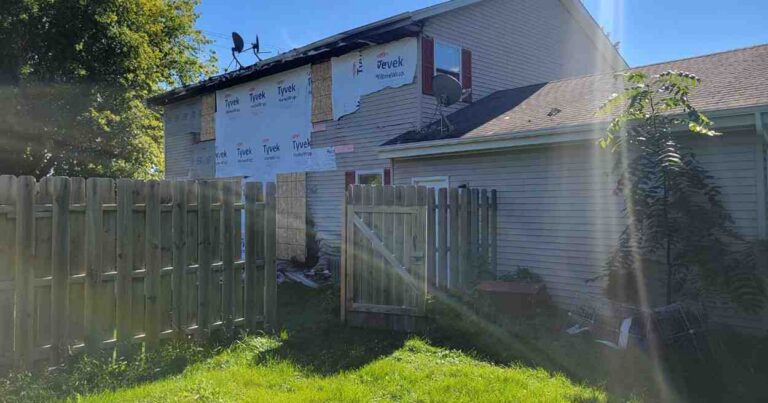
Structural damage is perhaps the most obvious sign. If a heavy oak limb from one of Lakewood’s beautiful old trees comes crashing down, you aren’t just looking at broken shingles; you’re looking at potential rafters snapping and a direct path for the elements to enter. Similarly, fire damage requires immediate professional intervention to seal the structure from further weather-related deterioration while the restoration process begins.
Water intrusion is the silent enemy. While a massive branch is loud, a failed flashing or a wind-stripped section of shingles can be quiet until the ceiling starts to sag. We utilize advanced Emergency Roof Repair Leak Detection techniques to find the entry point, which isn’t always directly above the spot where the water is dripping. Because of the way roofs are constructed, water can travel along rafters for several feet before finally showing its face on your drywall. According to Scientific research on roof maintenance and urgent repairs, prompt stabilization is the only way to prevent secondary issues like rot and electrical shorts.
Common Causes of Emergency Roof Repair Lakewood
In Lakewood and the surrounding Chicago suburbs, our weather is nothing if not “enthusiastic.” We see several recurring themes when we get those midnight emergency calls:
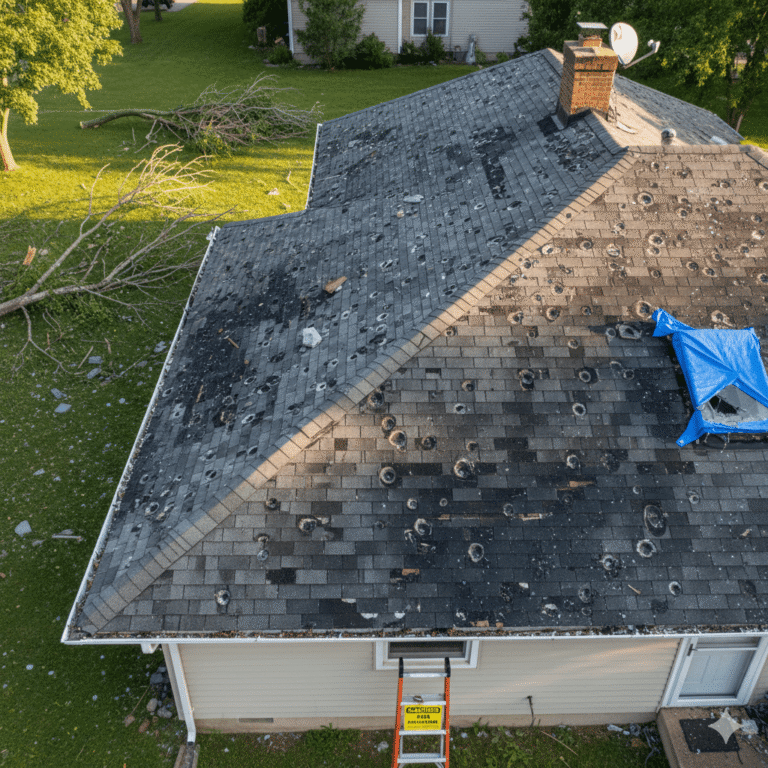
- Hail Impact: Large hailstones can bruise or crack the underlying mat of your shingles. This Hail Damage Roof often goes unnoticed from the ground but leads to rapid leaks during the next rainfall.
- High-Velocity Winds: Northern Illinois is famous for its wind. These gusts can get underneath shingle tabs, peeling them back like a banana skin. This shingle displacement exposes the wooden decking below to direct rain.
- Storm Damage: Beyond just wind and hail, general Storm Hail Damage Restoration often involves debris—like flying lawn furniture or branches—that punctures the roof membrane.
- Flashing Failure: The metal “connectors” around your chimney, vents, and valleys are common failure points. If these pull away during a storm, you have a high-volume leak on your hands.
Risks of Delayed Response
We often tell homeowners that the cost of the Roof Repair itself is usually much lower than the cost of fixing what the water destroys inside the house. If you wait even a few days to address a leak, you are inviting several hazards into your home:
- Mold Proliferation: This is the big one. According to Scientific research on mold growth timing, mold spores can begin to colonize damp drywall and wood in just 24–48 hours. Once it’s in your wall cavities, remediation becomes a much larger project.
- Structural Rot: Wood that stays wet begins to soften. Over time, this weakens the rafters and decking, potentially leading to a partial roof collapse.
- Attic Insulation Damage: Most Lakewood homes use fiberglass or cellulose insulation. Once this gets soaked, it loses its R-value (insulating power) and often has to be completely replaced because it becomes a breeding ground for bacteria.
- Electrical Hazards: Water and electricity are a dangerous pair. Leaks that travel down through the walls can find their way into junction boxes, outlets, and light fixtures, creating a fire risk.
Need Help With Your Home?
TJ Builders & Developers handles roofing, siding, gutters, windows, home additions, and fire damage restoration for homes and businesses in Lakewood, Crystal Lake, Schaumburg, and nearby McHenry County towns.
- Free, no-obligation estimates
- Licensed & insured
- 20+ years of local experience
Immediate Steps to Mitigate Roof Damage
If you find yourself in the middle of a roofing crisis, the goal is “stabilization.” You want to stop the bleeding before the surgeon arrives. While we never recommend that homeowners climb onto a wet, steep-slope roof themselves—especially during or after a storm—knowing what a professional will do can help you prepare.

The most effective temporary measure is professional tarping. This involves using heavy-duty, UV-resistant moisture barriers to cover the damaged area. It’s not just about throwing a blue sheet over the roof; it involves securing the perimeter with wooden “furring strips” to ensure the wind doesn’t catch the edges and blow it away. This is also a critical time to look at specialized areas, such as Skylight Repair Lakewood, as these features are often the first to leak during extreme weather.
| Feature | Emergency Tarping | Permanent Shingle Repair |
|---|---|---|
| Primary Goal | Stop active leaks immediately | Restore roof lifespan and aesthetics |
| Durability | 30–90 Days | 20–50 Years |
| Installation Time | 1–3 Hours | 1–2 Days |
| Material | Reinforced Polyethylene / Plywood | Asphalt, Metal, or Composite Shingles |
| Permit Required? | Usually No (Emergency Mitigation) | Yes (In Lakewood and most IL suburbs) |
Professional Tarping and Board-Up Procedures
When we arrive for an emergency roof repair Lakewood call, our first priority is safety and securing the “envelope” of the home. If a tree has created a large hole, we don’t just use a tarp; we use 5/8″ exterior-grade plywood for a “board-up.” This prevents animals from entering and provides structural reinforcement.
A professional tarp job by Roofers In Lakewood IL is designed to last between 30 and 90 days. This gives you enough time to meet with your insurance adjuster and choose the right materials for a permanent fix without worrying about every passing cloud. We use specific “sandbagging” or “fastening” techniques depending on the slope of your roof to prevent wind uplift, which is a common failure point for DIY tarping.
Winter-Specific Emergencies in Northern Illinois
Lakewood winters bring a different set of rules. While summer is about wind and rain, winter is about weight and ice.
- Ice Dams: These occur when heat from your attic melts snow on the roof, which then refreezes at the cold eaves. This creates a dam that forces liquid water up under your shingles. Professional Ice Dam Removal is essential to stop this cycle without damaging the shingles.
- Heavy Snow Load: A cubic foot of wet snow can weigh up to 20 pounds. After a major blizzard, the sheer weight can cause older roofs to groan or sag. We provide Roof Snow Removal to alleviate this pressure before a collapse occurs.
- Freeze-Thaw Cycles: Water expands when it freezes. If you have a small crack in your masonry or a loose shingle, the ice will widen that gap every night, turning a tiny flaw into a major leak by spring.
Navigating the Restoration and Insurance Process
One of the most stressful parts of a roofing emergency is the paperwork. At TJ Builders & Developers Inc, we believe our job isn’t just to hammer nails; it’s to help you navigate the claim process so you can get your home back to normal.

Most insurance policies include a “reasonable steps” clause. This means the homeowner is responsible for taking immediate action to prevent further damage. This is why calling for an emergency tarp is so important—it shows the insurance company you are fulfilling your end of the contract.
When we perform an inspection for Roofing damage, we provide a comprehensive digital report. This includes high-resolution photos of the impact sites, moisture readings from the interior, and a detailed estimate. Having this professional documentation makes the adjuster’s job easier and helps ensure you receive the coverage you are entitled to under your policy.
Professional Standards for Emergency Roof Repair Lakewood
In the wake of a big storm, “storm chasers” often flood the area. These are out-of-state contractors who disappear as soon as the check clears. To protect your home, always verify the following:
- Licensing: Ensure the contractor is licensed to work in Illinois and specifically in the Lakewood/Crystal Lake area.
- Material Performance: In our damp, variable climate, using high-quality underlayment and shingles with high wind ratings is non-negotiable.
- Workmanship Warranties: A repair is only as good as the hands that installed it. We stand by our work with long-term warranties that give homeowners peace of mind.
- Local Knowledge: A company that understands the building codes in Lakewood, Schaumburg, or Barrington will ensure your repair passes inspection the first time. You can reach out to us through our Contact Us page to discuss local requirements for your specific suburb.
Need Help With Your Home?
TJ Builders & Developers handles roofing, siding, gutters, windows, home additions, and fire damage restoration for homes and businesses in Lakewood, Crystal Lake, Schaumburg, and nearby McHenry County towns.
- Free, no-obligation estimates
- Licensed & insured
- 20+ years of local experience
Frequently Asked Questions about Emergency Roofing
How long does an emergency roof tarp last?
A professionally installed emergency tarp is a temporary solution, typically rated to last between 30 and 90 days. Its lifespan depends heavily on weather exposure—high winds and intense UV rays can degrade the material over time. At TJ Builders & Developers Inc, we use heavy-duty, reinforced tarps designed to buy you enough time to coordinate with your insurance company and schedule a permanent Roofing repair. If you notice the tarp fraying or shifting, call your contractor immediately for a “tune-up.”
Can emergency repairs be performed during a rainstorm?
Safety is our absolute priority. We cannot send crews onto a steep, slick roof during active lightning or torrential downpours. However, as soon as there is a break in the weather, we can perform stabilization. In some cases, we can use “water diversion” techniques from the inside or use specialized equipment to secure a tarp during light rain. The goal is to stop the water as quickly as it is safe to do so, then schedule the permanent fix for a dry day.
What constitutes a “roofing emergency” versus a standard repair?
A standard repair is something like a single missing shingle or a minor gutter clog—things that should be fixed soon but aren’t actively destroying your home. A roofing emergency involves:
- Active Leaks: Water is entering the living space or attic.
- Structural Compromise: A sagging roofline or a hole from a fallen tree.
- Exposed Decking: Large sections of shingles are missing, leaving the wood vulnerable.
- Fire Damage: The roof’s integrity has been compromised by heat or flames.
- Immediate Safety Risks: Anything that makes the home unsafe to occupy.
Conclusion
Dealing with a roofing crisis is never on anyone’s “to-do” list, but when the unexpected happens, having a plan makes all the difference. From the initial shock of a leak to the final shingle being laid, the key is choosing a partner who understands the unique challenges of Northern Illinois weather.
At TJ Builders & Developers Inc, we’ve spent decades serving Lakewood, Crystal Lake, Schaumburg, and the surrounding suburbs. We pride ourselves on professional workmanship and a commitment to protecting our neighbors’ homes. Whether you need an emergency tarp at 2:00 AM or are looking to upgrade your home’s curb appeal with a new Siding Installation & Replacement, we are here to provide reliable, expert service.
Your roof is your home’s first line of defense. Don’t let a small leak turn into a major renovation. If you suspect your roof has been damaged, act quickly, document the evidence, and call in the professionals to ensure your home remains the safe haven it’s meant to be.