What Mitigation Means for Your Home and Risk
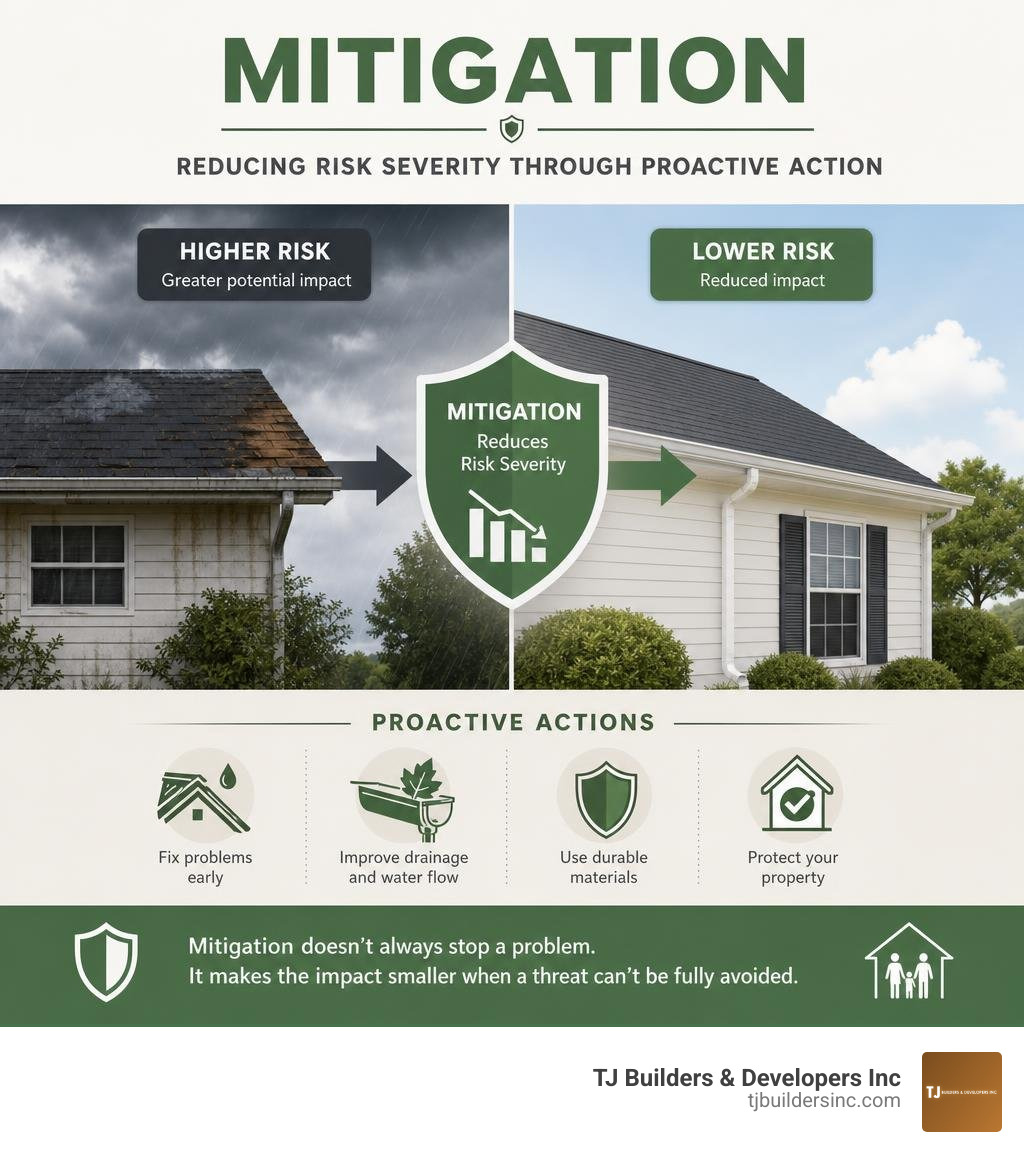
Mitigation means taking steps to make harm, damage, or risk less severe. It does not always stop a problem from happening. Instead, it reduces the size of the loss when a threat cannot be fully avoided.
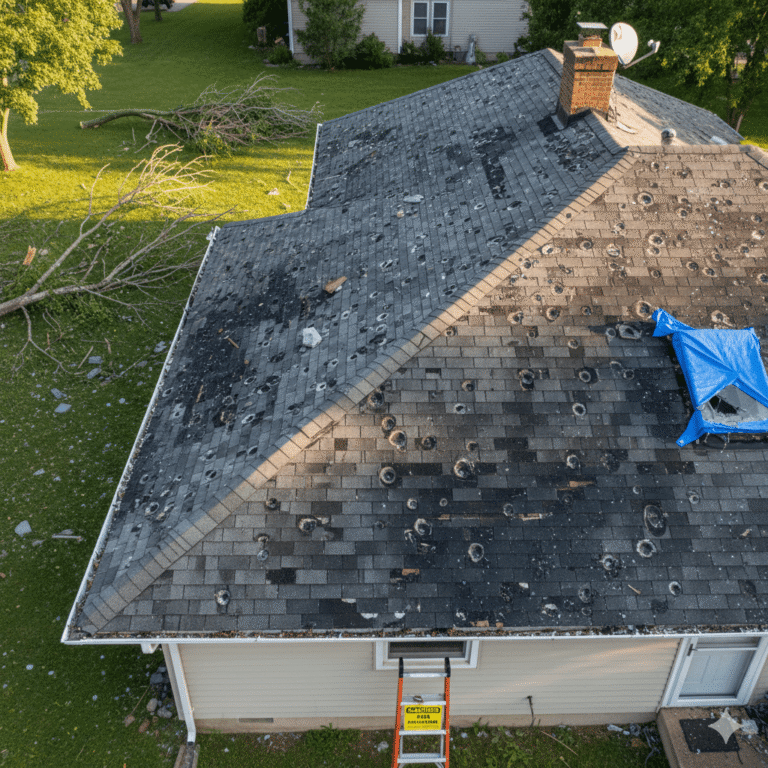
For homeowners, mitigation can mean repairing a roof leak before moisture spreads, improving gutters to move water away from the foundation, or using durable siding that stands up to harsh weather. In business, environmental, legal, and disaster settings, the same core idea applies: lessen the negative impact.
Mitigation is different from restoration. Mitigation stabilizes the situation and prevents further damage; restoration repairs or rebuilds what was damaged. Quick action after a leak, storm, or fire can protect more of the property and often reduce the total repair scope.
I am Thomas Pruszynski, owner of TJ Builders & Developers Inc. For more than 20 years, our team has helped Northern Illinois property owners protect and improve their homes through quality exterior repairs and restoration work, so the practical mitigation meaning is central to how we approach lasting property protection.
Mitigation meaning definitions:
Decoding the Mitigation Meaning: Definition, Etymology, and Core Principles
The word mitigation is a noun that describes the action of reducing the severity, seriousness, or painfulness of something. According to authoritative sources like MITIGATION Definition & Meaning – Merriam-Webster , it represents both the active process and the resulting state of making an adverse condition less harsh, dangerous, or damaging.
Etymologically, the term traces back to late Middle English via Old French, rooted in the Latin verb mitigare (“to soften or alleviate”), which stems from mitis (“mild” or “soft”). In practical terms, when we mitigate a hazard, we “soften the blow.” Rather than pretending an external threat does not exist, mitigation establishes proactive defenses to cushion the impact.
Mitigation Meaning Across Legal, Business, and Environmental Contexts
While the core definition remains rooted in lessening severity, different professional sectors apply mitigation through specific operational frameworks:
- Legal Contexts: In courtroom proceedings, a “plea in mitigation” or the presentation of “mitigating circumstances” refers to evidence that does not excuse the wrongdoing but provides context to reduce the severity of penalties or legal liability.
- Business Risk Management: For corporations, risk mitigation involves establishing internal controls, quality assurance checks, performance testing, and contractual agreements to lessen potential financial, operational, or reputational fallout.
- Environmental Policy & Civil Planning: Municipalities implement frameworks such as a Local Hazard Mitigation Plan to safeguard infrastructure. On a broader scale, environmental mitigation involves cutting carbon emissions to reduce climate impacts or utilizing wetland mitigation banking—compensatory ecological restoration that offsets unavoidable industrial development to achieve a standard of no net loss.
Differentiating Mitigation from Adaptation, Prevention, and Restoration
It is common to confuse mitigation with related concepts such as prevention, adaptation, and restoration. Each plays a distinct role in risk governance and structural management.
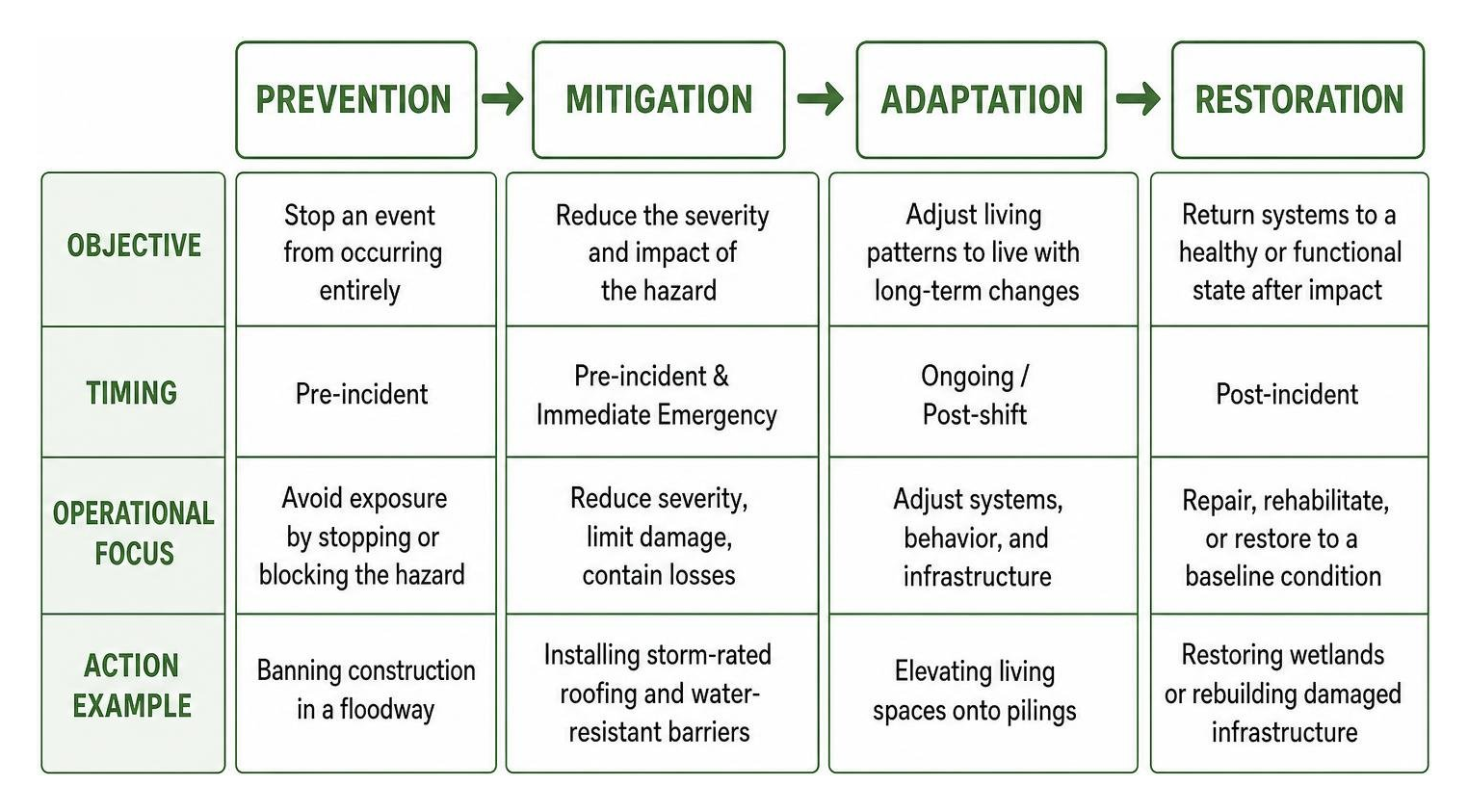
| Concept | Primary Objective | Timing | Action Example |
|---|---|---|---|
| Prevention | Stop an event from occurring entirely | Pre-incident | Banning construction in a floodway |
| Mitigation | Reduce the severity and impact of the hazard | Pre-incident & Immediate Emergency | Installing storm-rated roofing and water-resistant barriers |
| Adaptation | Adjust living patterns to live with long-term changes | Ongoing / Post-shift | Elevating living spaces onto pilings |
| Restoration | Rebuild and return systems to pre-loss state | Post-incident | Reconstructing framing, drywall, and finishes |
Need Help With Your Home?
TJ Builders & Developers handles roofing, siding, gutters, windows, home additions, and fire damage restoration for homes and businesses in Lakewood, Crystal Lake, Schaumburg, and nearby McHenry County towns.
- Free, no-obligation estimates
- Licensed & insured
- 20+ years of local experience
The Strategic Framework of Risk Mitigation in Project and Hazard Management
Modern risk mitigation relies on systematic assessments rather than guesswork. International bodies like the Intergovernmental Panel on Climate Change (IPCC)—established in 1988 by the United Nations Environment Programme and the World Meteorological Organization, incorporating insights from 195 member countries—standardize global hazard assessments.
Similarly, the Sendai Framework for Disaster Risk Reduction establishes five core pillars of disaster governance: prevention, mitigation, preparedness, response, and recovery. In regional planning and construction, these frameworks guide how communities in Northern Illinois plan for severe weather, structural resilience, and long-term asset safety.

Five Essential Risk Mitigation Strategies
Whether managing a major construction build in Schaumburg or protecting municipal infrastructure, five core strategies govern risk management:
- Risk Avoidance: Redesigning or halting a process to eliminate exposure to a specific hazard entirely.
- Risk Reduction: Taking active physical or procedural steps to lower the probability or severity of an impact (such as installing impact-resistant architectural shingles).
- Risk Transfer: Shifting financial liability to a third party through insurance policies, warranties, or vendor service-level agreements.
- Risk Acceptance: Acknowledging minor, residual risks when the cost of intervention outweighs the potential loss, chosen only after other strategies are evaluated.
- Risk Monitoring: Tracking environmental changes, material wear, and structural integrity continuously to respond before failures escalate.
The Six-Phase Mitigation Lifecycle
Effective mitigation functions as an ongoing feedback loop rather than a one-time project:
- Threat Identification: Cataloging potential natural, structural, or operational hazards.
- Vulnerability Analysis: Assessing how susceptible specific materials, systems, or buildings are to those identified hazards.
- Strategy Design: Selecting appropriate structural hardening or procedural interventions.
- System Execution: Installing engineering controls, protective components, or operational safeguards.
- Outcome Tracking: Monitoring performance during real-world stress conditions or routine seasonal inspections.
- Iterative Adaptation: Updating specifications based on performance data to refine future protection.
Property and Disaster Mitigation: Protecting Homes and Infrastructure
At the residential level, property mitigation translates directly into proactive exterior maintenance and rapid emergency intervention. In areas like Crystal Lake, Lakewood, and Cary, homes face seasonal freeze-thaw cycles, high wind events, hail, and torrential rainfall. Proactive mitigation measures reduce operational vulnerabilities—such as intelligent building management systems lowering HVAC costs by up to 30%—while structural hardening protects the building envelope.
Water Mitigation Meaning and How It Differs from Water Damage Restoration
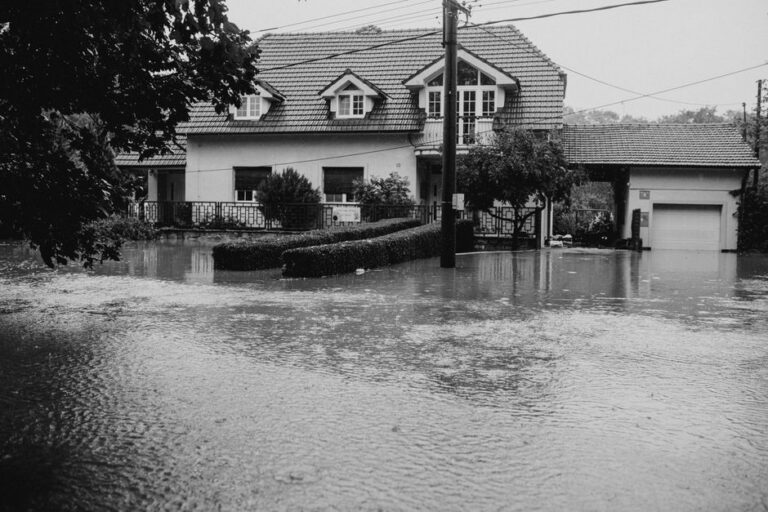
When water breaches a structure—whether from a burst pipe during a sub-zero winter or a severe storm—understanding the sequential timeline between mitigation and restoration is critical.
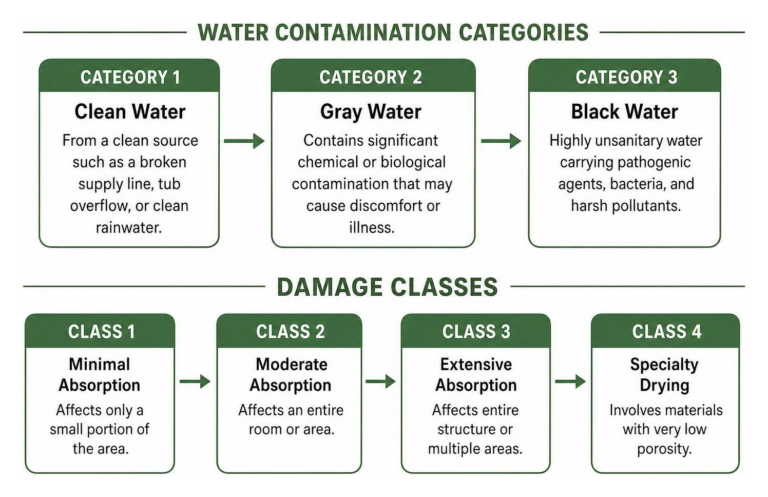
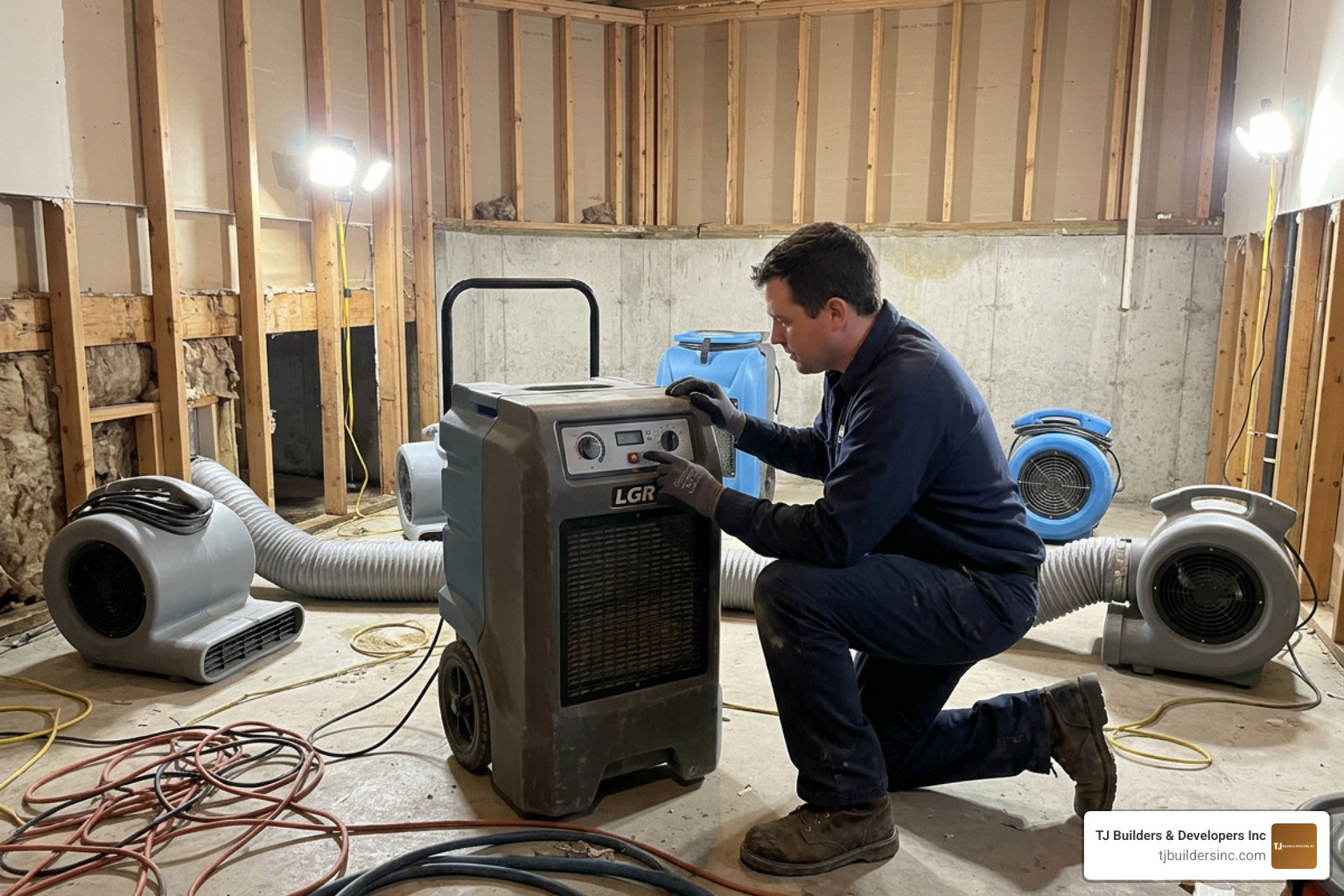
- Water Mitigation: This is the immediate emergency stabilization phase. It must start within the critical 24- to 48-hour window to prevent microbial growth and irreversible structural decay. The scope includes isolating the water source, extracting standing water with commercial extraction equipment, setting up industrial dehumidifiers, and removing unsalvageable, soaked insulation or drywall. Mitigation stops the damage from spreading; it does not rebuild the home.
- Water Damage Restoration: Once the environment is verified dry and stabilized, restoration begins. This phase focuses on repairing framing, hanging new drywall, installing flooring, painting, and returning the property to its pre-loss condition. Restoration can take several weeks, but it cannot safely start until thorough mitigation is complete.
Property owners navigating emergency structural dryouts can review The Complete Guide to Water Damage Mitigation Steps or consult verified specialists through Finding the Best Home Water Damage Restoration Pros Near You.
Exterior and Structural Mitigation Against Storm, Wind, and Fire
A home’s first line of defense is its exterior envelope. Mitigating environmental damage requires deliberate building practices and material choices:
- Roofing Defense: Roofs must withstand wind uplifts and shed water efficiently. After severe weather events, homeowners often rely on How to Restore Your Roof After Water and Flood Damage to stabilize the structure. Proper installation of durable ice and water shields alongside reinforced underlayments prevents water intrusion.
- Storm & Hail Protection: Upgrading to impact-resistant siding and heavy-gauge seamless gutters ensures that hail and heavy runoff are directed safely away from foundations. When severe weather hits, professional Storm & Hail Damage Restoration ensures long-term exterior durability.
- Fire Hardening: Structural fire mitigation involves creating defensible perimeter space, installing ember-resistant soffit venting, and using non-combustible exterior claddings. For homes recovering from structural burns, certified Fire Damage Restoration cleans toxic residues, remediates framing, and restores structural stability.
Need Help With Your Home?
TJ Builders & Developers handles roofing, siding, gutters, windows, home additions, and fire damage restoration for homes and businesses in Lakewood, Crystal Lake, Schaumburg, and nearby McHenry County towns.
- Free, no-obligation estimates
- Licensed & insured
- 20+ years of local experience
Frequently Asked Questions About Mitigation
What is the simplest mitigation meaning in everyday language?
In everyday language, mitigation simply means making a bad situation less severe. It involves taking practical actions to reduce harm, cost, or physical damage before or immediately after a problem occurs, such as clearing gutters before a thunderstorm to keep water out of your basement.
What does “in mitigation” mean in a legal court proceeding?
“In mitigation” is a legal term used when a defendant presents facts, background details, or circumstances to a judge to lessen their culpability or reduce the severity of their punishment. While it does not prove innocence, it provides context aimed at securing a lighter sentence or reduced financial liability.
Why is proactive mitigation more cost-effective than disaster recovery?
Proactive mitigation saves significant capital because preventing or minimizing damage is far less labor-intensive and resource-heavy than complete structural reconstruction. Across municipal planning and residential construction, investments in robust materials, proper drainage, and structural hardening protect critical building components, preventing compounding secondary damage like wood rot and mold remediation.
Conclusion: Building Proactive Resilience Through Structured Mitigation
Mitigation is not about hoping for good weather; it is about building homes and systems strong enough to handle severe conditions when they arrive. By understanding the core principles of mitigation—from legal defenses and municipal hazard planning to residential moisture control and structural hardening—property owners can make informed, proactive decisions that safeguard their investments.
At TJ Builders & Developers Inc, we bring decades of hands-on exterior construction and restoration experience to communities across Northern Illinois, including Lakewood, McHenry, Schaumburg, and Algonquin. Protecting your residential structure requires high-standard craftsmanship and durable exterior solutions, from impact-resistant siding to specialized roof waterproofing services. By prioritizing proactive structural mitigation today, you secure lasting durability, safety, and peace of mind for your home for years to come.