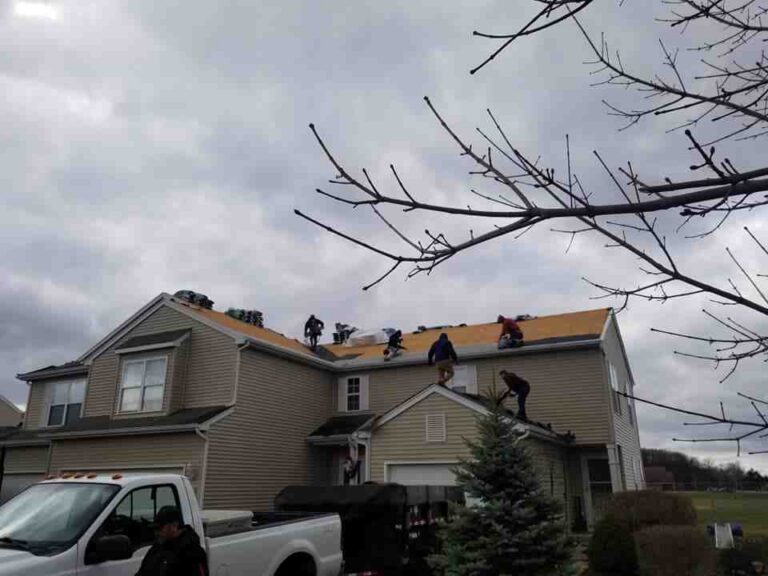
Why Roof Snow Removal Matters for Your Home’s Safety
Roof snow removal is a critical winter task that protects your home from structural damage, collapse, and water intrusion. Heavy snow can exceed your roof’s load capacity—typically 20 pounds per square foot (PSF)—putting your property and family at risk.
Quick Answer: When and How to Remove Snow from Your Roof
- When to remove: Before snow exceeds 12 inches (fresh) or 6 inches (packed)
- Safest DIY method: Use a roof rake from the ground to clear 3-4 feet from the eaves
- When to call a pro: For two-story homes, steep roofs, ice, or signs of roof stress
- Cost: Professional removal ranges from $150-$1,000 depending on roof size and snow depth
- Never do this: Don’t walk on a snowy roof, use metal tools, apply heat, or work alone
While a snow-capped roof looks picturesque, it can threaten your home’s structural integrity. A roof in good condition supports 20 PSF, but this limit can be reached with just four feet of light snow or two feet of heavy, packed snow.
Removing snow is a dangerous chore. Heavy, wet snow over a foot deep warrants removal to prevent ice dams, which block drainage. The weight adds up fast: a mix of old and new snow can reach 60 pounds per square foot, far exceeding what most roofs can handle.
Whether you use a roof rake or hire professionals, knowing when and how to clear your roof can prevent thousands in damage and keep your family safe.
The Weight of Winter: Understanding Snow Load and Roof Stress
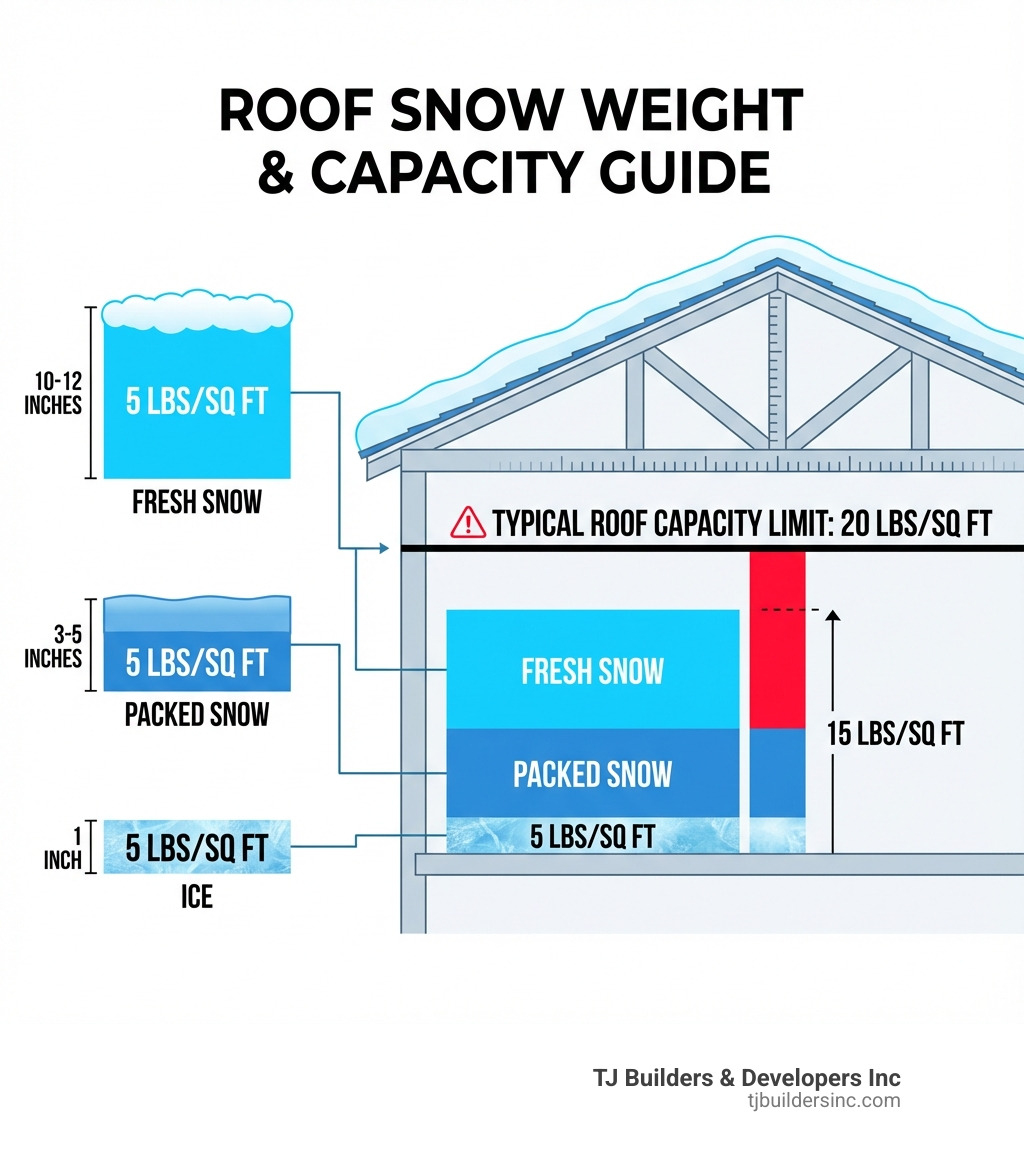
For homeowners in Lakewood, Crystal Lake, and the Chicago suburbs, understanding snow weight is crucial for preventing roof damage. Roofs are designed for a specific snow load capacity, typically around 20 pounds per square foot (PSF). Exceeding this can lead to serious structural issues.
However, not all snow is created equal. The weight of snow can vary dramatically:
- Fresh, light snow: Roughly 10-12 inches of fluffy snow equals 5 PSF. Your roof might handle up to four feet of it.
- Packed, old snow: As snow compacts, it gets heavier. Just 3-5 inches can equal 5 PSF, meaning two feet could be too much for your roof.
- Ice: The heaviest culprit. One inch of ice weighs about 5 PSF, adding significant stress.
A combination of old and new snow can quickly exceed the 20 PSF limit, reaching 60 PSF or more and creating a severe collapse risk. Flat and low-pitched roofs are especially vulnerable as they don’t shed snow easily.
We encourage you to consult resources like the FEMA Snow Load Safety Guidance for comprehensive information on snow load risks.
Warning Signs Your Roof is Under Stress
Your home will often show warning signs before a catastrophic failure. Acting on these clues can prevent disaster.
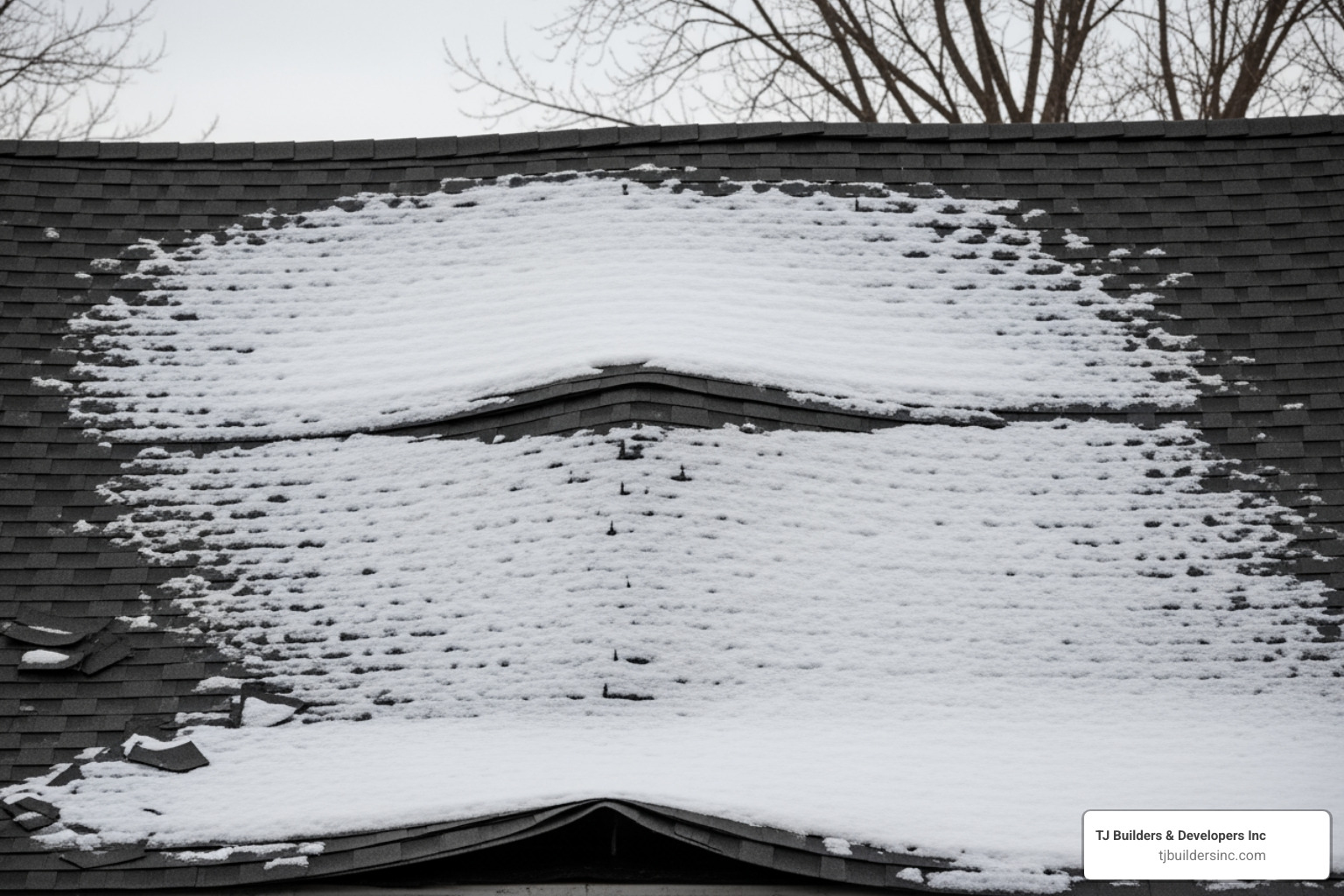
Here’s what to look for:
- Sagging Roof Deck: Any dipping or bowing seen from the ground is a major red flag.
- Interior Cracks: New cracks on interior ceilings and walls, especially on the top floor.
- Popping or Creaking Sounds: Unusual or persistent noises from the attic or roof structure.
- Doors or Windows Sticking: Upper-floor doors or windows that suddenly become difficult to open or close.
- Leaks or Water Stains: Immediate indicators that water is penetrating your roof, often due to ice dams.
- Bowed Utility Pipes: Check for bowed pipes or conduit in the attic running parallel to the roofline.
- Sheared-Off Screws: On steel-framed roofs, look for screws that have been sheared off.
If you observe these signs, evacuate the building, contact emergency services, and then a qualified professional.
How Much Snow Is Too Much? A Quick Guide
As a rule of thumb, clear your roof when it reaches half of its estimated capacity (e.g., two feet of fresh snow if the limit is four feet). This proactive approach reduces the risk of damage. Be especially wary of rain-on-snow events, which add significant weight. Monitor forecasts and accumulation regularly to stay ahead of the problem.
Need Help With Your Home?
TJ Builders & Developers handles roofing, siding, gutters, windows, home additions, and fire damage restoration for homes and businesses in Lakewood, Crystal Lake, Schaumburg, and nearby McHenry County towns.
- Free, no-obligation estimates
- Licensed & insured
- 20+ years of local experience
The Ground-Up Approach: Safe DIY Roof Snow Removal
Roof snow removal demands a safety-first mindset. Climbing onto a snowy roof is incredibly dangerous due to risks of slips, falls, and overexertion. We strongly advise against it for homeowners and advocate for a “ground-up approach” for any DIY efforts.
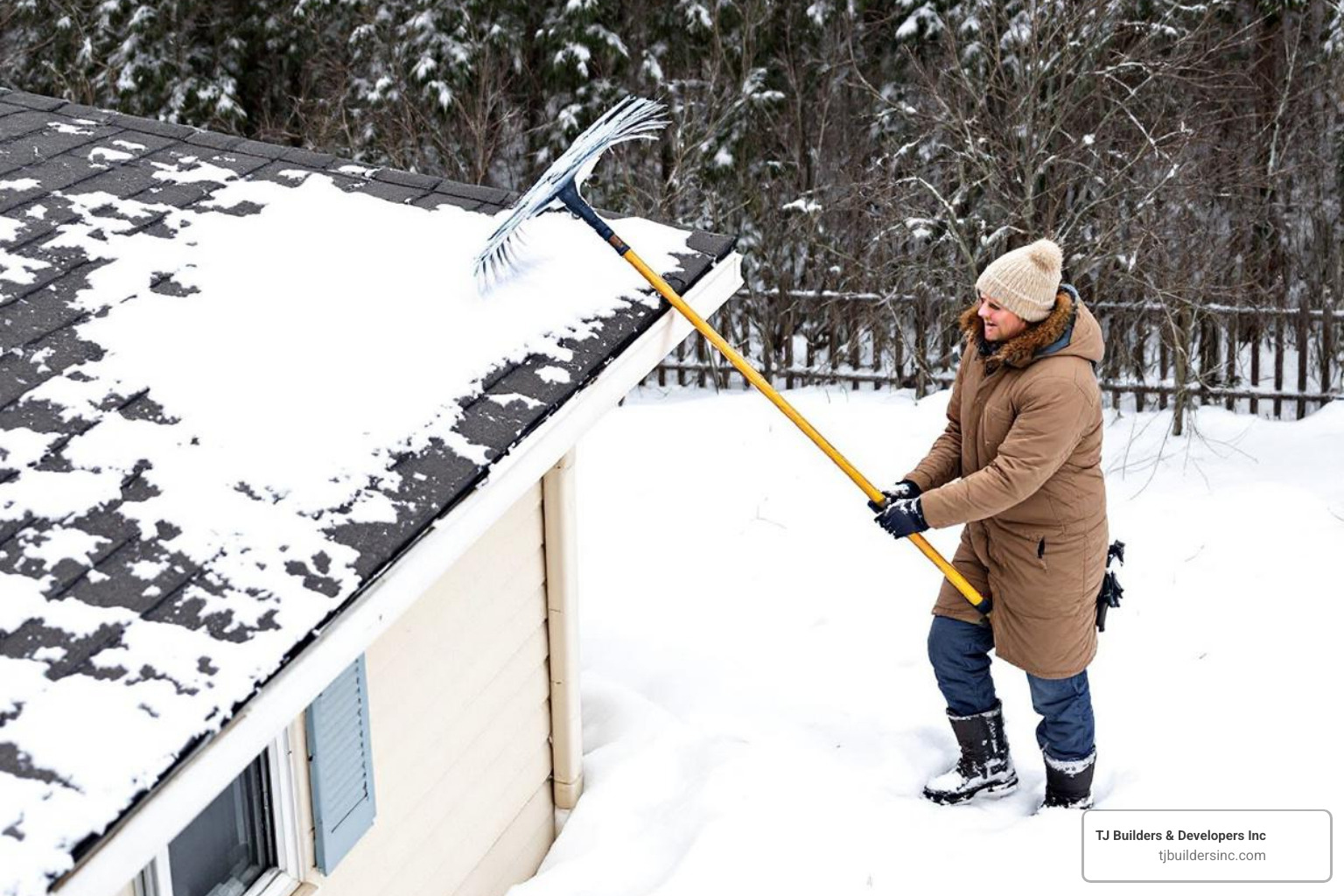
If you tackle this task, work with a partner who can act as a spotter. Dress warmly in layers and take frequent breaks.
Safest DIY Method: Using a Roof Rake
For most homeowners, the safest DIY method is using a roof rake. This tool, which costs $50 to $120, lets you remove snow from the edge of your roof while staying on the ground. It has a long, extendable handle and often features wheels to prevent shingle damage.
Here’s how to use a roof rake safely:
- Extend the Handle: Adjust it to reach the first 3-4 feet of your roof from the eaves.
- Pull, Don’t Push: Gently pull snow down toward you in layers. Do not push snow up the roof.
- Work from the Edge: Start at the eaves and work your way up in sections to help prevent ice dams.
- Clear Gutters: Ensure gutters and downspouts are clear for proper drainage.
- Mind Falling Snow: Keep the area below clear of people and property.
Roof raking is a partial solution that alleviates weight from the eaves and prevents ice dams, but it doesn’t clear the entire roof.
Key Safety Precautions for DIY Roof Snow Removal
Even with a roof rake, take these critical precautions:
- Leave 1-2 Inches of Snow: Don’t scrape the roof bare. A thin layer of snow protects shingles from the rake.
- Protect Shingles: Use a roof rake with rollers to prevent scratching your roofing materials.
- Avoid Power Lines: Be mindful of overhead power lines, especially with a metal rake, to avoid electrocution.
- Beware of Falling Snow and Ice: The area below must be clear. A cubic foot of ice weighs about 62 pounds and can cause serious injury.
- Use Plastic Tools, Not Metal: Never use metal shovels or picks on your roof; they can damage shingles and cause leaks.
- Never Use Open Flames or Electric Heaters: Using blowtorches or heat guns is a fire and electrocution hazard that can damage your roof.
- Work with a Partner: Always have someone on standby in case of an emergency.
- Dress Appropriately: Wear layers, gloves, and a hat to prevent hypothermia.
- Monitor Weather Forecasts: Plan your removal efforts by keeping an eye on upcoming weather.
DIY vs. Pro: When to Call for Backup
While a roof rake is a good DIY tool, some jobs are too big or dangerous for homeowners. For complex roof snow removal, it’s time to call professionals. We understand the winter challenges for our neighbors in Lakewood, Crystal Lake, and the Chicago suburbs.
Professional services offer a comprehensive solution, using specialized tools and safety gear to clear your entire roof, not just the eaves.
Here’s a quick comparison:
| Feature | DIY Roof Raking | Professional Roof Shoveling |
|---|---|---|
| Method | From the ground, pulling snow from roof edge | On the roof (by pros), shoveling the entire surface |
| Reach | Limited to lower 5-6 feet of roof | Clears 100% of the roof surface |
| Cost | Initial tool investment ($50-$120) | Per service ($150-$1,000 average) |
| Safety | Generally safer (ground-based) | Higher risk (working at heights), but professionals are trained and equipped |
| Effectiveness | Alleviates weight from eaves, prevents ice dams | Complete snow load removal, prevents all snow-related structural issues |
When to Hire a Professional for Roof Snow Removal
We strongly recommend hiring a professional in these situations:
- Two-Story Homes or Steep-Pitched Roofs: These are too dangerous for homeowners to access. Professionals have the required safety equipment and training.
- Excessive Snow Accumulation (Over 2 Feet): The volume and weight of over two feet of snow, especially if dense, make it a job for pros.
- Significant Ice Buildup: Professionals use specialized steamers to safely melt ice dams without damaging shingles, which can happen if you try to chip ice away.
- Visible Signs of Roof Stress: If you see sagging, hear creaking, or notice sticking doors, do not attempt DIY removal. This signals a serious structural issue requiring immediate professional assessment.
- Flat Roofs: These roofs are at high risk of collapse and require specific techniques to avoid damaging the membrane. If you suspect damage, we offer comprehensive roof repair services to address any issues.
Considerations for Different Roof Types
Your roof type impacts the best approach to roof snow removal.
- Sloped Roofs: These are designed to shed snow, but heavy accumulation still poses a risk. A roof rake used from the ground is the primary DIY tool. Never go up on a pitched roof yourself.
- Flat Roofs: These are at the greatest risk of buckling because snow doesn’t slide off. While they seem accessible, shoveling them is risky and can damage the roof membrane. It’s always safer to hire professionals who follow safety standards like those in the OSHA Winter Safety Guidelines.
Need Help With Your Home?
TJ Builders & Developers handles roofing, siding, gutters, windows, home additions, and fire damage restoration for homes and businesses in Lakewood, Crystal Lake, Schaumburg, and nearby McHenry County towns.
- Free, no-obligation estimates
- Licensed & insured
- 20+ years of local experience
Beyond the Blizzard: Preventing Ice Dams and Future Damage
Roof snow removal is also crucial for preventing ice dams, which cause significant long-term damage. Ice dams form when heat escaping from your attic melts snow on the roof. The meltwater flows to the cold eaves, refreezes, and creates a barrier. This dam traps more water, which can back up under shingles and leak into your attic and walls, causing:
- Shingle damage
- Attic leaks and mold growth
- Interior water damage
- Damaged or torn-off gutters
In the event of serious water damage, we can assist with structural repairs, similar to our fire damage restoration services.
The Role of Attic Insulation and Ventilation
The most effective way to prevent ice dams is to address their root cause: heat loss into the attic. Proper insulation and ventilation are your best defense.
- Attic Insulation: A well-insulated attic prevents warm air from heating the underside of your roof. This keeps the roof surface cold, so snow melts uniformly and reduces the melt-freeze cycles that create ice dams.
- Attic Ventilation: A system of soffit (intake) and ridge (exhaust) vents creates continuous airflow, equalizing the attic temperature with the outside air. This keeps the roof cold and removes moisture that can cause mold.
Proper insulation and ventilation not only prevent ice dams but also improve your home’s energy efficiency.
Common Add-On and Preventative Services
Beyond snow removal, these services can help protect your home long-term:
- Gutter Cleaning: Clogged gutters can’t drain meltwater, worsening ice dams. We offer gutter installation and replacement services to ensure proper drainage.
- Ice Dam Removal: If an ice dam exists, professional removal using steamers is the safest solution. This service averages around $1,200 but prevents more costly damage.
- Heated Cables (Roof De-icing Cables): Installed on eaves and in gutters, these create meltwater channels. Materials cost $1-$6 per linear foot, with installation from $12-$20 per linear foot.
- Ice and Water Shield Installation: Applied during re-roofing, this waterproof membrane is installed under shingles in vulnerable areas for extra protection. It costs $4-$5.50 per square foot installed.
- Heated Gutter Guards: These systems combine gutter protection with heating elements to prevent ice buildup. Materials cost $1-$10 per linear foot, plus installation.
Frequently Asked Questions about Roof Snow Removal
What happens if you leave too much snow on your roof?
Leaving too much snow on your roof can lead to structural collapse, the most dangerous risk. The weight can also warp your home’s frame, causing cracks in walls. Excessive snow also causes ice dams, which trap water that can leak into your attic and cause extensive water damage to insulation, drywall, and ceilings. It can also damage gutters. In short, neglecting snow removal risks structural failure, water damage, and costly repairs.
Is it ever safe to walk on a snowy roof?
No, it is never safe for a homeowner to walk on a snowy or icy roof. The risk of slipping and falling is extremely high and can be fatal. Walking on the roof can also damage shingles or compact the snow, making the problem worse. For any removal that requires getting on the roof, especially on steep or multi-story homes, you must hire trained professionals. They have the proper safety equipment and expertise to do the job safely.
What’s the difference between a roof rake and a shovel for snow removal?
The main difference is how and where they are used for roof snow removal:
- Roof Rake: A long-handled tool for DIY removal from the ground. It allows you to pull snow from the first few feet of your roof’s edge, primarily to prevent ice dams. It’s a partial, preventative solution.
- Shovel (Professional Use): Used by professionals physically on the roof to clear the entire surface. This comprehensive method is for heavy accumulation or on flat roofs and requires professional safety gear and training.
In short, a rake is for ground-based DIY maintenance, while shoveling is for professional, full-scale removal.
Conclusion
Understanding your roof’s snow load, recognizing stress signs, and knowing when to act are critical for protecting your home. While a roof rake is useful for DIY maintenance, professional roof snow removal is essential for steep roofs, heavy snow, or large ice dams. Prevention through proper attic insulation, ventilation, and services like heated cables is your best long-term strategy.
At TJ Builders & Developers Inc., we help homeowners in Lakewood, Crystal Lake, Schaumburg, and the entire Chicago suburbs stay safe all winter. Whether you need advice, professional roof snow removal, or other roofing work, we’re here to help protect your investment.
For more information on keeping your roof in top condition, explore our full range of roofing services.