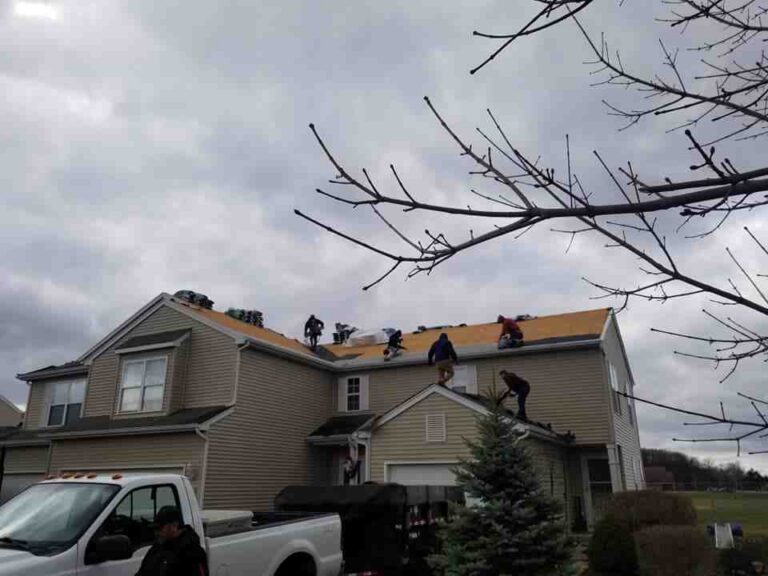
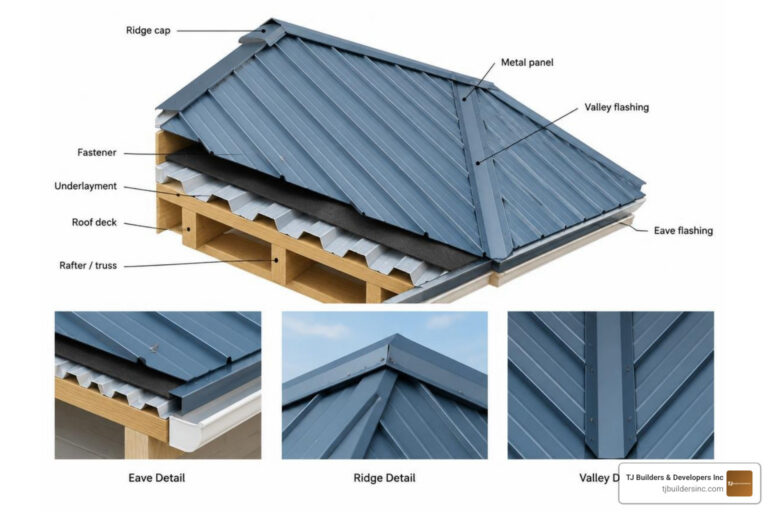
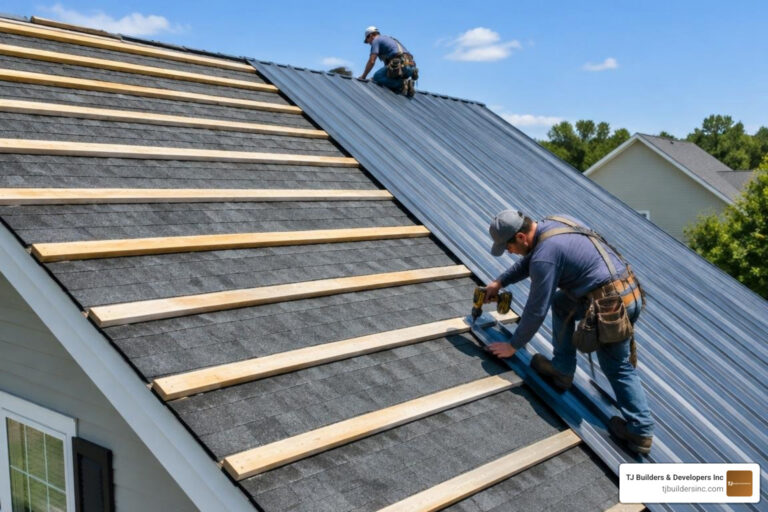
Why It Matters How You Get a Roofer (And How to Do It Right)
When you need to get a roofer, the contractor you choose can mean the difference between a roof that lasts 30 years and one that fails in three. Here’s a quick overview of how to find a reliable one:
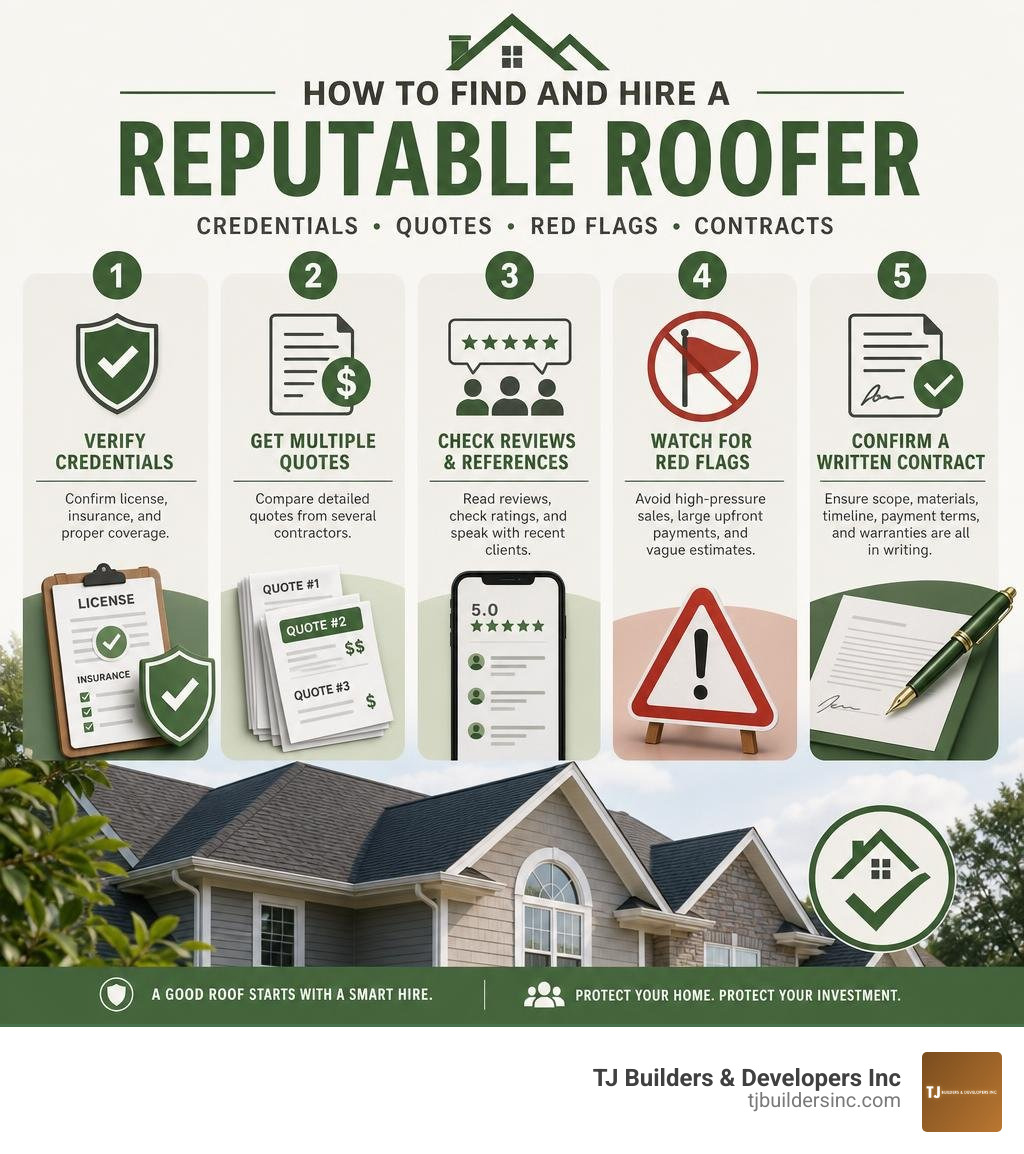
- Verify credentials — Check for a valid state license (where required), general liability insurance, and workers’ compensation coverage.
- Get multiple quotes — Comparing quotes from several contractors can save you significantly on your project.
- Check reviews and references — Look for BBB ratings, Google reviews, and call at least three recent clients.
- Watch for red flags — Avoid contractors who demand large upfront payments or pressure you to sign immediately.
- Confirm a written contract — Make sure warranties, materials, and timelines are all in writing before work begins.
Your roof is one of the most critical parts of your home. It protects everything underneath it — your structure, your belongings, and your family. A bad hire doesn’t just cost money. It can cause water damage, mold, and structural problems that take years to surface.
The challenge most homeowners face isn’t finding a roofer. It’s finding the right one. With so many contractors out there — from established local companies to out-of-state storm chasers — it’s easy to make a costly mistake.
This guide walks you through exactly what to look for, what to avoid, and how to make a confident decision.
I’m Thomas Pruszynski, owner of TJ Builders & Developers Inc., with over 20 years of experience helping Northern Illinois homeowners protect and improve their properties — including helping them get a roofer they can actually trust. In this guide, I’ll share what we’ve learned from working alongside homeowners across Lakewood, Crystal Lake, Schaumburg, and the surrounding suburbs.
How to Get a Roofer with the Right Credentials
When the time comes to get a roofer, your very first step must be confirming their professional credentials. In the roofing industry, credentials are not optional extras; they are the baseline of consumer protection.
In Illinois, professional standards are strictly regulated. Unlike some states where anyone with a ladder and a hammer can call themselves a contractor, Illinois requires all roofing contractors to be officially licensed by the Illinois Department of Financial and Professional Regulation (IDFPR). This license proves that the contractor has passed rigorous examinations, understands local building codes, and maintains the required financial responsibility.
To protect your home and your finances, you must verify three essential pieces of paperwork before allowing any contractor onto your roof:
- Active State License: Always ask for the contractor’s Illinois roofing license number and verify its status. A valid license ensures the business is registered and legally permitted to perform roofing work in our state.
- General Liability Insurance: Your contractor should carry at least $1,000,000 in general liability insurance. This coverage protects your property in the event of accidental damage during the project.
- Workers’ Compensation Insurance: If an installer is injured on your property, workers’ comp ensures that the contractor’s insurance handles the medical costs, protecting you from personal liability.
To streamline this process and avoid the headache of untrustworthy networks, we recommend using reputable verification tools. You can find pre-screened professionals by using resources like Find a Roofer — Vetted, Licensed, Insured. For a deeper understanding of why these standards protect your long-term real estate investment, read through The Homeowner Guide to Certified Roofing Solutions.
Key Questions to Ask Before You Get a Roofer
Before signing any agreement, you should interview your potential contractor. Think of this as a job interview where your home’s structural integrity is on the line. Asking targeted questions helps you separate professional craftsmen from amateur operations.
Here are the most critical questions you should ask:
- Do you offer a workmanship warranty? Do not confuse the manufacturer’s material warranty with a workmanship warranty. While a manufacturer might guarantee the shingles for 30 years, that warranty is void if the shingles are installed incorrectly. A reputable local contractor will stand behind their labor with a dedicated workmanship warranty.
- Are you manufacturer-certified? Top-tier manufacturers only certify contractors who demonstrate consistent quality and complete ongoing training. For example, GAF certified contractors must meet strict standards, allowing them to offer enhanced, non-prorated warranties that protect your roof for up to 50 years.
- Will you perform a complete tear-off? Installing new shingles over an existing layer of shingles might seem like a shortcut, but it often violates local building codes, adds excessive weight to your home’s structure, and hides underlying wood rot. A professional replacement should always involve a complete tear-off.
For a comprehensive checklist of what to ask during your consultation, check out our guide on The A-Z of Roofing Contractors.
Red Flags to Avoid When You Get a Roofer
The roofing industry, unfortunately, attracts its share of bad actors. Knowing how to spot warning signs early can save you from financial loss and substandard work.
The most common threat comes from “storm chasers.” These are out-of-state contractors who travel to areas recently hit by severe hail or windstorms. They knock on doors, offer quick inspections, and pressure homeowners to sign “Assignment of Benefits” (AOB) forms. Once they secure the insurance payout, they often install low-quality materials and disappear. When installation issues or leaks appear a few months later, these companies are long gone, leaving you with no way to claim your warranty.
Another major red flag is an excessive upfront deposit request. Standard deposit norms in the residential roofing industry range between 10% and 30% of the total project cost to secure materials and scheduling. If a contractor demands 50% or more before any materials are delivered or work begins, walk away.
Additionally, avoid high-pressure sales tactics. A reputable local contractor will provide a detailed, written estimate and give you the time you need to make an informed decision. For more tips on navigating these conversations safely, read our advice on How to Pick the Best Local Roofing Companies for Your Home.
Need Help With Your Home?
TJ Builders & Developers handles roofing, siding, gutters, windows, home additions, and fire damage restoration for homes and businesses in Lakewood, Crystal Lake, Schaumburg, and nearby McHenry County towns.
- Free, no-obligation estimates
- Licensed & insured
- 20+ years of local experience
Signs Your Home Needs a Roof Repair or Replacement
Your roof rarely fails without warning. Knowing how to identify the early warning signs of roof damage allows you to address issues before they turn into costly interior emergencies.

Keep an eye out for these common indicators of roof deterioration:
- Missing or Damaged Shingles: High winds can tear shingles completely off, while hail can bruise the asphalt surface, causing protective granules to shed. If you notice bare spots, curling edges, or cracked shingles from the ground, your roof’s primary defense is compromised.
- Active Roof Leaks: Water stains on your ceiling or walls, damp insulation in your attic, or a musty odor are clear indicators that water has breached your roofing system.
- Flashing Damage: Flashing is the thin metal installed around chimneys, dormers, and roof valleys to redirect water. If this flashing is rusted, loose, or peeling, water will quickly find a path into your home.
- Water Damage in the Attic: Regularly inspecting your attic with a flashlight after a heavy rainstorm can help you catch small leaks before they rot your roof decking or ruin your drywall.
Ignoring these issues can lead to severe structural damage. A minor, unaddressed leak can rapidly escalate into a major renovation project by damaging your home’s insulation, rotting wood rafters, and encouraging toxic mold growth. If you notice any of these signs, it is time to schedule a professional Roof Repair.
Understanding Roof Repair Costs and Timelines
When you need to get a roofer, understanding the financial and time commitments helps you plan effectively. While exact costs depend on the pitch, height, and materials of your roof, typical repair costs in Northern Illinois metro areas generally fall into predictable ranges.
Minor shingle repairs, such as replacing a small section of wind-damaged shingles, typically range from $400 to $700. Addressing a localized roof leak, which often involves sealing penetrations or replacing damaged underlayment, averages $500 to $900. Repairing damaged flashing around a chimney or valley usually runs between $600 and $1,200.
To help you visualize what to expect, we have compiled a breakdown of typical repair scopes and their associated timelines:
| Repair Type | Scope of Work | Typical Timeline |
|---|---|---|
| Shingle Patching | Replacing missing or cracked shingles | 1 to 3 Hours |
| Leak Isolation & Fix | Sealing boots, replacing underlayment | 2 to 5 Hours |
| Flashing Restoration | Removing old flashing, installing new metal | 4 to 8 Hours |
| Full Roof Replacement | Complete tear-off and new system install | 1 to 3 Days |

Finding a Reputable Local Contractor in Northern Illinois
The safest way to ensure a high-quality installation is to work with an established contractor who has a physical, permanent address in your community. A local business relies heavily on its regional reputation and is motivated to deliver exceptional workmanship to maintain that trust.
If you live in McHenry County or the surrounding Chicago suburbs, you want a team that understands our volatile Midwestern weather — from freezing winter snows that cause ice dams to humid summer storms. Whether you are looking for contractors in the Village of Lakewood, Crystal Lake, or Schaumburg, prioritizing local expertise is key.
You can verify active local professionals through official manufacturing directories, such as searching for a Find a contractor near Village Of Lakewood, IL. Working with a team that regularly services Roofers in Lakewood IL ensures your project complies with municipal building codes and permit requirements.
For homeowners in neighboring communities, we highly recommend looking at localized resources to find verified, high-quality workmanship:
- If you are in McHenry, check the Best Roofers in Mchenry, IL | GAF Roofing Contractors.
- For those in Algonquin, consult the Best Roofers in Algonquin, IL | GAF Roofing Contractors.
- If you reside in Huntley, explore THE BEST 10 ROOFING NEAR HUNTLEY, IL 60142.
Leveraging Local Directories and Reviews
To find a reliable contractor, combine personal recommendations with digital research. Start by asking friends, family, and neighbors who have recently had exterior work completed. A personal account of a contractor’s cleanliness, communication, and professionalism is incredibly valuable.
Next, verify these recommendations online. Use platforms like RoofersSearch – Find Roofers Near You to find contractors within a 30-mile radius of your home. When reading online reviews, look for consistent patterns. A professional company should have a strong track record of resolving disputes, maintaining clean job sites, and honoring their agreements. Always cross-reference their standing with the Better Business Bureau (BBB) to ensure they maintain an A+ rating. For more localized advice on choosing a contractor in the Cook County suburbs, read our guide on how to Don’t Get Roof-ried Hire the Best Roofing Contractors in Schaumburg.
Need Help With Your Home?
TJ Builders & Developers handles roofing, siding, gutters, windows, home additions, and fire damage restoration for homes and businesses in Lakewood, Crystal Lake, Schaumburg, and nearby McHenry County towns.
- Free, no-obligation estimates
- Licensed & insured
- 20+ years of local experience
Frequently Asked Questions About Hiring a Roofer
How do I verify a roofer’s license and insurance?
In Illinois, you can easily verify a contractor’s license online through the IDFPR license lookup portal. Simply enter the contractor’s business name or license number to confirm that their status is active and free of disciplinary actions. To verify insurance, do not accept a photocopied certificate. Instead, request that the contractor’s insurance agency email a Certificate of Insurance (COI) directly to you, showing active general liability and workers’ compensation coverage.
How long does a typical roof replacement take?
For an average-sized single-family home, a professional roofing crew can complete a full roof replacement in 1 to 3 days. The timeline depends heavily on the size and complexity of your roof, the weather conditions, and the size of the installation crew. A professional team will monitor local weather forecasts closely to ensure your home is never left exposed to rain during the tear-off process.
What are the benefits of manufacturer-certified contractors?
Hiring a manufacturer-certified contractor, such as a GAF Certified installer, ensures that your roof is installed according to strict industry standards. Certified contractors receive ongoing training on the latest installation techniques and materials. Most importantly, certification allows them to offer enhanced, non-prorated manufacturer warranties that cover both materials and labor, protecting your investment for decades to come.
Conclusion
When you need to get a roofer, taking the time to verify credentials, ask the right questions, and choose an established local professional is the best way to protect your home. At TJ Builders & Developers Inc., we believe that high-quality residential construction is built on a foundation of trust, professional workmanship, and long-term property protection.
Whether your home requires a minor repair to address a persistent leak or a complete, certified roof replacement, our team is dedicated to delivering durable, weather-resistant solutions tailored to Northern Illinois climates.

Don’t wait for a small leak to turn into a major structural problem. Contact us today to Schedule a Professional Roof Inspection and ensure your home remains safe and secure for years to come.