Understanding Home Water Damage Restoration: Water Categories, Causes, and Signs
When water enters your home, it doesn’t treat all surfaces equally, nor does all water carry the same level of risk. Effective home water damage restoration begins with understanding the type of water involved and the physical materials affected.
Water Contamination Categories and Damage Classes
Restoration professionals evaluate water intrusion using two primary standards: Categories (which define contamination levels) and Classes (which measure the extent of moisture absorption).
Water Contamination Categories
- Category 1 (Clean Water): Water from a clean source, such as a broken supply line, tub overflow, or clean rainwater. While initially safe, clean water can degrade into Category 2 within 24 to 48 hours if left standing.
- Category 2 (Gray Water): Water containing significant chemical or biological contamination that may cause discomfort or illness. Common sources include washing machine overflows, dishwasher discharge, and sump pump failures.
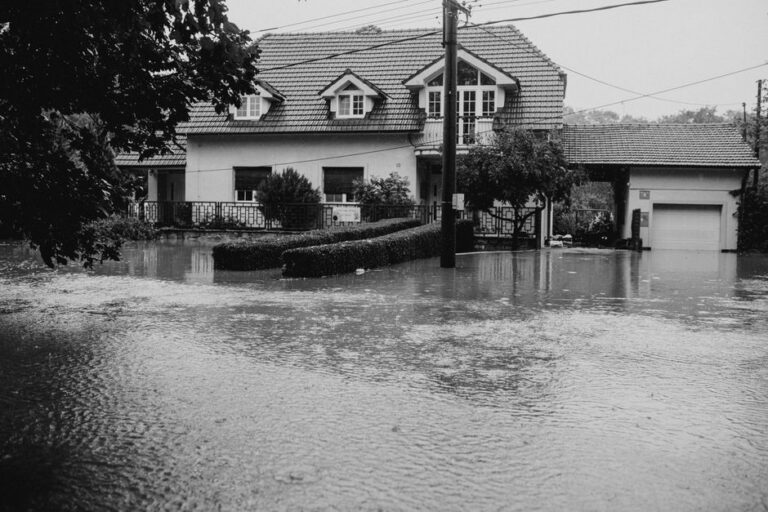
- Category 3 (Black Water): Highly unsanitary water carrying pathogenic agents, bacteria, and harsh pollutants. Sources include sewage backups, rising floodwaters, and standing gray water that has sat for several days. Black water requires specialized personal protective equipment (PPE) and strict biohazard containment.
Damage Classes
- Class 1: Less than 5% of the room’s surface area is wet. Moisture affects low-porosity materials like concrete or tile.
- Class 2: 5% to 40% wet surface area. Water has soaked into carpet, gypsum wallboard, and structural framing.
- Class 3: More than 40% wet surface area. Water typically comes from above (like an upper-floor pipe burst), saturating ceilings, walls, insulation, subfloors, and carpets.
- Class 4 (Specialty Drying): Deeply saturated low-evaporation materials such as hardwood flooring, plaster, brick, and masonry. Restoring these requires specialty drying equipment and extended time.
Common Causes and Early Warning Signs
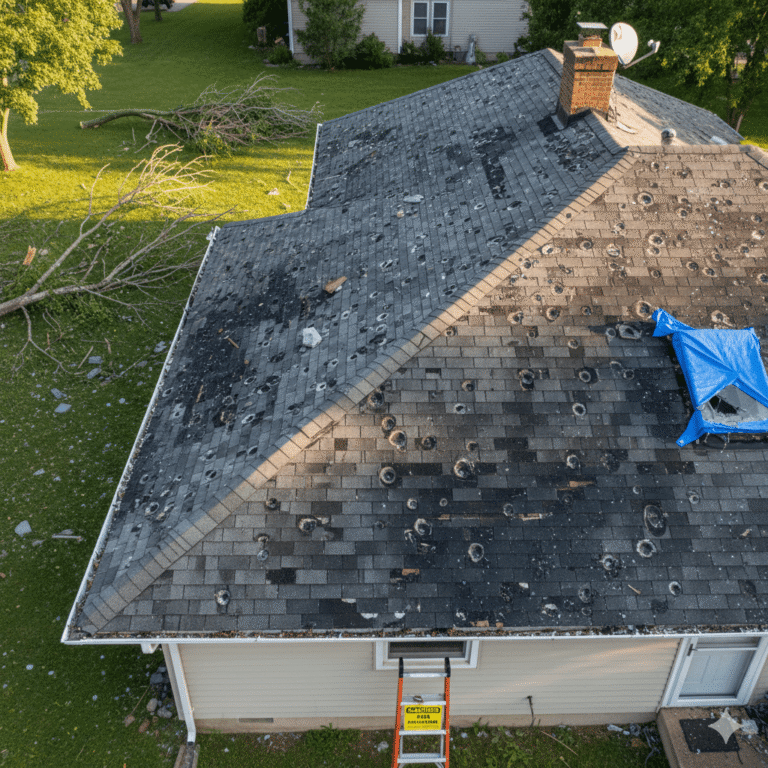
Water intrusion frequently originates from exterior roof failures, plumbing mishaps, or severe Midwest storms. In our service areas—from Crystal Lake and McHenry down to Schaumburg—winter freeze-thaw cycles and spring downpours are leading triggers for unexpected property damage.
Primary Causes of Water Intrusion
- Roof Leaks & Ice Dams: Wind-driven rain, storm damage, or clogged roof drainage can allow water to penetrate beneath shingles, rotting the roof deck and leaking into attics.
- Plumbing System Failures: Burst pipes due to winter freezing, worn appliance lines, or corroded supply connections.
- Gutter & Foundation Issues: Clogged downspouts spill rainwater right next to foundation walls, leading to subterranean basement seepage.
- Sewer Backups: Heavy municipal rainfall can overpower local sewer mains, forcing sewage backward into lower-level drain lines.
Early Warning Signs
Keep an eye out for these subtle indicators before structural damage spreads:
- Water Stains: Discolored rings on ceilings or bubbling paint along interior walls.
- Warped Flooring: Cupping hardwood planks, buckled laminate, or soft spots in vinyl flooring.
- Musty Odors: Stale, earthy smells that persist even after cleaning, signaling unseen dampness behind drywall or beneath subflooring.
- Peeling Paint or Blistering Wallpaper: Trapped moisture forcing finishes to detach from drywall surfaces.
If you suspect exterior leaks or damaged roofing materials are letting water into your attic, addressing the roof envelope quickly with Emergency Roof Repair & Leak Detection is vital to stopping active intrusion.
The Step-by-Step Professional Restoration Process
Restoring a home properly takes more than setting up a household fan and opening a few windows. Scientific home water damage restoration relies on precise psychrometric drying principles, commercial moisture mapping, and thorough containment.
Essential Steps for Successful Home Water Damage Restoration
When our restoration crews arrive on site, we execute a systematic workflow designed to stabilize the home and extract moisture safely.
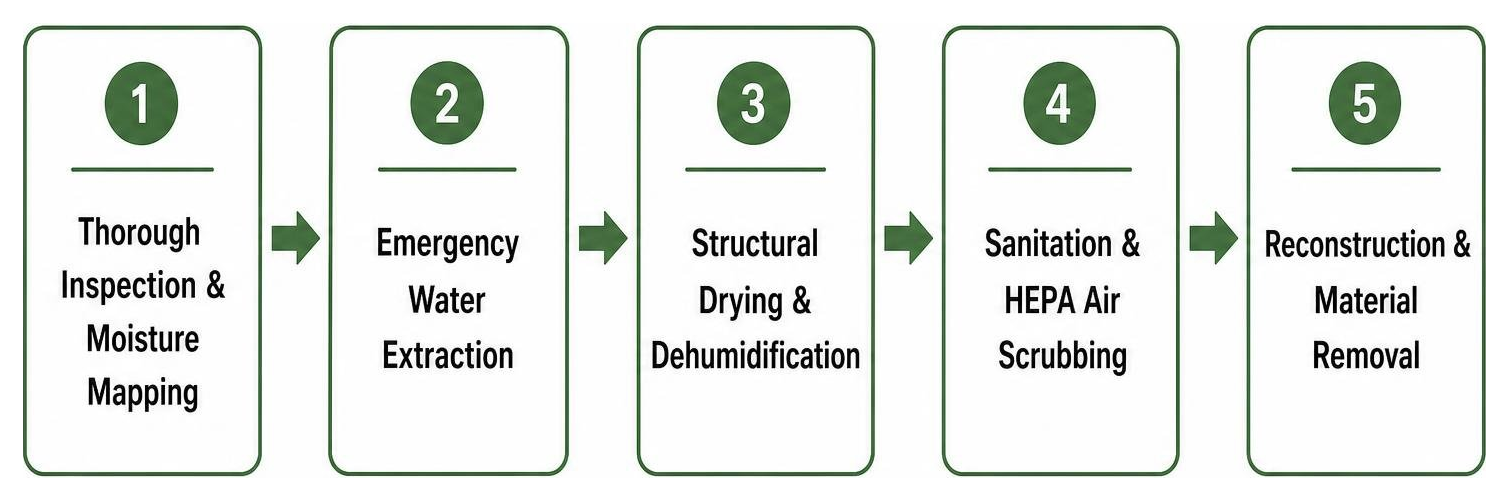
- Thorough Inspection & Moisture Mapping: Technicians evaluate structural integrity and locate hidden water pockets using non-invasive moisture meters and infrared thermal imaging cameras.
- Emergency Water Extraction: Industrial submersible pumps and truck-mounted vacuum systems pull standing water out of carpets, subfloors, and concrete bases to halt vertical migration.
- Structural Drying & Dehumidification: Heavy-duty air movers drive trapped moisture out of wall cavities, while commercial desiccant or LGR dehumidifiers extract humidity from the air.
- Sanitation & HEPA Air Scrubbing: Surfaces are treated with EPA-registered antimicrobial solutions to eliminate bacteria. HEPA-filtered air scrubbers continuously purify indoor air, catching floating mold spores.
- Reconstruction & Material Removal: Structural elements that cannot be safely restored—such as saturated drywall below flood lines or degraded carpet padding—are removed and replaced to restore structural integrity.
Restoration Timeline and Drying Duration
A standard structural drying project takes 3 to 5 days to complete, assuming water extraction begins promptly within the first 24 hours.
Throughout the drying cycle, technicians take daily psychrometric readings—tracking ambient temperature, relative humidity, and grains per pound (GPP) of water vapor. This ensures materials reach pre-loss moisture levels before cosmetic repairs begin.
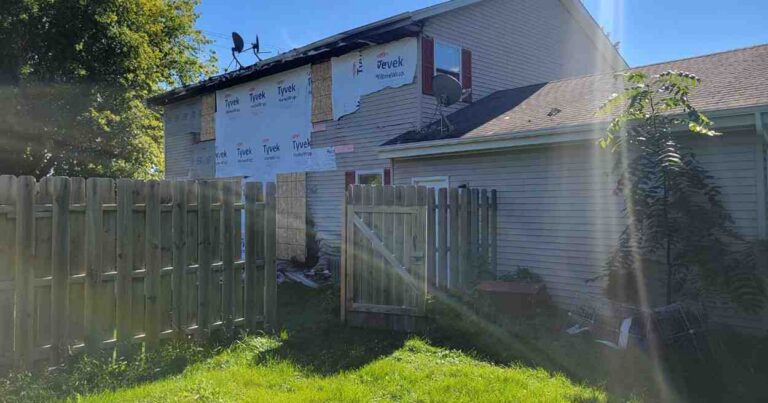
For homes suffering structural roof or siding damage after severe Midwest weather, combining interior water mitigation with Storm & Hail Damage Restoration ensures your exterior shell is fully sealed against future rain.
Need Help With Your Home?
TJ Builders & Developers handles roofing, siding, gutters, windows, home additions, and fire damage restoration for homes and businesses in Lakewood, Crystal Lake, Schaumburg, and nearby McHenry County towns.
- Free, no-obligation estimates
- Licensed & insured
- 20+ years of local experience
Hiring Professionals vs. DIY and Cost Factors
Homeowners often wonder whether they can handle water cleanup themselves with a shop vacuum and box fans. While mopping up a minor kitchen spill is completely fine, widespread water damage requires commercial-grade extraction, thermal detection, and microbial control.
When to Call Professional Home Water Damage Restoration Specialists
Attempting DIY cleanup on significant water loss carries serious long-term risks:
- Hidden Moisture: Water easily travels down wall studs, beneath subfloors, and into ceiling joists. Surface drying leaves deep moisture behind, causing concealed structural rot.
- Biohazard Hazards: Category 2 and Category 3 water carries pathogens that standard household cleaners cannot safely eliminate.
- Mold Germination: Household fans merely blow mold spores around the home unless containment barriers and HEPA air filtration are used.
- Insurance Claim Rejections: Insurers often deny secondary mold claims if initial mitigation failed to follow official IICRC drying standards.
Calling certified restoration specialists ensures your home is dried according to established industry protocols, preserving both structural safety and property value. If interior flooding stems from top-down storm damage, reviewing guidelines on How to Restore Your Roof After Water and Flood Damage will help you protect your building structure from top to bottom.
Restoration Costs and Insurance Coverage
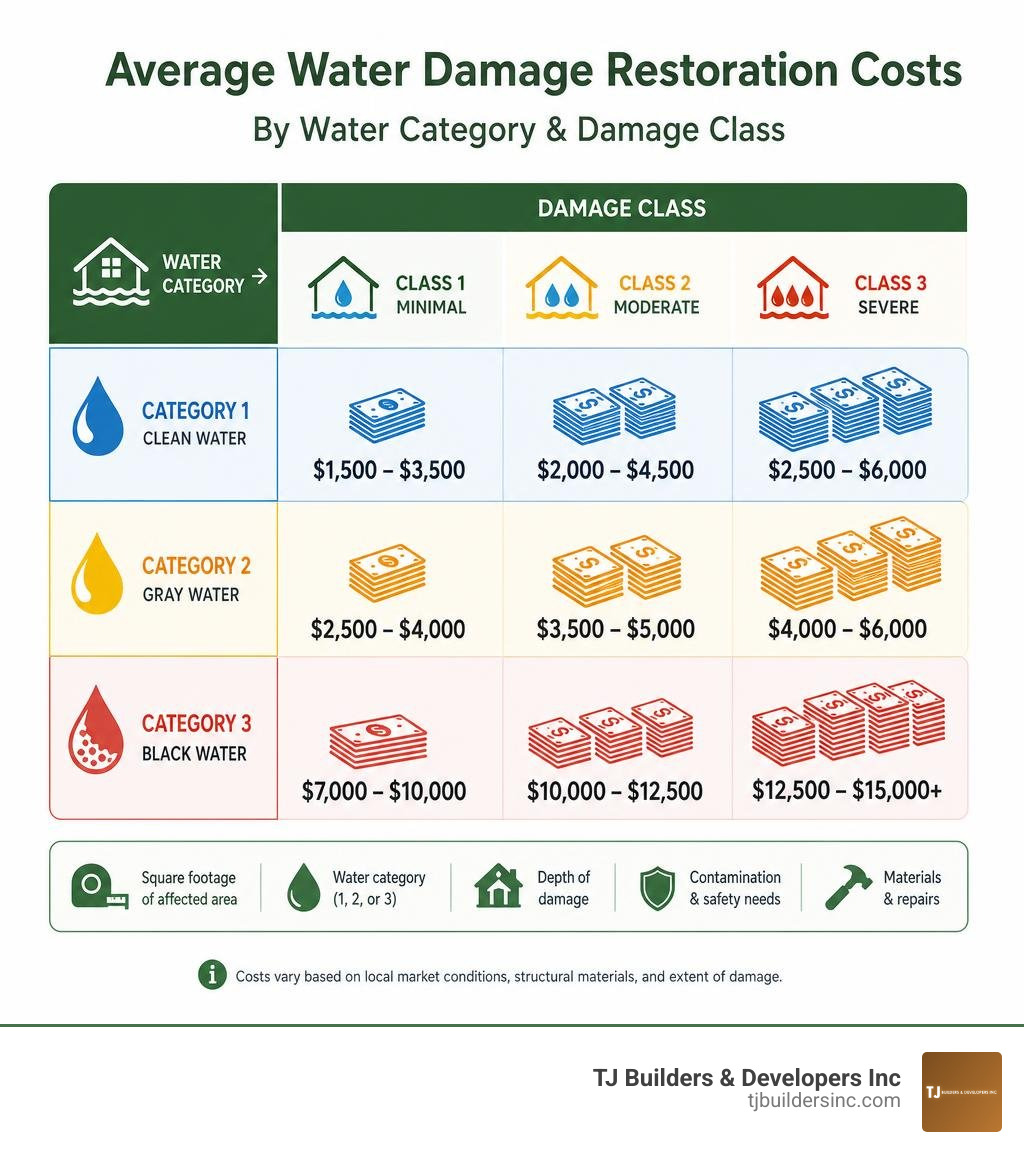
The total investment required for home water damage restoration depends on square footage, water category, and how deeply moisture has penetrated the structure.
Typical Cost Factors
- Clean Water (Category 1): Generally ranges between $1,500 and $3,500 for drying and minor structural repairs.
- Gray Water (Category 2): Typically spans $2,500 to $6,000 due to necessary sanitization and disposal of impacted porous materials.
- Black Water (Category 3): Can exceed $7,000 to $15,000+ depending on affected square footage, biohazard remediation protocols, and structural reconstruction needs.
Navigating Homeowners Insurance
Most standard homeowners insurance policies cover sudden and accidental water damage, such as a burst frozen pipe, water heater rupture, or storm-driven roof tear. However, policies routinely exclude:
- Gradual Leaks: Water damage caused by deferred maintenance or unaddressed minor drips over several months.
- Rising Floodwaters: Regional overland flooding requires a separate policy through the National Flood Insurance Program (NFIP).
To streamline your claim, photograph all damaged areas and belongings before cleanup begins, keep detailed logs of communication with your carrier, and work with restoration professionals who provide itemized moisture logs directly to insurance adjusters.
Proactive Strategies to Prevent Water Damage in Your Home

Preventing water intrusion is far easier and less disruptive than restoring a flooded home. Protecting your property requires keeping up with routine maintenance across your roof, gutters, and interior plumbing systems.
- Inspect Your Roof and Attic Regularly: Check shingles for wear, storm damage, or missing flashing. Ensure your attic insulation and ventilation are balanced to prevent ice dams during Northern Illinois winters.
- Maintain Gutters and Downspouts: Clean debris out of gutters at least twice a year. Extend downspouts at least 5 feet away from your exterior foundation walls to direct water runoff away from basement spaces.
- Insulate Exposed Plumbing: Cover vulnerable pipes in unheated crawl spaces, basements, and exterior walls with foam pipe insulation to prevent winter freeze bursts.
- Know Your Main Shut-Off Valve: Make sure everyone in your home knows where the main water shut-off valve is located and how to close it quickly in an emergency.
- Install Leak Detection Sensors: Place smart wireless water sensors near water heaters, washing machines, and sump pump basins to catch minor drips before they turn into full-scale floods.
Implementing exterior waterproofing measures is another smart line of defense. Reading up on How to Fix Roof Leakage Waterproofing Issues for Lasting Results offers helpful strategies for sealing your home’s roof against heavy downpours.
Need Help With Your Home?
TJ Builders & Developers handles roofing, siding, gutters, windows, home additions, and fire damage restoration for homes and businesses in Lakewood, Crystal Lake, Schaumburg, and nearby McHenry County towns.
- Free, no-obligation estimates
- Licensed & insured
- 20+ years of local experience
Frequently Asked Questions About Water Damage Restoration
How quickly does mold start growing after water intrusion?
Mold spores can germinate and begin actively growing within 24 to 48 hours under warm, moist conditions. High interior relative humidity (above 60%) accelerates microbial growth. This narrow timeframe is why immediate water extraction and professional dehumidification are critical following any water incident.
Does homeowners insurance cover all types of water damage?
No. Standard home policies generally cover sudden, accidental incidents—like an unexpected pipe burst, broken supply hose, or storm damage. They usually do not cover gradual leaks that develop over time due to neglected maintenance, nor do they cover rising groundwater from natural flooding unless you carry a dedicated flood insurance policy.
How do I know if moisture is trapped behind my walls?
Hidden moisture often reveals itself through soft or squishy drywall, peeling paint, blistering wallpaper, discolored yellow stains, or persistent musty odors. Professional restoration specialists use non-destructive thermal imaging cameras and specialized pinless moisture meters to detect trapped water behind walls without cutting into drywall unnecessarily.
Protecting Your Home with Expert Exterior and Water Restoration

Water damage can be overwhelming, but taking fast action with the right restoration partner restores both your property and your peace of mind. Protecting your home long-term means addressing immediate interior drying while ensuring your roof, gutters, siding, and waterproofing barriers are built to withstand severe local weather.
At TJ Builders & Developers Inc, based in Lakewood, IL, we bring over two decades of residential exterior construction, roof replacement, and restoration experience to homeowners across Northern Illinois. Serving communities including Crystal Lake, Lake in the Hills, Schaumburg, Huntley, Woodstock, and surrounding areas, our team delivers durable craftsmanship and reliable protection.
Whether you’re repairing severe storm damage or reinforcing your exterior building envelope against future heavy rains, explore our comprehensive Roof Waterproofing Services to keep your home safe, dry, and protected for years to come.