Your Path to Recovery After a Fire in Schaumburg
Fire damage restoration Schaumburg services help homeowners recover after a devastating fire by providing comprehensive cleanup, repair, and rebuilding solutions. Professional restoration companies handle everything from initial damage assessment and debris removal to smoke odor elimination and complete structural reconstruction.
What to Expect from Fire Damage Restoration in Schaumburg:
- Emergency Response – 24/7 availability with rapid response times (often within 90 minutes)
- Damage Assessment – Thorough inspection of fire, smoke, water, and structural damage
- Property Securing – Board-up services and roof tarping to prevent further damage
- Cleanup Services – Soot removal, smoke odor elimination, and debris clearing
- Water Mitigation – Extraction and drying from firefighting efforts (mold can start growing in 24-48 hours)
- Reconstruction – Structural repairs, drywall replacement, and complete rebuilding
- Insurance Assistance – Documentation and coordination with insurance providers
Experiencing a house fire is one of the most overwhelming events a homeowner can face. The immediate aftermath brings confusion, fear, and uncertainty about what comes next.
But here’s the truth: recovery is possible. With the right professional help, Schaumburg homeowners can steer the path from disaster to a fully restored home.
Fire damage extends far beyond what you can see. While charred walls and burnt belongings are obvious, hidden dangers lurk beneath the surface. Toxic chemicals released from burning synthetic materials penetrate deep into building materials. Water damage from firefighting efforts can trigger mold growth within 24 to 48 hours. Structural weakening may not be visible to the untrained eye.
According to the National Fire Protection Association, structural fires account for well over 30% of all reported fires and cause over $7 billion in property damage each year. That’s why attempting DIY cleanup isn’t just ineffective—it’s dangerous.
Professional fire damage restoration services in Schaumburg bring specialized equipment, certified expertise, and proven processes to restore your home’s safety and comfort. They handle every stage of recovery, from the moment you make that emergency call through the final reconstruction.

Need Help With Your Home?
TJ Builders & Developers handles roofing, siding, gutters, windows, home additions, and fire damage restoration for homes and businesses in Lakewood, Crystal Lake, Schaumburg, and nearby McHenry County towns.
- Free, no-obligation estimates
- Licensed & insured
- 20+ years of local experience
First 24 Hours: Immediate Steps After a Fire
The moments immediately following a fire can feel chaotic, but taking the right steps can significantly impact your safety and the success of the restoration process. Your safety and the safety of your loved ones should always be the absolute priority.
Once the fire department has deemed the property safe to approach (but not necessarily to enter!), there are several critical actions to take:
- Safety First: Ensure everyone is accounted for and safe. If anyone sustained injuries, seek immediate medical attention. Your local fire department and emergency services are there to help.
- Contacting Family and Support Network: Reach out to family, friends, or neighbors for emotional support and practical assistance.
- Finding Temporary Shelter: Your home might be uninhabitable for a period. Arrange for temporary accommodation with family, friends, or a hotel.
- Calling Your Insurance Agent: Notify your insurance company as soon as possible. They will guide you through the claims process and explain your policy coverage. Many professional restoration companies can also assist with this process, helping to document damage and streamline communications.
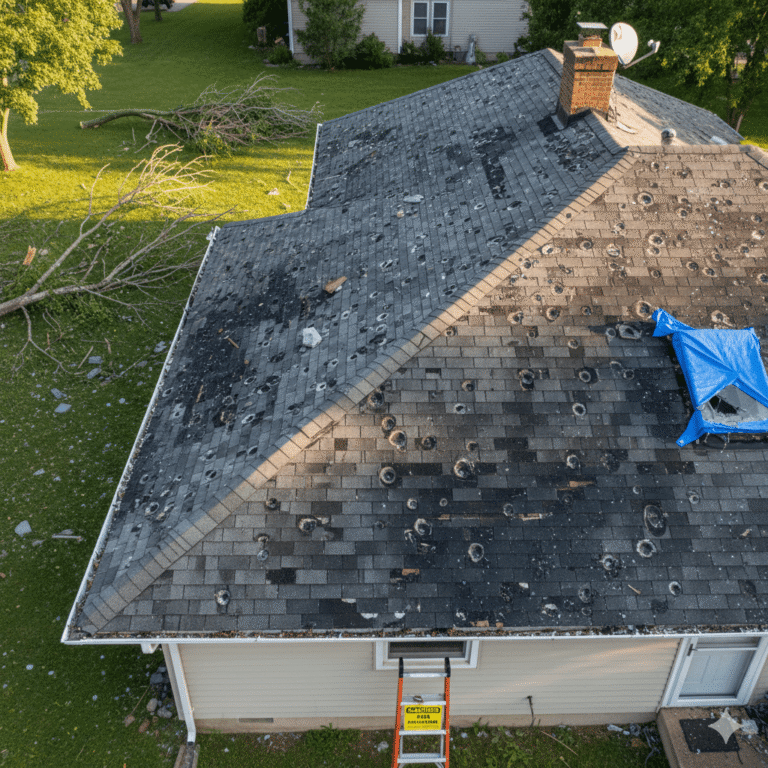
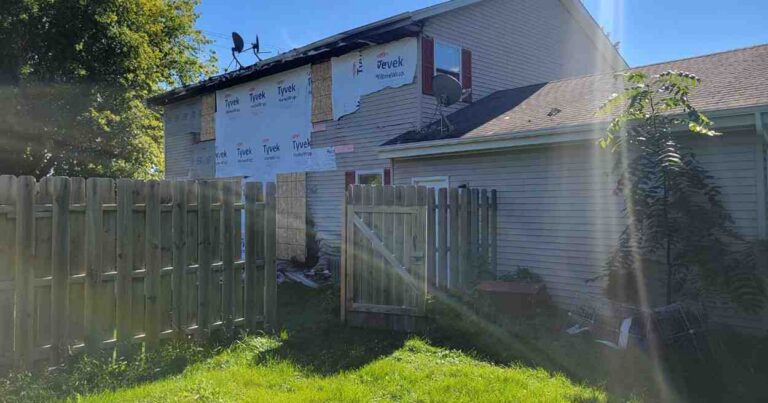
- Securing the Property: Even if the fire is out, your home remains vulnerable. Broken windows, doors, or damaged roofs can expose your property to weather, animals, and unauthorized access. Professional restoration teams offer board-up services and roof tarping to protect your property from further damage. This is a crucial step to prevent additional losses and maintain safety.
- What Not to Do: This is just as important as what to do. Do not attempt to re-enter your home without official clearance. Structural integrity might be compromised, and toxic fumes can still be present. Avoid trying to clean up any fire damage yourself, as this can worsen the damage, expose you to health hazards, and complicate insurance claims. For instance, attempting DIY cleanup can worsen damage and pose health risks due to the unseen dangers of toxic chemicals and gases released during fires. We always recommend contacting professionals immediately.
- 24/7 Emergency Response: Many professional fire damage restoration services in Schaumburg, IL, offer 24/7 emergency response. This means they can be on-site quickly, often within hours, to assess the damage, secure your property, and begin the mitigation process, which is vital given how quickly secondary damage like mold can set in.
For more comprehensive safety tips, we encourage you to consult the National Fire Protection Association safety tips. They provide invaluable guidance on fire safety and what to do in an emergency. You can also review general background information on residential fires and fire safety on Wikipedia’s “Fire safety” page as an additional reference.
The Complete Guide to Fire Damage Restoration Schaumburg Services
When fire strikes, it leaves behind a complex array of damage that requires specialized knowledge and equipment to address. Professional fire damage restoration Schaumburg services are designed to tackle every aspect of this challenge, bringing your property back to its pre-fire condition.
Understanding the Types of Damage
Fire damage is rarely just about what’s burned. It’s a multi-faceted problem with several layers of destruction:
- Fire Damage: This is the most obvious, involving direct charring and destruction of materials by flames. The intensity of the fire can compromise structural elements, leading to significant rebuilding needs.
- Smoke Damage: Smoke, a byproduct of combustion, can travel throughout your property, even to areas untouched by flames. It leaves behind corrosive residues that can discolor surfaces, etch glass, and penetrate porous materials. The type of smoke (wet, dry, protein, fuel oil) dictates the cleaning method required.
- Soot Residue: Soot consists of tiny, oily particles that settle on every surface, often invisible to the naked eye. It’s highly acidic and can cause permanent staining and deterioration if not properly removed.
- Lingering Odors: The smell of smoke can permeate everything—walls, furniture, clothing, and even the HVAC system. These odors are notoriously difficult to remove and require specialized deodorization techniques to neutralize rather than just mask.
- Structural Compromise: Heat from a fire can weaken structural components like beams, walls, and foundations, even if they aren’t directly burned. This can make the property unsafe and requires a thorough structural assessment by experts.
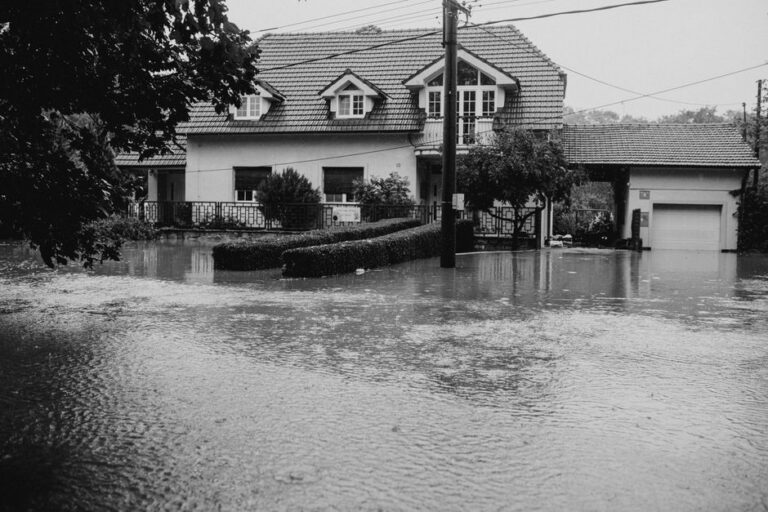
- Water Damage from Firefighting: While essential for extinguishing the blaze, the water used by firefighters can cause significant secondary damage. This includes soaked carpets, drywall, insulation, and electrical systems, creating an immediate need for water extraction and drying.
- Mold Growth Risk: Here’s a sneaky culprit: if wet building materials are left untreated, mold can begin growing in as little as 24-48 hours. This introduces additional health hazards and complicates the restoration process, emphasizing the need for rapid water mitigation.
- Toxic Chemicals: Modern building materials and household items release toxic chemicals and gases when they burn. These harmful substances can settle as residues throughout your property, posing health risks and requiring professional handling and cleanup.
Core Restoration Services Explained
Professional fire damage restoration Schaumburg companies offer a comprehensive suite of services to address these varied damages:
- Damage Assessment: The first crucial step involves a thorough inspection to determine the full extent of the fire, smoke, soot, and water damage, including any hidden issues like structural weakening. This assessment informs a detailed restoration plan.
- Debris Removal: Charred and unsalvageable materials are carefully removed and disposed of safely, clearing the way for cleaning and reconstruction.
- Water Extraction & Drying: If water was used to extinguish the fire, immediate water extraction and industrial-grade drying equipment are deployed to prevent further damage and inhibit mold growth.
- Smoke and Soot Cleanup: Specialized cleaning agents and techniques are used to carefully remove smoke and soot residues from all surfaces, including walls, ceilings, fixtures, and personal belongings.
- Odor Elimination: Advanced deodorization methods, such as air scrubbers and thermal fogging, are employed to neutralize persistent smoke odors, ensuring your home smells fresh and clean.
- Content Restoration: Many personal belongings, though affected by smoke or soot, can often be restored. Professionals offer pack-out services, cleaning, sanitizing, and storing items until your home is ready.
- Structural Repairs: Once the property is clean and dry, structural repairs begin. This can range from minor repairs to extensive rebuilding, ensuring the safety and integrity of your home.
- For more information about the comprehensive services we offer, from roofing to fire damage restoration, please visit our services page at More info about our comprehensive services.
Common Causes of Residential Fires
Understanding the common culprits behind residential fires can help us all be more vigilant. While accidents happen, many fires stem from preventable causes. In the Schaumburg area, and across the nation, some of the most frequent causes include:
- Cooking Equipment: Unattended cooking, grease fires, and malfunctioning appliances are leading causes. A moment’s distraction can lead to disaster.
- Heating Systems: Furnaces, space heaters, and fireplaces can all pose a risk if not properly maintained or used. Ensuring proper clearances and regular inspections is vital.
- Electrical Malfunctions: Faulty wiring, overloaded circuits, and defective electrical equipment can ignite fires, often without warning.
- Smoking Materials: Carelessly discarded cigarettes or other smoking materials are a significant cause of residential fires, especially if not fully extinguished.
- Clothes Dryers: Lint buildup in dryer vents is highly flammable. Regular cleaning of lint traps and dryer vents is a simple yet crucial preventative measure.
- Arson: While less common, intentionally set fires can occur, causing devastating damage.
- Lightning: Although less frequent, lightning strikes can ignite structural fires, especially in regions prone to thunderstorms.
Need Help With Your Home?
TJ Builders & Developers handles roofing, siding, gutters, windows, home additions, and fire damage restoration for homes and businesses in Lakewood, Crystal Lake, Schaumburg, and nearby McHenry County towns.
- Free, no-obligation estimates
- Licensed & insured
- 20+ years of local experience
The Restoration Roadmap: A Step-by-Step Process
Navigating the aftermath of a fire can feel overwhelming, but a clear, systematic approach to restoration makes the journey manageable. Professional fire damage restoration Schaumburg services follow a proven roadmap to bring your property back to life.
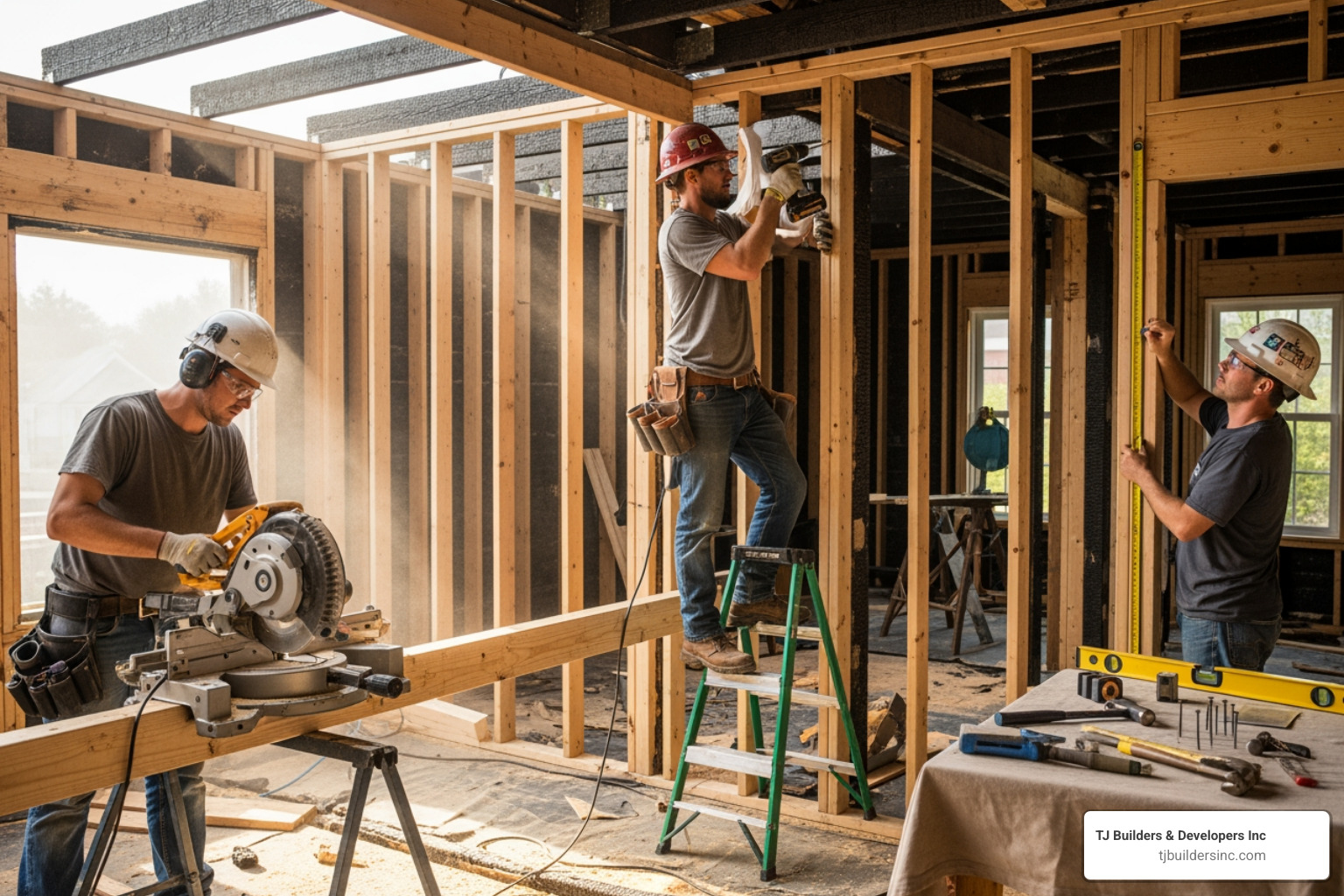
Step 1: Emergency Contact & Damage Assessment
The restoration journey begins with your call. Professional restoration companies understand the urgency and offer 24/7 availability, often responding within hours.
- Initial Inspection: Our certified technicians conduct a thorough initial inspection. This isn’t just about what’s visibly burned; it’s about identifying the full scope of damage, including smoke penetration, soot residue, water damage from firefighting efforts, and potential structural issues.
- Identifying Scope of Damage: We assess the type of fire, the materials burned, and how far smoke and soot have traveled. We look for hidden problems like structural weakening or potential mold growth areas.
- Forming a Tactical Plan: Based on our detailed assessment, we develop a comprehensive restoration plan custom to your property’s specific needs. This plan outlines the necessary steps, equipment, and timeline.
- Safety Evaluation: Before any work begins, we conduct a thorough safety evaluation to identify and mitigate any immediate hazards, ensuring the safety of everyone involved.
Step 2: Property Securing & Water Mitigation
Once the assessment is complete, immediate actions are taken to stabilize the property and prevent further damage.
- Boarding Up Windows and Doors: If windows or doors are broken, we board them up to protect your property from weather, pests, and unauthorized entry.
- Tarping Damaged Roofs: For roofs compromised by fire, heat, or firefighting efforts, we install temporary tarps to prevent water intrusion from rain or other elements.
- Preventing Unauthorized Access: These securing measures are crucial not only for environmental protection but also to deter looting or vandalism.
- Extracting Water from Firefighting Efforts: If water was used to extinguish the fire, rapid water extraction is paramount. We use powerful pumps and vacuums to remove standing water quickly.
- Industrial Dehumidifiers: Following extraction, we deploy industrial-grade dehumidifiers and air movers to thoroughly dry out all affected materials, preventing secondary damage like swelling, warping, and especially mold growth, which, as we know, can begin in just 24-48 hours.
Step 3: Soot, Smoke & Debris Removal
This stage focuses on clearing out the ruined materials and beginning the meticulous process of cleaning.
- Removing Charred Materials: All unsalvageable debris, including charred wood, insulation, and personal items, is carefully removed and disposed of according to local regulations.
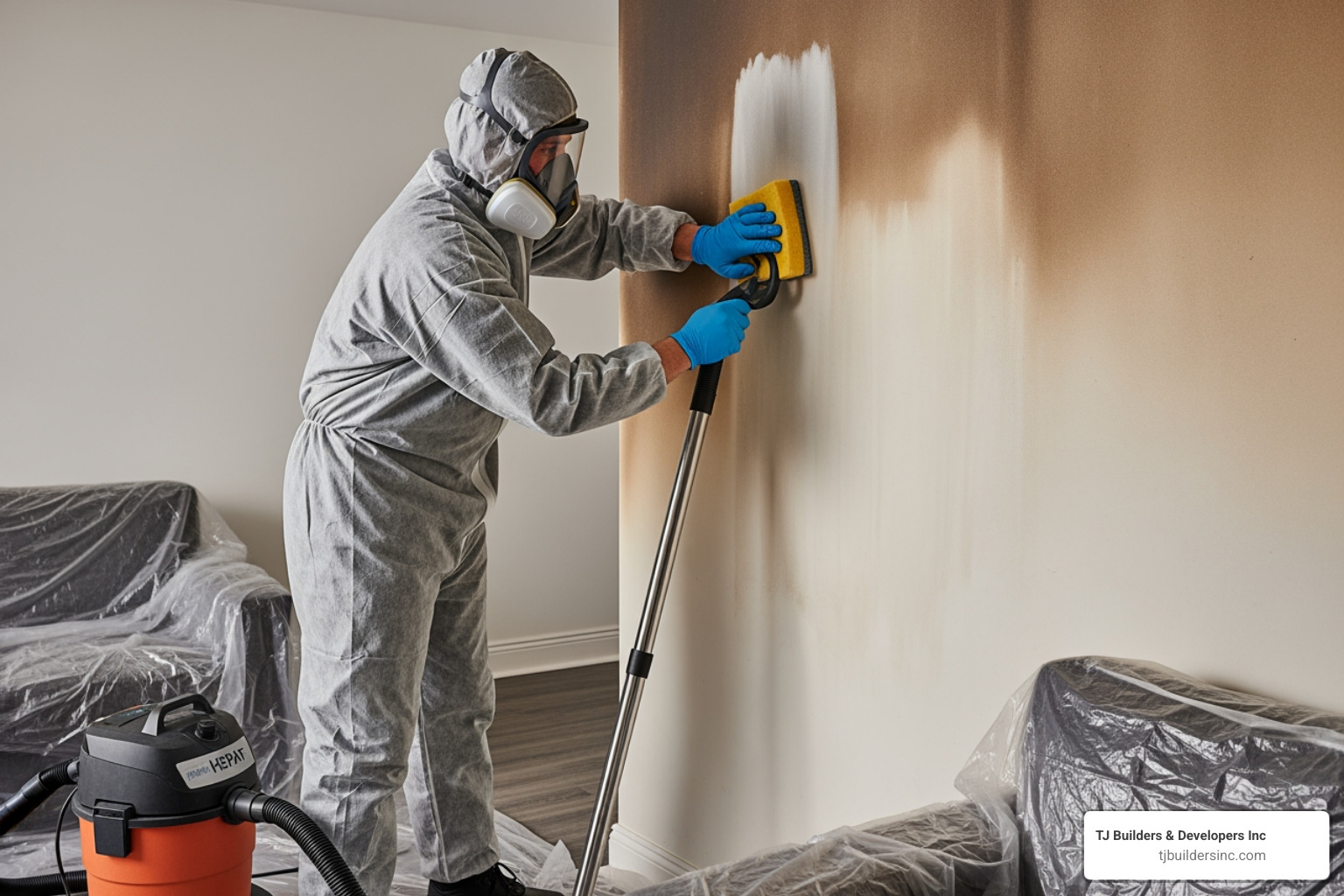
- Specialized Cleaning Techniques: Soot and smoke residues require specific cleaning methods. We don’t just wipe them away; we use specialized chemical sponges, detergents, and techniques to effectively lift and remove these corrosive particles from various surfaces.
- Cleaning Soot from All Surfaces: This is a painstaking process that involves cleaning every surface—walls, ceilings, floors, fixtures—to remove soot and prevent further etching or staining.
- Air Scrubbers: These powerful machines are used to filter the air, removing airborne soot particles, dust, and other contaminants, significantly improving indoor air quality.
- Thermal Fogging: For deep-seated smoke odors, thermal fogging can be employed. This process uses a fogging agent that neutralizes odor particles at a molecular level, effectively eliminating persistent smells.
Step 4: Cleaning, Sanitizing & Odor Removal
With the major debris gone and initial soot removed, the focus shifts to detailed cleaning, sanitizing, and complete odor eradication.
- Cleaning Salvageable Items: Many items that appear damaged can be restored. We carefully clean, sanitize, and deodorize salvageable contents, sometimes using specialized techniques like ultrasonic cleaning for delicate items. Professional content cleaning services often include pack-out, where items are inventoried, moved to a secure facility for cleaning, and then returned.
- Disinfecting Surfaces: Fire and firefighting efforts can leave behind contaminants. We sanitize all affected surfaces using professional-grade disinfectants to ensure a healthy and safe environment.
- Neutralizing Persistent Smoke Odors: This is a critical step. Lingering smoke odors can make a restored home feel uncomfortable. We use advanced deodorization techniques, often in conjunction with air scrubbers and thermal foggers, to eliminate odors at their source, not just mask them.
- HVAC System Cleaning: Smoke and soot can infiltrate your HVAC system, spreading odors and contaminants throughout your home. Cleaning the ductwork is essential for complete odor removal and healthy air circulation.
Step 5: Reconstruction & Repair
- Rebuilding Damaged Structures: This involves repairing or replacing structural elements like framing, subflooring, and walls that were compromised by fire.
- Installing New Drywall: Burned or smoke-damaged drywall is removed and replaced with new, clean sheets, providing a fresh canvas for your home.
- Replacing Flooring: Damaged flooring, whether hardwood, carpet, or tile, is removed and new flooring is installed.
- Roof Repair and Replacement: For roofs damaged by fire, we provide expert roof repair and replacement services, ensuring your home is protected from the elements.
- Window Installation: If windows were broken or warped, new window installation is performed, restoring energy efficiency and security.
- Siding Replacement: Exterior siding affected by heat or flames is carefully removed and new siding replacement is installed, enhancing curb appeal and protection.
- Painting: Fresh paint throughout the affected areas completes the aesthetic restoration, covering any residual staining and providing a clean finish.
- Final Inspection: Before we consider the job complete, a thorough final inspection is conducted to ensure every aspect of the restoration meets our high standards and your complete satisfaction.
Why Professional Restoration is Crucial (And DIY is Dangerous)
After a fire, many homeowners might consider attempting some cleanup themselves to save money or time. However, when it comes to fire damage restoration Schaumburg, going the DIY route can be risky, ineffective, and ultimately more costly.
Signs You Need Professional Fire Damage Restoration in Schaumburg
How do you know when it’s time to call in the experts? Look for these clear indicators:
- Visible Soot on Walls, Ceilings, or Furniture: Soot is corrosive and requires specialized cleaning to prevent permanent damage.
- Persistent Smoke Smell: If the smoke odor lingers despite airing out the house, it means the particles have deeply permeated materials, requiring professional deodorization.
- Warped or Discolored Surfaces: Heat and smoke can cause materials to warp, bubble, or change color, indicating deep-seated damage that needs expert assessment.
- Water-Logged Drywall or Floors: This is a clear sign of water damage from firefighting efforts, creating an urgent need for drying and mold prevention.
- Structural Sagging or Cracks: Any visible compromise to the building’s structure, no matter how minor, warrants immediate professional attention for safety reasons.
The Risks of DIY vs. The Benefits of a Pro
| Feature | DIY Restoration | Professional Restoration |
|---|---|---|
| Safety | High risk of exposure to airborne toxins, soot, and structural hazards. Lack of proper personal protective equipment (PPE). | Trained and certified technicians who follow strict safety protocols. |
| Effectiveness | Superficial cleaning often leaves behind hidden moisture, soot, and odors, leading to long-term problems like mold and structural decay. | Thorough, deep cleaning and restoration using proven methods to eliminate all traces of damage, including hidden moisture and odors. |
| Time & Effort | Extremely time-consuming and physically demanding. What takes a homeowner weeks can often be done by a professional team in days. | Efficient and systematic process gets you back in your home faster. |
| Cost | May seem cheaper initially, but the cost of missed damage, improper cleaning, and potential health issues can be far greater in the long run. | Provides a detailed, upfront estimate. Helps prevent long-term costs by doing the job right the first time. Often works directly with your insurance. |
| Insurance | Insurance companies prefer working with certified professionals. DIY efforts can complicate or even jeopardize your claim. | Professionals provide the detailed documentation and estimates that insurance companies require, streamlining the claims process. |
| Equipment | Lacks access to industrial-grade equipment like thermal foggers, HEPA air scrubbers, and advanced moisture detection tools. | Uses state-of-the-art equipment for effective and efficient cleaning, drying, and deodorization. |
| Expertise | Without IICRC certification and experience, it’s impossible to know the correct procedures for different types of smoke and soot damage. | IICRC-certified professionals have the knowledge to handle any situation, ensuring a complete and safe restoration. |
| Peace of Mind | Constant worry about missed spots, lingering odors, and future problems. | Confidence that the job is done correctly, your home is safe, and your investment is protected. |
Health Hazards of DIY Fire Cleanup
The aftermath of a fire is a hazardous environment. Soot and smoke residue contain toxic chemicals and carcinogens that can be absorbed through the skin or inhaled. These include:
- Asbestos: Often found in older homes in insulation, flooring, and ceiling tiles.
- Lead: Can be present in older paint.
- VOCs (Volatile Organic Compounds): Released from burning plastics and synthetic materials.
Without the proper training and personal protective equipment (PPE), you risk serious health complications. Professional restoration teams are equipped with respirators, full-body suits, and the knowledge to handle these hazardous materials safely.
The Importance of Professional Equipment
Consumer-grade cleaning products and equipment are simply not powerful enough to tackle fire damage. Professionals use:
- HEPA (High-Efficiency Particulate Air) Vacuums and Air Scrubbers: To capture microscopic particles from the air and surfaces.
- Ozone Generators and Thermal Foggers: To neutralize and eliminate stubborn smoke odors that have penetrated deep into materials.
- Industrial-Grade Dehumidifiers and Fans: To rapidly dry out moisture and prevent mold growth.
Attempting to clean with household supplies will likely just smear the soot, pushing it deeper into porous surfaces and making the problem worse.