Choosing Insurance Claim Roofing Experts for a Durable Roof
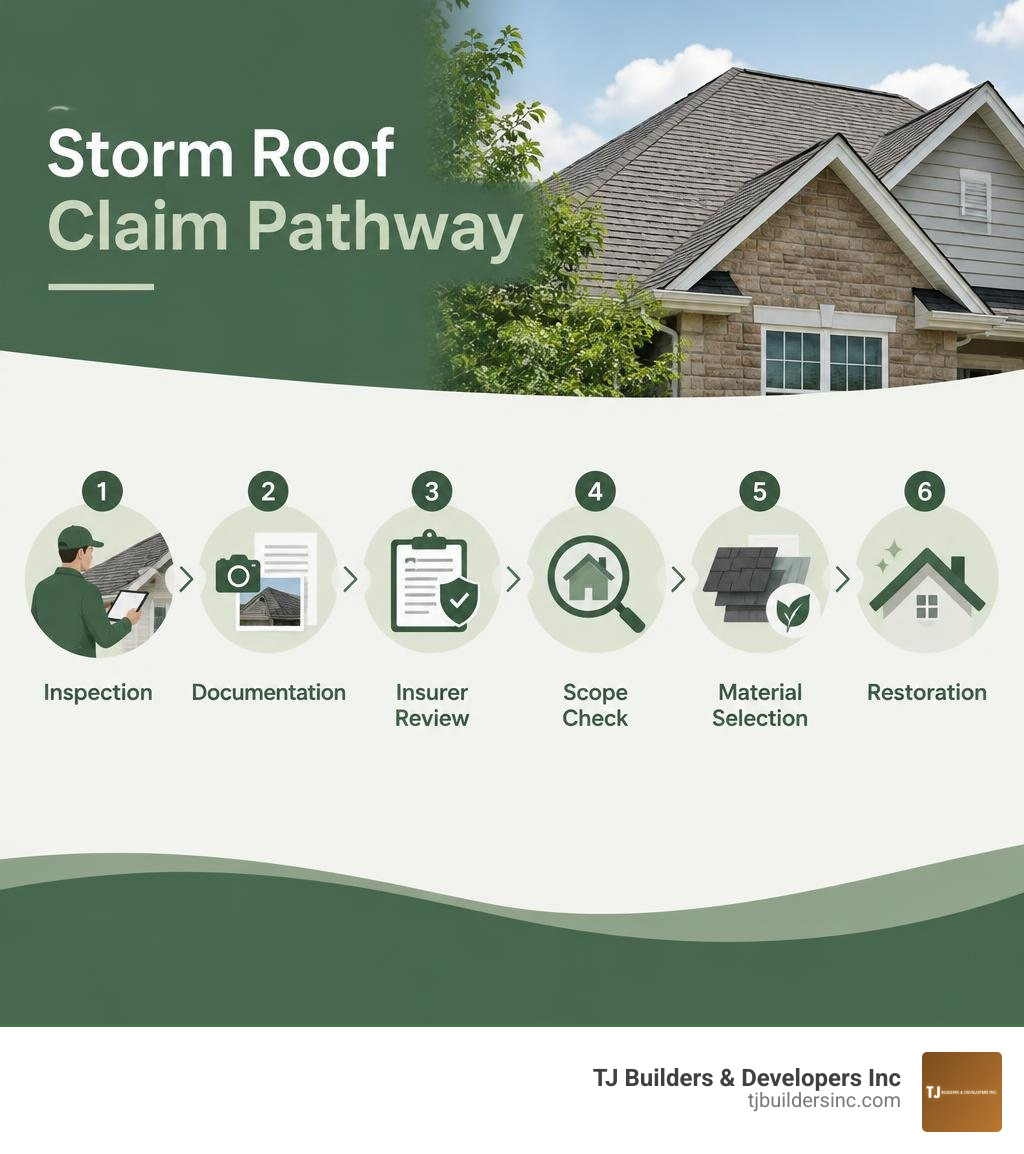
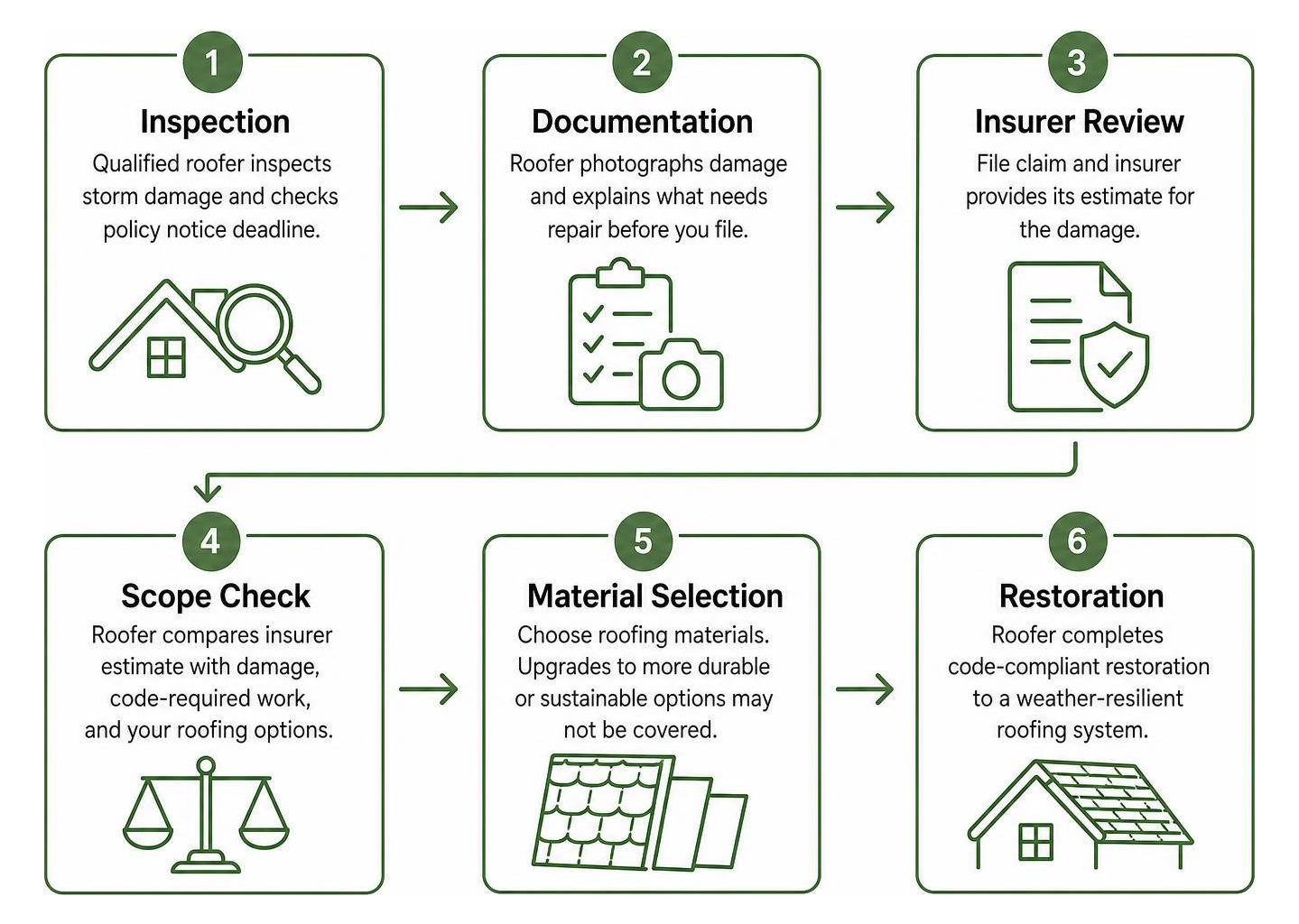
Start with an inspection, not an assumption. After a storm, ask a qualified roofer to photograph the damage and explain what needs repair before you file, while checking your policy’s notice deadline. Once the insurer provides its estimate, the roofer can compare it with the damage, required building-code work, and your roofing options. Insurance may cover storm repairs, but it will not automatically cover an upgrade to a more durable or sustainable material. According to the Federal Emergency Management Agency, wind and hail consistently rank among the most common causes of insured residential property loss in the United States.
I’m Thomas Pruszynski, owner of TJ Builders & Developers Inc. Our team has spent over 20 years helping Northern Illinois homeowners protect and improve their properties, and I look for clear documentation and sound workmanship when evaluating insurance claim roofing experts.
Explore more about Insurance claim roofing experts:
How Insurance Claim Roofing Experts Navigate the Restoration Process
Navigating an exterior property loss involves strict documentation, line-item precision, and an in-depth understanding of current building standards. When severe weather hits communities across Lakewood, Crystal Lake, and Schaumburg, resolving roof damage requires far more than nailing down fresh shingles. Proper claim navigation ensures the entire roofing system—from perimeter flashings to ventilation—is restored to a code-compliant, weather-resilient state.
The restoration journey starts with understanding the core concept of mitigation. Property owners are contractually required by standard insurance policies to prevent secondary interior water intrusions immediately following a storm. When our team steps in, we bridge the communication gap between property owners, municipal building requirements, and insurance adjusters.
Understanding Actual Cash Value versus Recoverable Depreciation
Property insurance settlements are rarely paid out in a single lump sum. Instead, most standard replacement cost value (RCV) policies divide payouts into two distinct stages:
- Actual Cash Value (ACV): This represents the initial disbursement issued by your carrier after the claim is approved. The insurer calculates the full replacement cost and subtracts both your policy deductible and depreciation based on the age and condition of your existing roof.
- Recoverable Depreciation: This is the withheld balance representing the difference between the ACV and the total RCV. Once the project is fully completed according to the approved scope, your contractor submits an itemized final invoice along with a Certificate of Completion. The carrier then releases this second payment.
Policyholders are strictly responsible for paying their deductible to the contractor. Any suggestion by an exterior contractor that a deductible can be waived or rebated is illegal under state insurance fraud regulations.
Line-Item Precision with Xactimate Estimating Software
Insurance carriers do not assess construction estimates using broad, ballpark numbers. The vast majority of insurance adjusters calculate project costs through Xactimate, a specialized estimating software that updates localized labor rates, material pricing, and regional disposal costs every month.
When contractors build repair scopes using this standardized database, every single detail is recorded with its corresponding unit-cost code:
- Tear-off and hauling charges per square
- Starter strip shingles and specialized ridge caps
- Valley ice barrier membranes and drip edge per linear foot
- High-pitch charges, steep-slope safety measures, and multi-story access requirements
Submitting clear Xactimate scopes prevents arbitrary line-item deletions and ensures your carrier pays the true market cost for high-grade materials and certified labor.
Filing Supplements to Cover Missed Scope and Hidden Damage
Initial adjusters often work under high claim volumes and may miss critical components during a brief ground or ladder inspection. Furthermore, the full structural picture of a roof deck remains hidden until old shingles are completely torn off.
When we uncover underlying deck rot, degraded fasteners, or bent step flashing, we prepare a detailed supplement. For instance, diagnostic field studies indicate that 71.4% of active interior ceiling leaks originate from corroded step flashing or cracked mortar reglets rather than direct field shingle penetration. Applying cheap silicone caulking over rusted flashings fails in an average of 4.2 months under severe freeze-thaw expansion cycles.
By submitting photo-documented supplements for proper metal counterflashing, we ensure these concealed vulnerabilities are completely replaced through expert roof repair services rather than ignored.
Need Help With Your Home?
TJ Builders & Developers handles roofing, siding, gutters, windows, home additions, and fire damage restoration for homes and businesses in Lakewood, Crystal Lake, Schaumburg, and nearby McHenry County towns.
- Free, no-obligation estimates
- Licensed & insured
- 20+ years of local experience
Identifying Storm Damage and Securing Full Scope Approvals
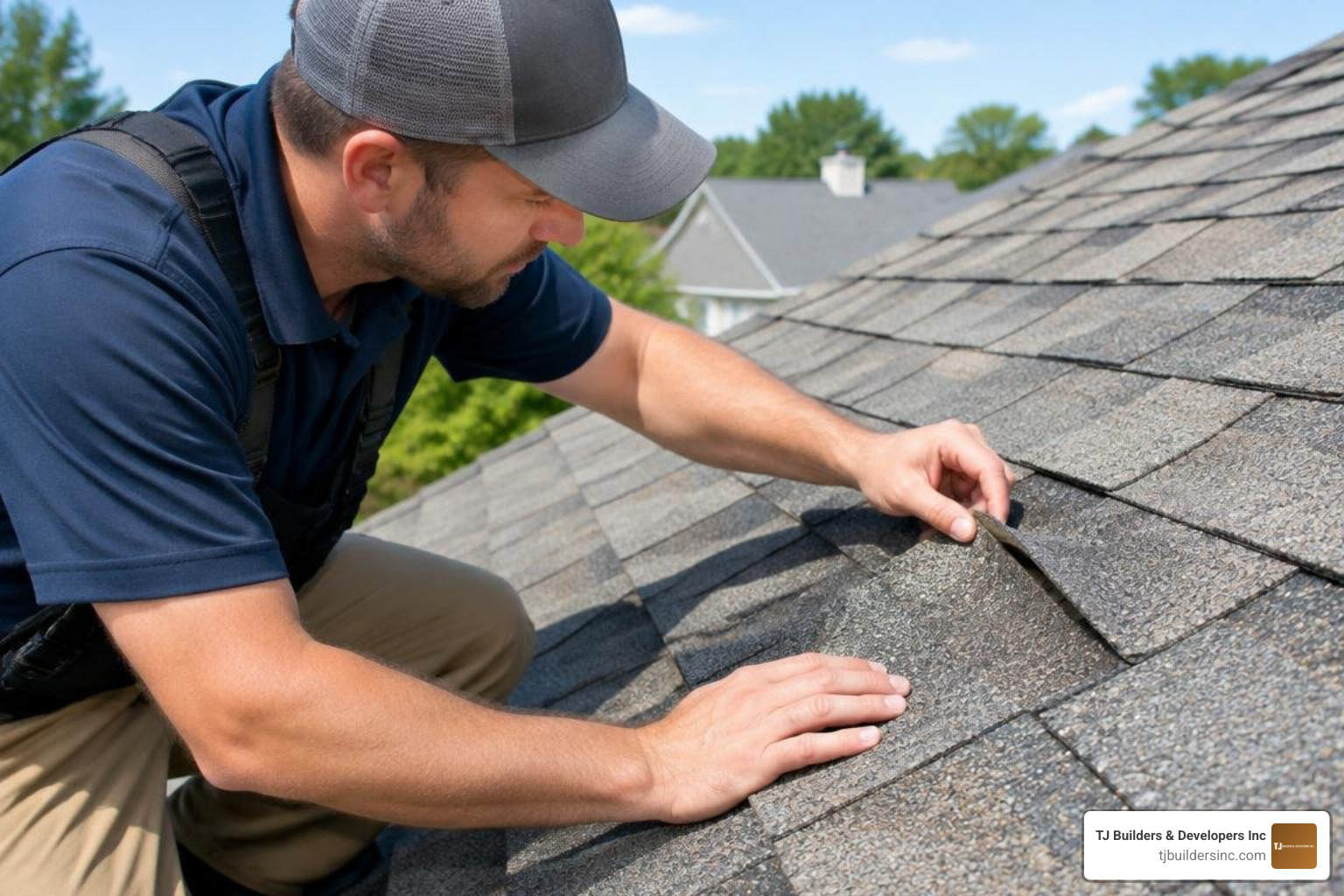
Confirming whether severe weather caused functional damage requires a forensic methodology. Hail strikes and high winds interact differently with organic, fiberglass, and architectural assemblies, making thorough diagnostic testing essential before filing an insurance claim.
Why Insurance Claim Roofing Experts Recommend Pre-Claim Inspections
Filing an insurance claim without verifying physical damage can leave a zero-dollar claim or denial on your permanent insurance record (such as your CLUE report), which insurers may evaluate during policy renewal.
Before calling an insurance carrier, homeowners should have an independent certified roof inspector perform a comprehensive assessment. An experienced inspector documents:
- Verified date-of-loss storm tracking data
- Micro-fissures and impact divots on all slopes
- Collateral damage across window wraps, gutters, downspouts, and siding
- Clear high-resolution photography of flashing interfaces
This pre-claim evidence establishes a clear foundation of proof, protecting your property value and preventing unnecessary claim denials.
Hidden Hail Damage and Subsurface Fiberglass Mat Bruising
Hail damage is deceptive because it rarely produces an immediate waterfall into your living room. Instead, large or wind-driven hailstones crush the embedded fiberglass mat beneath the protective mineral granules.
During an accurate hail damage roof assessment, experts search for soft, dark indentations that feel spongy to the touch—similar to a bruised apple. Once these granules are displaced and the underlying fiberglass mat fractures, the exposed asphalt degrades rapidly under ultraviolet (UV) radiation. Over the subsequent 12 to 24 months, freeze-thaw cycles expand these micro-fractures, creating wide pathways for winter moisture to penetrate the roof deck.
Maximizing Adjuster On-Site Meetings for Accurate Scopes
Having your contractor present during the adjuster’s on-site inspection is one of the most effective steps in securing a fair resolution. Industry data indicates that having an experienced contractor on-site during adjuster meetings typically results in 20% to 40% more approved scope compared to unattended homeowner inspections.
Our team provides physical ladder assists, walks every roof plane alongside the adjuster, and marks standard 10-foot by 10-foot test squares to quantify impact densities. This collaborative, on-roof review ensures critical structural components—such as valley metals, pipe jacks, ventilation boots, and drip edges—are documented accurately from day one.
Eco-Friendly Upgrades: Class 4 Impact Resistance and Building Codes
A storm restoration project is the single best opportunity to transition an aging, vulnerable roof into an energy-efficient, eco-friendly system built to endure modern climate extremes. Utilizing durable materials not only extends the roof’s working lifespan but also prevents tons of discarded petroleum-based asphalt shingles from filling local landfills every decade.
Executing high-level storm hail damage restoration ensures modern building efficiency matches the architectural charm of your home.
Sustainable Durability with UL 2218 Class 4 Impact-Resistant Shingles
Standard architectural shingles are built for baseline weather protection, but severe hailstorms can fracture their fiberglass cores easily. In contrast, Class 4 impact-resistant shingles are engineered using specialized polymer-modified asphalt (SBS), giving the material rubber-like flexibility to absorb heavy kinetic energy without cracking.
To earn the UL 2218 Class 4 rating, shingles must withstand a laboratory test where a 2-inch steel ball is dropped twice from a height of 20 feet onto the exact same impact location without tearing the back of the mat.
| Roofing Feature | Standard Architectural Shingles | UL 2218 Class 4 Impact-Resistant Shingles |
|---|---|---|
| Impact Testing Standard | Basic UL impact rating | Withstands 2-inch steel ball from 20 feet |
| Material Composition | Standard oxidized asphalt & fiberglass | Polymer-modified (SBS) flexible asphalt |
| Hail Resistance Lifespan | Susceptible to cracking and granule loss | High resilience; prevents deep mat fracturing |
| Environmental Impact | Frequent replacement cycles fill landfills | Extended 30–50 year lifecycle saves resources |
| Insurance Incentives | Standard policy rating | Potential 10%–25% annual premium discount |
Investing in SBS-modified roofing products reduces life-cycle replacement frequency, conserving raw manufacturing materials and significantly lowering residential carbon footprints over time.
Mandatory Code Upgrades and Ice Barrier Membrane Integration
When replacing a storm-damaged roof, modern municipal building codes must be strictly followed. Most homeowner insurance policies include Building Ordinance or Law coverage, which pays for required building code upgrades when a full replacement is mandated.
Key non-negotiable code requirements in cold-weather climates include:
- Self-Adhering Ice Barrier Membranes: Building codes require waterproof ice-and-water membranes to extend from the eave edge to a point at least 24 inches inside the interior heated wall line. This protects against interior leaks caused by winter ice damming.
- Corrosion-Resistant Drip Edge: Metal drip edge must be installed along eaves and rakes to direct runoff cleanly into gutters without rotting underlying fascia boards.
- Upgraded Flashing and Fastening: High-wind zones demand specific 6-nail fastening patterns per shingle and mechanical counterflashing along masonry chimneys.
A prompt $380 mechanical counterflashing installation during a roof project prevents an average of $3,400 in secondary drywall, ceiling joist, and insulation damage later on.
Full Roof Replacement versus Partial Repair and Matching Regulations
Insurance adjusters occasionally attempt to approve a partial repair—replacing just a few damaged shingles or a single slope. However, partial repairs often compromise roof integrity if shingles are brittle or if the existing model has been discontinued by the manufacturer.
Under state matching regulations and professional building practices, if the original shingles cannot be reasonably matched in color, size, and physical dimension, or if adjacent slopes cannot be manipulated without damaging surrounding brittle materials, the insurer is required to approve a complete, uniform roof replacement. For an in-depth breakdown of installation standards, explore our comprehensive roof installation and replacement guide.
Need Help With Your Home?
TJ Builders & Developers handles roofing, siding, gutters, windows, home additions, and fire damage restoration for homes and businesses in Lakewood, Crystal Lake, Schaumburg, and nearby McHenry County towns.
- Free, no-obligation estimates
- Licensed & insured
- 20+ years of local experience
Selecting Qualified Contractors for Sustainable Storm Restoration

Following a severe storm, neighborhoods are frequently targeted by transient, out-of-town contractors offering rapid fixes. Securing long-term weather protection requires selecting a local contractor rooted in the community.
Key Qualifications of Certified Insurance Claim Roofing Experts
Before signing an authorization agreement or contingency document, verify that your contractor holds verified credentials:
- HAAG Certified Roof Inspector Credentials: Demonstrates advanced forensic training in distinguishing manufacturing defects from true hail and wind damage.
- Manufacturer Master Certifications: Tiered statuses like GAF Master Elite (held by fewer than 3% of contractors nationwide) allow contractors to offer extended non-prorated system warranties.
- State Licensing and Comprehensive Coverage: Full state licensing alongside at least $2,000,000 in general liability insurance and active workers’ compensation.
- Xactimate Mastery: Advanced proficiency with carrier-approved estimating platforms to streamline supplement approvals.
To learn more about vetting qualified contractors, review our guides on hiring insurance approved roofers and choosing a trustworthy roofer.
Homeowner Rights Regarding Preferred Contractor Lists
Insurance desk adjusters often suggest policyholders select a company from their “preferred contractor network.” It is vital to understand your legal rights: as the property owner, you have the absolute legal right to choose any licensed, qualified contractor you trust.
Preferred network contractors agree to strict billing schedules established by the insurer, which can occasionally create an incentive to minimize repair scopes. Selecting an independent exterior contractor guarantees that your home’s structural durability and environmental performance remain the sole focus of the restoration project.
Frequently Asked Questions About Roof Insurance Claims and Sustainable Materials
Will filing a weather-related storm damage claim increase homeowners insurance premiums?
Weather-related damage resulting from hail, severe wind, or fallen branches is categorized as an “Act of God.” Unlike auto accidents or at-fault property damage, insurers generally do not single out individual homeowners with rate increases solely for filing an Act of God claim. However, when an entire geographic area experiences widespread storm destruction, carriers may adjust regional baseline rates across all policyholders in that territory.
How long after a severe weather event can homeowners file an insurance claim?
Most standard residential insurance policies provide a 365-day (one-year) window from the verified date of loss to file a storm damage claim. Because hidden hail bruises and cracked flashing seals deteriorate over several seasonal cycles, scheduling a forensic inspection shortly after a severe storm ensures you do not forfeit your coverage rights.
Can upgrading to Class 4 impact-resistant shingles lower annual insurance premiums?
Yes. Many insurance carriers offer significant policy discounts (often ranging between 10% and 25% annually) for homes with certified UL 2218 Class 4 impact-resistant shingles. Insurers recognize that impact-resistant roofs substantially reduce future hail claims, allowing them to pass long-term savings back to the homeowner.
Conclusion
Restoring your home after a storm requires navigating insurance documentation, municipal building codes, and modern material science. Partnering with a dedicated exterior contractor ensures every structural detail—from ice barriers to impact-resistant shingles—is fully accounted for on your insurance scope.
At TJ Builders & Developers Inc, we bring decades of hands-on building experience to homeowners across Lakewood, Crystal Lake, Schaumburg, and the surrounding Northern Illinois suburbs. To protect your home with lasting craftsmanship and eco-resilient materials, schedule your evaluation with our TJ Builders & Developers Inc professional roofing services team today.