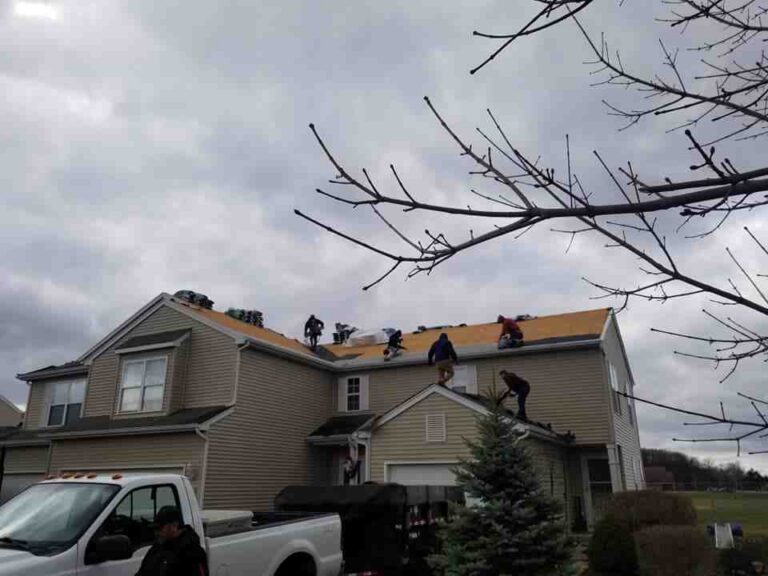
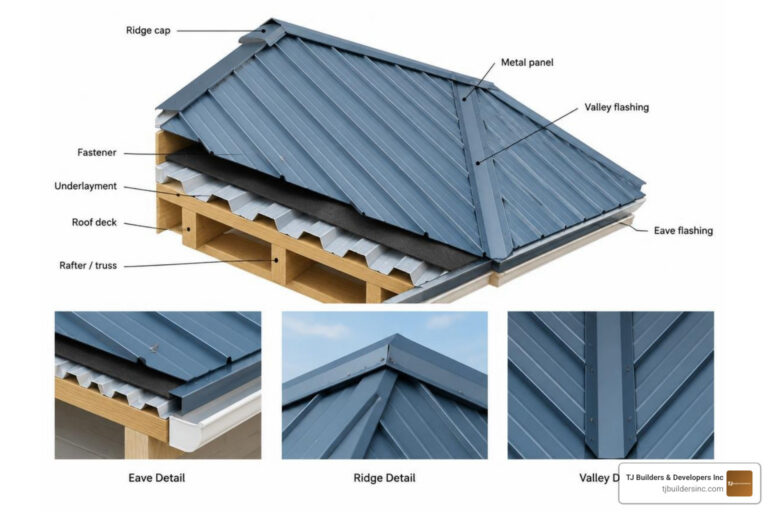
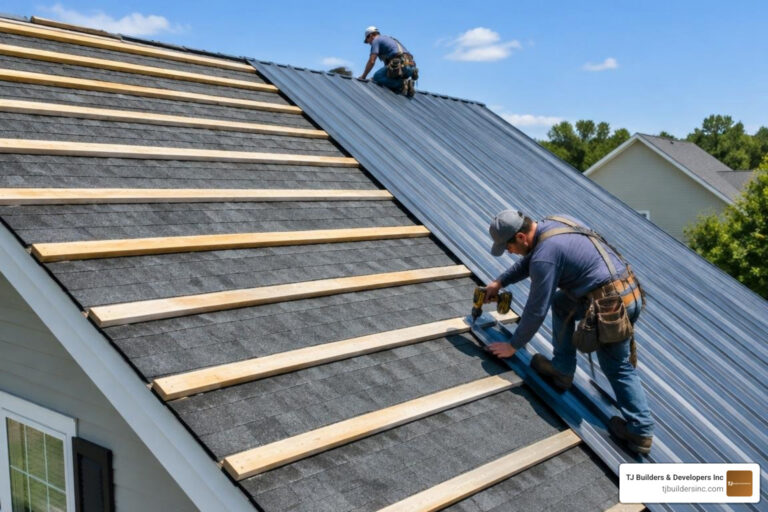
Why Roofing Inspection Companies Are Your First Line of Defense
Roofing inspection companies provide professional assessments of your roof’s condition, helping you catch problems early and avoid costly repairs. Your roof is your home’s primary defense against the elements, but many homeowners only think about it when there’s a visible leak or missing shingles. By then, hidden damage may have already compromised your home’s structure.
Professional roof inspections help you stay ahead of these issues. The industry has evolved, with independent inspectors offering objective assessments, often using advanced tools like drone technology for detailed analysis. Whether you’re maintaining your home, buying a new one, or dealing with storm damage, a professional inspection is a crucial step in protecting your investment.
Why Your Roof Needs a Professional Eye: The Importance of Regular Inspections
Your roof is your home’s first line of defense, and regular professional inspections are essential for its health and longevity. A professional assessment can identify existing damage and potential problems before they escalate into costly repairs. Neglecting your roof allows small issues, like a cracked shingle, to become major problems, leading to water damage, mold, and even structural issues that can devalue your property. If we find any issues, we also provide comprehensive roof repair services.
When to Schedule an Inspection
Knowing when to call an expert is key to proactive home maintenance. A good rule of thumb is to schedule an inspection:
- Annually: A yearly check-up can catch minor wear and tear before it worsens.
- After Severe Weather: High winds, hailstorms, or heavy snow can cause damage that isn’t visible from the ground. This is especially important in areas like Lakewood and the greater Chicago suburbs.
- Before Buying or Selling a Home: A due diligence inspection provides an unbiased assessment of the roof’s condition and remaining lifespan, which is crucial for negotiations.
- If You Notice Interior Signs: Don’t wait for a drip. Dark spots on ceilings, dampness near fireplaces, or peeling paint under the eaves are all red flags that require immediate attention.
How Inspections Save You Money
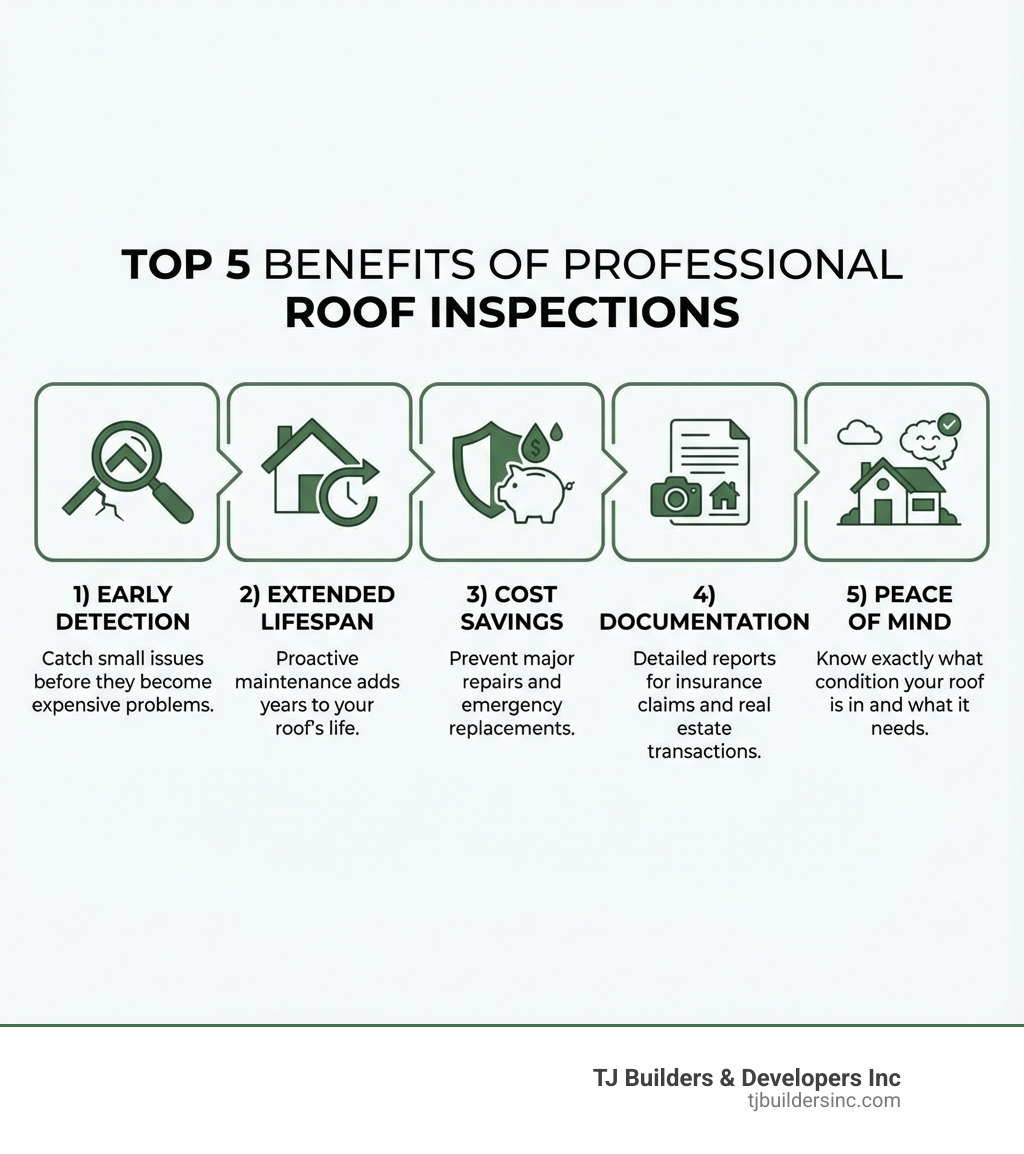
While it’s a small upfront cost, a professional inspection can lead to significant long-term savings:
- Early Detection: Catching minor issues like cracked shingles or failing flashing is far cheaper than fixing major water damage later.
- Preventing Structural Damage: Regular inspections stop leaks before they cause wood rot, mold, or damage to your home’s structure and electrical systems.
- Maximizing Roof Lifespan: Proactive maintenance based on inspection reports can extend the life of your roof, delaying the need for a full roof replacement.
- Avoiding Emergency Repairs: Planned maintenance is always more affordable than emergency repairs after a catastrophic failure.
- Maintaining Home Value: A well-maintained roof is a major selling point for your property.
- Insurance Claims: A detailed report provides the documentation needed to support insurance claims after storm damage.
If an inspection reveals that a replacement is necessary, our reroofing services can ensure your home is properly protected.
The Professional Roof Inspection Checklist: What Experts Look For
When our expert inspectors at TJ Builders & Developers Inc. visit your property in Lakewood, Crystal Lake, Schaumburg, or the Chicago suburbs, we conduct a detailed, multi-point assessment of your entire roofing system. This includes a thorough examination of both the exterior and interior to uncover any hidden issues.
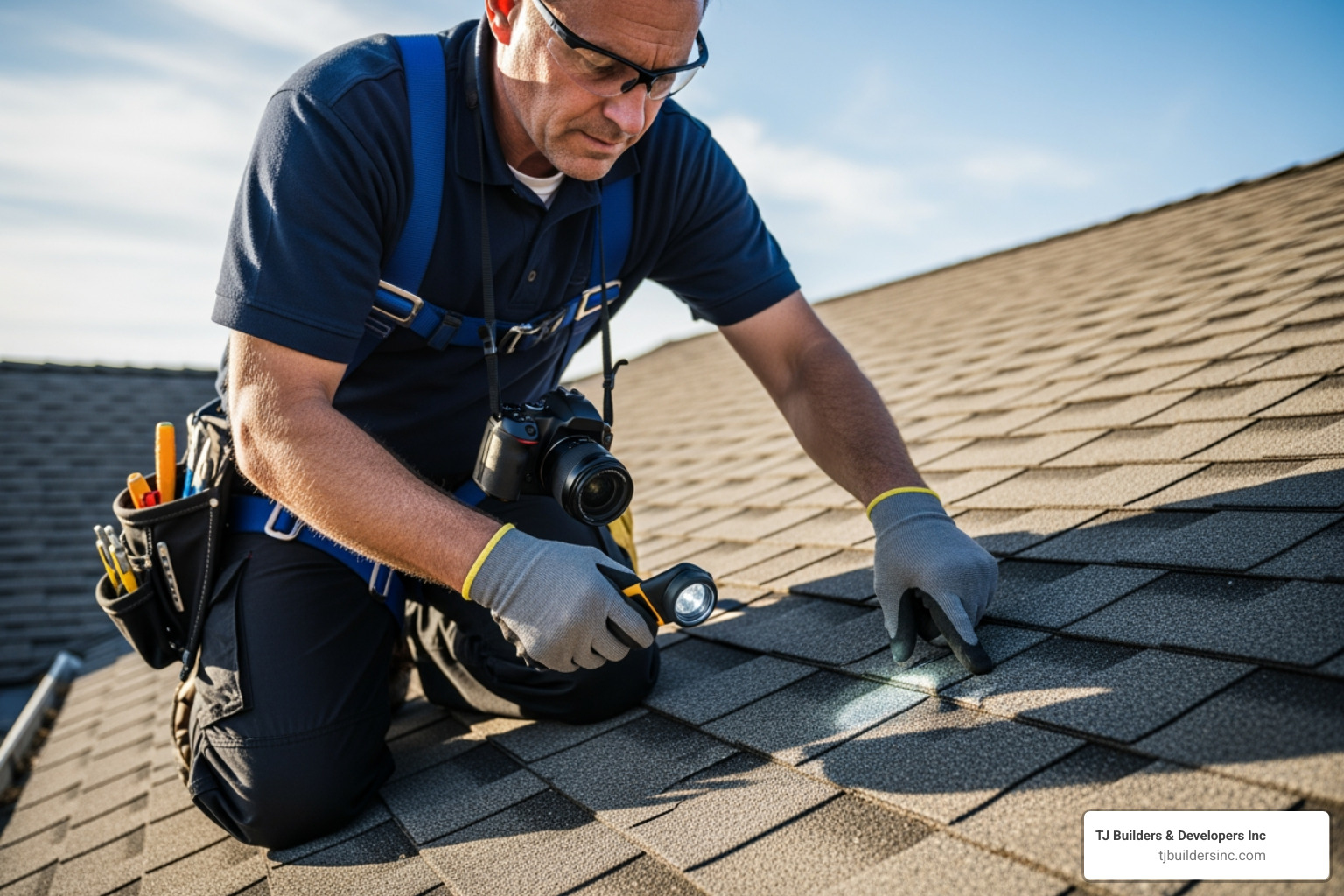
Exterior and Rooftop Assessment
Our inspectors will get on your roof to carefully check all components for:
- Missing or Damaged Shingles: Looking for cracked, curled, blistering, or missing shingles that could allow water entry.
- Damaged Flashing: Inspecting the metal strips around chimneys, vents, and skylights for rust, cracks, or poor seals.
- Cracked Vent Boots: Checking the rubber seals around vent pipes, which can dry out and crack over time.
- Moss or Lichen Growth: Identifying organic growth that can trap moisture and cause decay.
- Gutter Condition: Ensuring gutters are clear and functioning correctly to prevent water from backing up onto the roof. We also offer gutter installation and replacement services if needed.
- Rust Spots: Checking all metal components for signs of corrosion.
- Sagging Roof Decking: Looking for signs of structural weakness in the underlying roof deck.
- Granule Loss: Assessing the loss of protective granules from asphalt shingles.
- Caulking and Sealants: Examining all seals for cracks or deterioration.
- Chimney Condition: Checking for cracked mortar or other signs of damage.
Interior and Attic Check
An inspection isn’t complete without looking inside. In the attic, we check for:
- Water Stains: Obvious signs of leaks on the ceiling or rafters.
- Damp Insulation: Wet insulation is ineffective and can lead to mold.
- Poor Ventilation: Signs like excessive heat or peeling paint can indicate ventilation problems that shorten a roof’s life.
- Visible Light: Any daylight seen from the attic means there’s a hole in your roof.
- Mold or Mildew: A clear sign of a moisture problem.
- Wood Rot: Checking rafters and decking for rot that compromises structural integrity.
- Pest Infestations: Looking for signs that pests have found an entry point through the roof.
By examining both the exterior and interior, we provide a complete picture of your roof’s health.
Independent vs. Contractor-Led: Choosing Among Roofing Inspection Companies
When you’re looking for roofing inspection companies, you’ll likely encounter two main types: those that are part of a roofing contractor business and those that operate independently. Understanding the difference is crucial for getting the most objective assessment of your roof.
Contractors who also sell roofs may offer “free” inspections, but their primary goal is often to sell a repair or replacement, which can create a conflict of interest. An independent inspector’s only job is to provide an unbiased, expert opinion on your roof’s condition, as they don’t profit from any recommended work.
Benefits of an Independent Inspector
Choosing an independent inspector offers several distinct advantages, particularly when objectivity is paramount:
- Objective Assessment: They have no incentive to sell you services you don’t need.
- Detailed, Unbiased Reports: You get a clear, honest report on your roof’s condition.
- Forensic Analysis Expertise: Many specialize in identifying the exact cause of damage, which is useful for insurance claims.
- Due Diligence for Real Estate: Ideal for real estate transactions, providing a clear picture of the roof’s remaining lifespan.
When a Contractor’s Inspection Makes Sense
While independent inspections offer unparalleled objectivity, there are situations where a contractor’s inspection might be a suitable or even preferable option:
- Convenience: A good option if you already have a trusted relationship with a local roofing contractor.
- Repair Estimates: When you know you need a repair, the inspection is part of the quoting process.
- Warranty Requirements: Some manufacturers require inspections from their certified contractors to maintain a warranty.
At TJ Builders & Developers Inc., we pride ourselves on transparency. While we offer expert roofing services, we understand the value of an unbiased assessment. This principle of honest evaluation applies to all our services, including siding installation and replacement.
Need Help With Your Home?
TJ Builders & Developers handles roofing, siding, gutters, windows, home additions, and fire damage restoration for homes and businesses in Lakewood, Crystal Lake, Schaumburg, and nearby McHenry County towns.
- Free, no-obligation estimates
- Licensed & insured
- 20+ years of local experience
Understanding Credentials: Licenses, Certifications, and Why They Matter
When choosing between roofing inspection companies and contractors, verifying their credentials is a crucial step. A license and a certification are not the same, and understanding the difference helps ensure you’re hiring a qualified professional.
License vs. Certification: What’s the Difference?
- License: A license is a legal requirement issued by a state or local government, like in Illinois. It confirms the contractor meets minimum standards and carries necessary insurance. You can check a contractor’s license status through your state’s licensing board. For more information, you can review state-by-state roofing license rules.
- Certification: A certification is an achievement awarded by a manufacturer or industry organization (like the NRCIA or NRCA). It signifies a higher level of expertise, specialized training, and a commitment to best practices. Manufacturer certifications often open up better warranties.
The Role of Certifying Bodies like NRCIA and NRCA
Organizations like the National Roof Certification and Inspection Association (NRCIA) and the National Roofing Contractors Association (NRCA) set high standards for the industry.
- NRCIA: Known for its LeakFREE® roof certification, which guarantees a roof remains leak-free for a set period. Their members are accredited inspectors who follow a strict, multi-point inspection process.
- NRCA: Offers the ProCertification® program, which validates the skills of individual roofing installers.
Working with certified contractors ensures quality workmanship, provides access to better warranties, and protects you with proper insurance and liability coverage.
How to Verify Credentials of Roofing Inspection Companies
Before hiring, always:
- Check Websites: Verify certifications on the manufacturer’s or organization’s (like the NRCIA) website.
- Ask for Documentation: Request copies of their license, insurance, and certifications.
- Confirm Insurance: Ensure they have both general liability and workers’ compensation insurance.
- Read Reviews: Check online reviews to gauge their reputation and customer service.
The Practical Side: Cost, Duration, and What to Expect
Knowing what to expect from a professional roof inspection can help you prepare. At TJ Builders & Developers Inc., we believe in a transparent process from start to finish.
What to Expect from Top Roofing Inspection Companies
A professional roof inspection is a systematic process designed to provide you with a comprehensive understanding of your roof’s condition.
- Scheduling Process: Contact us to set up an appointment. We’ll gather basic information about your property.
- On-Site Professionalism: Our inspector will arrive on time, equipped with the right tools and safety gear. The inspection typically takes 45 minutes to a few hours, depending on your roof’s size and complexity.
- Use of Technology: Many modern roofing inspection companies leverage advanced tools to improve accuracy and safety. This can include digital cameras for detailed photographic evidence, moisture meters to detect hidden leaks, and increasingly, drones. Drones provide a detailed, aerial view of your roof, accessing hard-to-reach areas safely and efficiently.
- Detailed Report Delivery: Within 24 to 48 hours of the inspection, you should receive a comprehensive report with photos, detailing our findings and recommendations.
Typical Costs and Types of Inspections
The cost of a professional roof inspection generally ranges from $150 to $500, depending on the roof’s size, complexity, and the type of inspection needed.
- Annual Maintenance Inspection: A routine check-up to catch minor issues before they become major problems.
- Forensic (Storm Damage) Inspection: A detailed investigation to identify damage from events like hail or wind, often used for insurance claims.
- Due Diligence (Real Estate) Inspection: A thorough assessment for buyers or sellers to understand the roof’s condition and remaining lifespan before a transaction.
While some contractors offer “free” inspections, these are often sales tools. A paid inspection from a reputable company ensures you receive an unbiased, detailed report.
Why Your Roof Needs a Professional Eye: The Importance of Regular Inspections
Your roof is your home’s first line of defense, and regular professional inspections are essential for its health and longevity. A professional assessment can identify existing damage and potential problems before they escalate into costly repairs. Neglecting your roof allows small issues, like a cracked shingle, to become major problems, leading to water damage, mold, and even structural issues that can devalue your property. If we find any issues, we also provide comprehensive roof repair services.
When to Schedule an Inspection
Knowing when to call an expert is key to proactive home maintenance. A good rule of thumb is to schedule an inspection:
- Annually: A yearly check-up can catch minor wear and tear before it worsens.
- After Severe Weather: High winds, hailstorms, or heavy snow can cause damage that isn’t visible from the ground. This is especially important in areas like Lakewood and the greater Chicago suburbs.
- Before Buying or Selling a Home: A due diligence inspection provides an unbiased assessment of the roof’s condition and remaining lifespan, which is crucial for negotiations.
- If You Notice Interior Signs: Don’t wait for a drip. Dark spots on ceilings, dampness near fireplaces, or peeling paint under the eaves are all red flags that require immediate attention.
How Inspections Save You Money
While it’s a small upfront cost, a professional inspection can lead to significant long-term savings:
- Early Detection: Catching minor issues like cracked shingles or failing flashing is far cheaper than fixing major water damage later.
- Preventing Structural Damage: Regular inspections stop leaks before they cause wood rot, mold, or damage to your home’s structure and electrical systems.
- Maximizing Roof Lifespan: Proactive maintenance based on inspection reports can extend the life of your roof, delaying the need for a full roof replacement.
- Avoiding Emergency Repairs: Planned maintenance is always more affordable than emergency repairs after a catastrophic failure.
- Maintaining Home Value: A well-maintained roof is a major selling point for your property.
- Insurance Claims: A detailed report provides the documentation needed to support insurance claims after storm damage.
If an inspection reveals that a replacement is necessary, our reroofing services can ensure your home is properly protected.
The Professional Roof Inspection Checklist: What Experts Look For
When our expert inspectors at TJ Builders & Developers Inc. visit your property in Lakewood, Crystal Lake, Schaumburg, or the Chicago suburbs, we conduct a detailed, multi-point assessment of your entire roofing system. This includes a thorough examination of both the exterior and interior to uncover any hidden issues.
Exterior and Rooftop Assessment
Our inspectors will get on your roof to carefully check all components for:
- Missing or Damaged Shingles: Looking for cracked, curled, blistering, or missing shingles that could allow water entry.
- Damaged Flashing: Inspecting the metal strips around chimneys, vents, and skylights for rust, cracks, or poor seals.
- Cracked Vent Boots: Checking the rubber seals around vent pipes, which can dry out and crack over time.
- Moss or Lichen Growth: Identifying organic growth that can trap moisture and cause decay.
- Gutter Condition: Ensuring gutters are clear and functioning correctly to prevent water from backing up onto the roof. We also offer gutter installation and replacement services if needed.
- Rust Spots: Checking all metal components for signs of corrosion.
- Sagging Roof Decking: Looking for signs of structural weakness in the underlying roof deck.
- Granule Loss: Assessing the loss of protective granules from asphalt shingles.
- Caulking and Sealants: Examining all seals for cracks or deterioration.
- Chimney Condition: Checking for cracked mortar or other signs of damage.
Interior and Attic Check
An inspection isn’t complete without looking inside. In the attic, we check for:
- Water Stains: Obvious signs of leaks on the ceiling or rafters.
- Damp Insulation: Wet insulation is ineffective and can lead to mold.
- Poor Ventilation: Signs like excessive heat or peeling paint can indicate ventilation problems that shorten a roof’s life.
- Visible Light: Any daylight seen from the attic means there’s a hole in your roof.
- Mold or Mildew: A clear sign of a moisture problem.
- Wood Rot: Checking rafters and decking for rot that compromises structural integrity.
- Pest Infestations: Looking for signs that pests have found an entry point through the roof.
By examining both the exterior and interior, we provide a complete picture of your roof’s health.
Need Help With Your Home?
TJ Builders & Developers handles roofing, siding, gutters, windows, home additions, and fire damage restoration for homes and businesses in Lakewood, Crystal Lake, Schaumburg, and nearby McHenry County towns.
- Free, no-obligation estimates
- Licensed & insured
- 20+ years of local experience
Independent vs. Contractor-Led: Choosing Among Roofing Inspection Companies
When you’re looking for roofing inspection companies, you’ll likely encounter two main types: those that are part of a roofing contractor business and those that operate independently. Understanding the difference is crucial for getting the most objective assessment of your roof.
Contractors who also sell roofs may offer “free” inspections, but their primary goal is often to sell a repair or replacement, which can create a conflict of interest. An independent inspector’s only job is to provide an unbiased, expert opinion on your roof’s condition, as they don’t profit from any recommended work.
Benefits of an Independent Inspector
Choosing an independent inspector offers several distinct advantages, particularly when objectivity is paramount:
- Objective Assessment: They have no incentive to sell you services you don’t need.
- Detailed, Unbiased Reports: You get a clear, honest report on your roof’s condition.
- Forensic Analysis Expertise: Many specialize in identifying the exact cause of damage, which is useful for insurance claims.
- Due Diligence for Real Estate: Ideal for real estate transactions, providing a clear picture of the roof’s remaining lifespan.
When a Contractor’s Inspection Makes Sense
While independent inspections offer unparalleled objectivity, there are situations where a contractor’s inspection might be a suitable or even preferable option:
- Convenience: A good option if you already have a trusted relationship with a local roofing contractor.
- Repair Estimates: When you know you need a repair, the inspection is part of the quoting process.
- Warranty Requirements: Some manufacturers require inspections from their certified contractors to maintain a warranty.
At TJ Builders & Developers Inc., we pride ourselves on transparency. While we offer expert roofing services, we understand the value of an unbiased assessment. This principle of honest evaluation applies to all our services, including siding installation and replacement.
Understanding Credentials: Licenses, Certifications, and Why They Matter
When choosing between roofing inspection companies and contractors, verifying their credentials is a crucial step. A license and a certification are not the same, and understanding the difference helps ensure you’re hiring a qualified professional.
License vs. Certification: What’s the Difference?
- License: A license is a legal requirement issued by a state or local government, like in Illinois. It confirms the contractor meets minimum standards and carries necessary insurance. You can check a contractor’s license status through your state’s licensing board. For more information, you can review state-by-state roofing license rules.
- Certification: A certification is an achievement awarded by a manufacturer or industry organization (like the NRCIA or NRCA). It signifies a higher level of expertise, specialized training, and a commitment to best practices. Manufacturer certifications often open up better warranties.
The Role of Certifying Bodies like NRCIA and NRCA
Organizations like the National Roof Certification and Inspection Association (NRCIA) and the National Roofing Contractors Association (NRCA) set high standards for the industry.
- NRCIA: Known for its LeakFREE® certification, which guarantees a roof remains leak-free for a set period. Their members are accredited inspectors who follow a strict, multi-point inspection process.
- NRCA: Offers the ProCertification® program, which validates the skills of individual roofing installers.
Working with certified contractors ensures quality workmanship, provides access to better warranties, and protects you with proper insurance and liability coverage.
How to Verify Credentials of Roofing Inspection Companies
Before hiring, always:
- Check Websites: Verify certifications on the manufacturer’s or organization’s (like the NRCIA) website.
- Ask for Documentation: Request copies of their license, insurance, and certifications.
- Confirm Insurance: Ensure they have both general liability and workers’ compensation insurance.
- Read Reviews: Check online reviews to gauge their reputation and customer service.
By diligently checking these credentials, you can confidently choose a reputable and skilled professional for your roofing needs in Lakewood, Crystal Lake, Schaumburg, and the wider Chicago suburbs.
The Practical Side: Cost, Duration, and What to Expect
Knowing what to expect from a professional roof inspection can help you prepare. At TJ Builders & Developers Inc., we believe in a transparent process from start to finish.
What to Expect from Top Roofing Inspection Companies
A professional roof inspection is a systematic process designed to provide you with a comprehensive understanding of your roof’s condition.
- Scheduling Process: Contact us to set up an appointment. We’ll gather basic information about your property.
- On-Site Professionalism: Our inspector will arrive on time, equipped with the right tools and safety gear. The inspection typically takes 45 minutes to a few hours, depending on your roof’s size and complexity.
- Use of Technology: Many modern roofing inspection companies leverage advanced tools to improve accuracy and safety. This can include digital cameras for detailed photographic evidence, moisture meters to detect hidden leaks, and increasingly, drones. Drones provide a detailed, aerial view of your roof, accessing hard-to-reach areas safely and efficiently.
- Detailed Report Delivery: Within 24 to 48 hours of the inspection, you should receive a comprehensive report with photos, detailing our findings and recommendations.
Typical Costs and Types of Inspections
The cost of a professional roof inspection generally ranges from $150 to $500, depending on the roof’s size, complexity, and the type of inspection needed.
- Annual Maintenance Inspection: A routine check-up to catch minor issues before they become major problems.
- Forensic (Storm Damage) Inspection: A detailed investigation to identify damage from events like hail or wind, often used for insurance claims.
- Due Diligence (Real Estate) Inspection: A thorough assessment for buyers or sellers to understand the roof’s condition and remaining lifespan before a transaction.
While some contractors offer “free” inspections, these are often sales tools. A paid inspection from a reputable company ensures you receive an unbiased, detailed report.
Frequently Asked Questions about Roof Inspections
How often should I get my roof inspected?
We recommend a professional inspection at least once a year and after any severe weather event, like a hailstorm or high winds. This proactive approach helps catch minor issues before they become costly problems and can be required to keep warranties valid.
Is a “free” roof inspection really free?
While some contractors offer free inspections, these are often used to generate sales leads, and the resulting report may be biased. Independent inspections typically have a fee but provide a completely unbiased assessment of your roof’s condition.
Can I do my own roof inspection?
While you can spot obvious issues from the ground, a DIY inspection isn’t a substitute for a professional one. Trained inspectors can identify subtle signs of damage and have the proper safety equipment to assess your roof up close without causing further damage.
Protect Your Investment with a Professional Inspection
Your roof is one of your home’s most critical assets. Regular, professional inspections are the key to protecting that investment. By catching problems early, you can prevent costly repairs, extend your roof’s lifespan, and ensure your family’s safety. Whether you need a routine check-up, a post-storm assessment, or a pre-purchase evaluation, trust the certified experts at TJ Builders & Developers Inc. to provide a thorough and honest report. Schedule your comprehensive roof evaluation today.