Dealing with fire damage in your home is a really tough situation. Flames, smoke, and the water used to put out the fire can cause a lot of problems, and sometimes the damage isn’t even obvious at first. That’s where professional fire damage restoration Lakewood services come in. We’re here to help you get your home back to normal as quickly and safely as possible, handling everything from the initial cleanup to the final repairs.
Key Takeaways
- Fire damage restoration Lakewood involves fixing all the damage caused by fire, smoke, and water, not just what you can see.
- Signs like lingering smoke smells, soot, or water damage mean you need professional help fast.
- Acting quickly after a fire is super important to stop more damage and protect your health.
- The restoration process includes securing the building, cleaning soot, removing odors, and making repairs.
- Choosing the right restoration company means finding someone with local knowledge and good credentials in Lakewood.
Understanding fire damage restoration in Lakewood
What constitutes fire damage restoration?
When a fire sweeps through your home, it leaves behind more than just visible charring. The flames themselves are destructive, but the smoke, soot, and even the water used to put out the fire can cause significant, ongoing damage. Fire damage restoration is the process of cleaning up, repairing, and rebuilding everything that was affected. It’s not just about making things look good again; it’s about making your home safe and healthy to live in once more. This involves a lot of steps, from getting rid of that stubborn smoky smell to making sure the structure is sound.
The immediate impact of fire, smoke, and water
Right after a fire, you’re dealing with a mess. The heat can warp building materials, and flames can literally eat away at wood and other structures. Then there’s the smoke and soot. This stuff is acidic and can quickly start to corrode metal surfaces, like your appliances and even plumbing fixtures. It also coats everything, making it look dirty and often leaving a lingering odor. And let’s not forget the water. Firefighters use a lot of water to douse the flames, which can lead to water damage, mold growth, and structural issues if not dried out properly and quickly. Every second truly counts when trying to minimize this initial damage.
Beyond visible damage: hidden threats
What you can see is often just the tip of the iceberg. Smoke particles are tiny and can penetrate deep into walls, carpets, and ventilation systems. This is why those smoky smells can be so hard to get rid of. Soot residue, especially from synthetic materials burning, can be corrosive and toxic. There’s also the risk of mold developing in damp areas created by firefighting efforts. Sometimes, the heat from a fire can weaken structural components in ways that aren’t immediately obvious, posing a risk down the line. It’s a complex situation that requires a professional eye to fully assess and address.
- Soot and Smoke Residue: These can be acidic and corrosive, damaging surfaces and leaving odors.
- Water Damage: From firefighting efforts, leading to potential mold and structural weakening.
- Hidden Structural Weakness: Heat can compromise the integrity of beams and supports.
- Air Quality Issues: Smoke particles and potential mold spores can make the air unhealthy.
Dealing with fire damage is overwhelming, and it’s easy to feel lost. Understanding the different types of damage, both seen and unseen, is the first step toward recovery. Professional restoration services are designed to tackle all these issues systematically, bringing your home back to its pre-fire condition.
Signs your home needs professional fire damage restoration
Even after the flames are out and the water has stopped running, the damage from a fire can linger. It’s not always obvious at first glance, and sometimes the most concerning issues are the ones you can’t immediately see. If you’ve experienced a fire, it’s important to know the signs that indicate you need professional help to get your home back in shape.
Smoke doesn’t just smell bad; it’s made up of tiny particles that can penetrate porous materials like drywall, carpets, and even the wood framing of your house. This can lead to a lingering, unpleasant odor that air fresheners just can’t mask. You might also notice discoloration on walls and ceilings, often appearing as yellow or brown stains, especially around vents or areas where smoke was concentrated. These aren’t just cosmetic issues; they’re indicators that soot and smoke residue have deeply embedded themselves into your home’s structure.
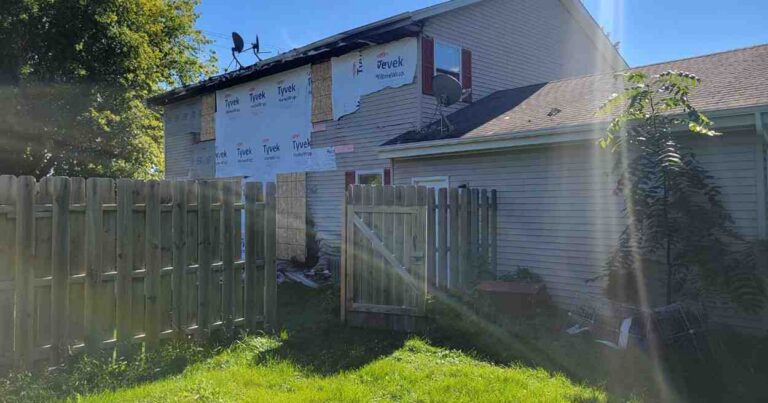
This is the most obvious sign of fire damage. You’ll see black, powdery soot on surfaces, which can be easily spread if not handled carefully. Charring, where materials have been burned away, indicates more severe damage that affects the structural integrity. Even if the charring looks minor, it can weaken materials and require professional assessment to determine the extent of the damage and the best way to repair it.
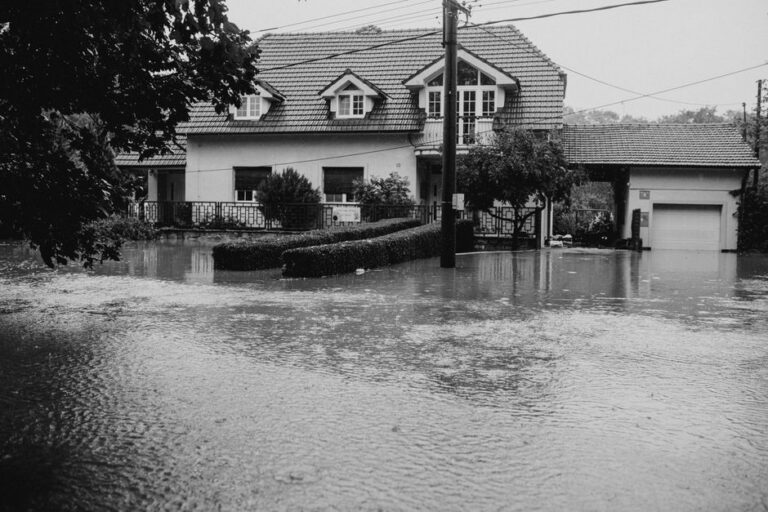
When firefighters battle a blaze, they use a lot of water. This water can cause significant damage to your home, leading to:
- Saturated Drywall: Walls and ceilings can become waterlogged, leading to sagging, staining, and potential mold growth.
- Damaged Flooring: Carpets, hardwood, and tile can be ruined by prolonged exposure to water.
- Compromised Insulation: Insulation in walls and attics can lose its effectiveness when wet and become a breeding ground for mold.
This water damage needs to be addressed quickly to prevent further issues like rot and mold.
Fires and the water used to extinguish them can weaken the very bones of your house. Look out for:
- Warped or Sagging Materials: Doors, window frames, or even sections of the roof might appear distorted.
- Cracks in Walls or Ceilings: These can be a sign of stress on the building’s structure.
- Unusual Noises: Creaking or groaning sounds from the structure could indicate shifting or instability.
It’s easy to focus on the visible burn marks, but the hidden damage from smoke, soot, and water can be just as destructive and pose long-term risks to your home’s safety and your family’s health. Prompt professional attention is key to preventing these issues from escalating.
If you notice any of these signs, it’s time to call in the experts. Trying to tackle fire damage on your own can be overwhelming and may not address the underlying problems effectively.
The critical role of prompt fire damage restoration
When a fire breaks out, it’s easy to think the worst is over once the flames are out. But that’s really just the beginning of the recovery process. The damage from fire, smoke, and the water used to put it out doesn’t just stop. It can actually get worse if you don’t act fast. Every second counts after a fire because the longer you wait, the more damage can spread and set in.
Every second counts after a fire
Think of it like this: smoke and soot are acidic. They start eating away at surfaces almost immediately. The longer they sit, the deeper they penetrate materials like drywall, wood, and even fabrics. This makes them harder to clean and can lead to permanent discoloration or damage. Plus, the water used by firefighters can cause its own set of problems, like mold growth and structural weakening, if not dealt with quickly.
Preventing further deterioration
Getting professionals in right away is key to stopping this downhill slide. They can board up windows and doors to keep out the elements and potential intruders. They also start the cleaning process, removing those harmful residues before they cause lasting harm. This initial response is like putting a bandage on a wound to stop it from getting infected. It’s about containment and stabilization.
Mitigating health risks from residues
Beyond the visible damage, fire residues can be a real health hazard. Soot particles can be incredibly fine, getting into the air you breathe and settling on surfaces. These particles can contain toxins and irritants. Prompt cleaning and air purification by trained professionals are vital to ensure your home is safe to live in again and to protect your family’s health. It’s not just about making your home look good; it’s about making it healthy.
Here’s a quick look at why speed matters:
- Immediate Action: Prevents smoke and soot from permanently bonding with surfaces.
- Water Control: Stops water damage from spreading and reduces the risk of mold.
- Structural Safety: Assesses and secures the building’s integrity before further damage occurs.
- Health Protection: Removes harmful residues that can affect air quality and well-being.
Waiting too long after a fire can turn a manageable restoration project into a much larger, more expensive, and more time-consuming ordeal. The initial hours and days are critical for minimizing long-term impact and ensuring a safe return to your home.
Need Help With Your Home?
TJ Builders & Developers handles roofing, siding, gutters, windows, home additions, and fire damage restoration for homes and businesses in Lakewood, Crystal Lake, Schaumburg, and nearby McHenry County towns.
- Free, no-obligation estimates
- Licensed & insured
- 20+ years of local experience
Comprehensive fire damage restoration process
When fire strikes, the aftermath can be overwhelming. It’s not just about the visible flames; smoke, soot, and the water used to fight the fire can cause significant damage that continues to spread if not addressed quickly. Our process is designed to tackle every aspect of fire damage, from the initial emergency response to the final cosmetic touches, aiming to restore your home safely and efficiently.
Emergency stabilization and securing the structure
The very first step after a fire is to make sure the property is safe and stable. This means assessing any immediate structural risks, like weakened walls or ceilings, and taking steps to prevent further collapse or damage. We’ll board up broken windows and doors to keep out the elements and potential intruders. This phase is all about stopping any further deterioration and creating a secure environment for the restoration work to begin. It’s about preventing secondary damage from weather or other outside factors.
Soot and smoke residue removal
Soot and smoke are insidious. They can penetrate surfaces, leaving behind not just a mess but also harmful residues and that unmistakable smoky smell. We use specialized cleaning agents and equipment, like dry-ice blasters and ultrasonic cleaners, to carefully remove soot from delicate surfaces like electronics and fabrics, as well as from harder materials like walls and ceilings. The goal is to clean thoroughly without causing additional damage to your belongings or the structure itself.
Deodorization and air quality restoration
That lingering smoke odor can be one of the most persistent reminders of a fire. Simply masking the smell isn’t enough. We employ advanced deodorization techniques, including ozone treatments and thermal fogging, to neutralize odor molecules at their source. Air scrubbers with HEPA filters are used to remove smoke particles and other contaminants from the air, improving indoor air quality and making your home feel fresh again. We want to make sure the air you breathe is clean and free of any fire-related contaminants.
Structural and cosmetic repairs
Once the cleaning and deodorizing are complete, we move on to repairing the damage. This can range from replacing charred drywall and damaged flooring to rebuilding structural elements that may have been compromised by the fire or water. Our team handles all necessary repairs, both structural and cosmetic, to bring your home back to its pre-fire condition. We pay close attention to detail to ensure that the repairs blend seamlessly with the rest of your home, restoring both its safety and its beauty. For extensive structural work, TJ Builders & Developers Inc. has a proven track record in Lakewood.
The restoration process is methodical, focusing on containment, cleaning, and rebuilding. Each step is critical to preventing long-term issues and ensuring your home is safe and healthy again.
Expert techniques for fire damage restoration in Lakewood
Utilizing state-of-the-art equipment
When fire strikes, the aftermath isn’t just about visible charring. Smoke and soot particles are incredibly fine and can penetrate deep into building materials, creating lingering odors and potential health hazards. That’s where specialized equipment comes in. We use advanced tools like industrial-grade air scrubbers with HEPA filters to capture airborne particles and improve air quality. Ozone generators are also employed to neutralize stubborn smoke odors that regular cleaning can’t touch. For soot removal, we utilize dry and wet cleaning methods with specialized chemicals and equipment designed to lift soot without damaging surfaces. Think of it like this: a regular vacuum cleaner might get the big stuff, but these tools are designed to tackle the microscopic invaders left behind by fire.
Applying certified restoration techniques
Restoring a home after a fire isn’t a DIY job. It requires knowledge and adherence to industry standards. Our team is trained and certified in proven fire and smoke damage restoration techniques. This means we know how to properly clean and restore different types of materials, from delicate fabrics and electronics to structural wood and drywall. We follow a systematic approach, starting with a thorough assessment to identify all affected areas, including those hidden from plain sight. This methodical process helps prevent secondary damage and ensures that every aspect of the fire’s impact is addressed.
Ensuring efficient and high-quality results
Our goal is to get your home back to its pre-fire condition as quickly as possible, but never at the expense of quality. We understand that this is a stressful time, and a fast, effective restoration process can make a big difference. We prioritize clear communication throughout the project, keeping you informed every step of the way. By combining the right equipment with certified techniques and a dedicated team, we aim to deliver results that not only look good but also restore the safety and integrity of your home.
The key to successful fire damage restoration lies in a multi-faceted approach that addresses not just the visible damage but also the unseen consequences of smoke, soot, and water. Using specialized tools and following established protocols are vital for a complete recovery.
Navigating insurance claims for fire damage
Filing an insurance claim after a fire isn’t fun, but it’s a must if you want your home back the way it was. Many homeowners in Lakewood feel overwhelmed by the process, especially when they’ve never filed a property claim before. It might feel like more paperwork than you bargained for, but every step matters.
Documentation for your insurance adjuster
The first real job after the fire is thorough and accurate documentation. This isn’t just recommended — it’s the backbone of your entire claim.
- Take photos and videos: Get clear shots of every damaged room, wall, and item. Don’t throw anything away before you’ve recorded it.
- Write a list: Note what’s been damaged, with descriptions and estimated values if you have them.
- Get contractor reports: Professional restoration companies often provide detailed assessment reports that are golden for adjusters — they include photos and descriptions that show exactly what needs fixing.
- Save all receipts: Any expenses related to temporary repairs, accommodations, or immediate needs should be kept. Reimbursement depends on it.
The more evidence you can provide your insurance adjuster, the faster (and easier) it’ll be to get a fair settlement.
Understanding policy coverage for restoration
Not all insurance policies are the same when it comes to fire damage. Here’s what to review:
- Replacement cost vs. actual cash value: Replacement covers brand-new items; actual cash value pays out for your losses minus depreciation.
- Exclusions: Some policies don’t cover smoke damage, temporary housing, or certain valuables. Check the fine print.
- “Reasonable steps” clause: Most policies require that you take action to prevent more damage. This means boarding up exposed areas and starting cleanup as soon as it’s safe.
- Limits and deductibles: Know what your cap is and how much you’ll owe up front.
| Policy Detail | What to Check |
|---|---|
| Covered events | Is accidental fire included? |
| Limits | How much coverage do you have? |
| Exclusions | Are valuables, smoke, or water damage covered? |
| Deductible | What amount comes out of your pocket? |
Working with your insurance company
This part can get frustrating, but staying organized and persistent pays off. To keep things smooth:
- Report the claim immediately. The quicker you contact your insurance company, the faster things move.
- Communicate in writing when possible. Keep records of calls, emails, and agreements.
- Be available for adjuster visits. Walk through the home with them if possible and explain any hidden issues.
- Be patient but persistent. Insurers can be slow, especially in catastrophe situations. Follow up — don’t just wait by the phone.
- Use your contractor as an ally. Many restoration experts in Lakewood are used to working directly with insurance. Let them provide supplemental documentation or answer technical questions for the adjuster.
You’re not alone in this process. A reliable restoration contractor can explain confusing insurance lingo and stand up for you if your claim hits a snag.
In the end, a little upfront organization makes this stressful part of fire recovery way more manageable. Don’t hesitate to ask questions — and if you ever feel cornered or unsure, it’s okay to get advice from a pro or even legal assistance if things stall. Your home is worth it.
Need Help With Your Home?
TJ Builders & Developers handles roofing, siding, gutters, windows, home additions, and fire damage restoration for homes and businesses in Lakewood, Crystal Lake, Schaumburg, and nearby McHenry County towns.
- Free, no-obligation estimates
- Licensed & insured
- 20+ years of local experience
Repair versus full restoration after a fire
Experiencing a house fire in Lakewood can turn your life upside down fast. Once the flames are out, the big question is: does your home need basic repairs, or does it need a full-blown restoration? Understanding the difference between these approaches makes a huge impact on your recovery timeline, cost, and peace of mind.
Assessing the extent of the damage
It’s easy to look at scorched walls or a charred ceiling and think you only need a few fixes. But the real story is often more complicated. Fire can hide deep inside walls, smolder in insulation, or settle as fine soot inside your HVAC system. Most reputable restoration pros in Lakewood will:
- Conduct a thorough inspection, both inside and out
- Use moisture meters and thermal cameras to spot water damage and hidden heat
- Check for structural warping, smoke penetration, and lingering hazards
- Document everything for your insurance company
Sometimes, what shows up as simple surface damage is actually a warning sign of much deeper problems that can haunt you later—like mold, weakened framing, or shorted-out wiring.
When minor repairs suffice
Not all fires end in disaster for your home. If the damage is limited, here’s what might qualify for repairs-only:
- Superficial charring on drywall, trim, or cabinets
- Light smoke staining confined to one room
- No water damage in walls or flooring
- Intact structural elements (no warped beams or joists)
- Minimal odor, easily resolved with standard cleaning
A repair-only approach might involve repainting, small plaster fixes, new carpet, and cleaning or replacing a few fixtures. Your restoration crew should always check for hidden problems before calling it "good enough."
The necessity of full structural restoration
Full restoration is the answer when the fire’s reach goes farther than the surface. These scenarios almost always require a bigger, more detailed response:
- Fire or smoke penetrated structural supports or multiple rooms
- Extensive water damage from firefighting efforts
- Significant soot or smoke odor throughout the house
- Damaged wiring, plumbing, or HVAC
- Any risk to overall safety or air quality
Table: Quick Guide to Repair vs. Full Restoration
| Feature Affected | Minor Repairs | Full Restoration |
|---|---|---|
| Drywall/Plaster | Spot patch & paint | Full tear-out & replacement |
| Odor | Localized cleaning | Whole-house deodorization |
| Structural Integrity | Not compromised | Requires rebuild |
| Water Damage | Dry-around area | Extraction, demolition |
| Electrical/Mechanical | Check for damage | Replace components |
Choosing the right path can be stressful, especially when you’re trying to get your life back to normal. A trusted Lakewood restoration contractor will help you weigh the need for repairs versus a full restoration, honestly outlining what will keep your family safe and your home healthy for the long term.
Choosing the right fire damage restoration partner
After a fire, picking the right company to fix your home is a big deal. It’s not just about getting things back to how they were; it’s about making sure it’s done right, safely, and without a ton of extra stress. You want someone who knows what they’re doing, especially here in Lakewood.
Importance of local expertise in Lakewood
Lakewood has its own quirks, right? The weather, the building styles, even the local regulations. A company that’s been working in this area for a while understands these things. They know the local building codes, they’re familiar with the common issues that pop up in our neighborhoods, and they’ve likely worked with many of your neighbors before. This local knowledge means they can often spot potential problems faster and have a better handle on what it takes to get your home restored properly within the community.
Verifying contractor credentials and experience
So, how do you actually check if a company is legit? It’s not just about their word. You should look for a few key things:
- Licensing and Insurance: Make sure they are properly licensed to operate in Illinois and are fully insured. This protects you if something goes wrong.
- Certifications: Look for industry-specific certifications, like those from the Institute of Inspection, Cleaning and Restoration Certification (IICRC). This shows they’ve had formal training.
- Experience: How long have they been doing fire damage restoration specifically? Ask for references or look for reviews from past clients.
- Portfolio: Do they have examples of similar projects they’ve completed? Seeing their past work can give you a good idea of their quality.
Building trust for a smooth recovery
Ultimately, you need to feel comfortable with the team you choose. This is a stressful time, and you’ll be working closely with them. Good communication is key. They should be transparent about the process, the timeline, and the costs. Don’t be afraid to ask questions – lots of them! A reputable restoration company will be patient and willing to explain everything. They should also be proactive in documenting the damage and working with your insurance company, taking some of that burden off your shoulders.
Choosing a restoration partner is about more than just fixing damage; it’s about finding a reliable ally to help you through a difficult situation. Look for a company that combines technical skill with genuine care for your home and your peace of mind.
Here’s a quick look at what to expect when vetting a contractor:
| Feature | What to Look For |
|---|---|
| Licensing | Valid IL state and local Lakewood permits |
| Insurance | General liability and worker’s compensation |
| Certifications | IICRC, NADCA, or similar industry standards |
| References/Reviews | Positive feedback on Google, Yelp, BBB, etc. |
| Written Estimate | Detailed breakdown of costs and scope of work |
| Communication | Clear, prompt, and honest responses to questions |
When fire strikes, picking the right team to help fix the damage is super important. You want folks who know what they’re doing and will treat your home with care. Don’t guess when it comes to getting your home back to normal. Visit our website today to learn how we can help you through this tough time.
Get Your Home Back to Normal
Dealing with fire damage is tough, no doubt about it. It’s messy, stressful, and you just want things back to how they were. That’s where we come in. We handle all the complicated stuff, from the smoky smell to fixing up the actual damage, so you don’t have to. Our goal is to get your home safe and sound again as quickly as possible. If you’ve had a fire, give us a call. We’re here to help you get through it and get your life back on track.
Frequently Asked Questions
What exactly is fire damage restoration?
Fire damage restoration is like a full house makeover after a fire. It’s not just about fixing what you can see. We clean up smoke and soot, get rid of bad smells, fix any water damage from putting out the fire, and make sure your home is safe and strong again, both inside and out.
How quickly do I need to get fire damage fixed?
Every moment counts! The damage from smoke and soot can keep spreading and causing more problems even after the fire is out. The sooner we can start cleaning and fixing, the better it is for your home and your health.
What are the hidden dangers after a fire?
Besides the visible mess, smoke and soot leave behind tiny particles that can be harmful to breathe. There can also be hidden water damage that leads to mold. We check for all these hidden problems to make sure your home is truly safe.
How do you get rid of smoke smells?
Getting rid of smoke smells is tricky! We use special tools and cleaning methods to remove the odor from surfaces, fabrics, and even the air. Sometimes we need to clean out air ducts or use foggers to completely eliminate the smell.
Will my insurance cover fire damage restoration?
Most homeowners insurance policies cover fire damage. We can help you with the paperwork and work directly with your insurance adjuster to make sure everything is documented correctly and your claim is processed smoothly.
Can some fire damage just be repaired, or does it always need full restoration?
It depends on how bad the fire was. Sometimes, only a small area is affected, and simple repairs might be enough. But if the fire, smoke, or water damaged the structure of your home, we’ll need to do a full restoration to make it safe and sound again.
What makes professional fire damage restoration different from DIY?
Fire damage involves complex issues like hidden soot, toxic residues, and structural risks. Professionals have the special equipment, training, and experience to safely and effectively clean and restore your home, ensuring it’s healthy and structurally sound.
What should I do right after a fire happens?
First, make sure everyone is safe and out of the house. Don’t try to clean up fire damage yourself, as it can be dangerous. Call us right away. We’ll come assess the situation and start the restoration process as quickly as possible.