When a storm hits Lakewood, it can leave a mess. Sometimes, that mess is right on top of your head. Knowing when a roof problem needs immediate attention is key to saving your home from further damage. This isn’t just about a few missing shingles; it’s about protecting your biggest investment. We’ll walk you through what to look for and what to do when you need emergency roof repair in Lakewood.
Key Takeaways
- Recognize the signs of a true roofing emergency, such as active leaks or structural damage, which require immediate attention to prevent further harm to your home.
- Understand common causes of emergency roof repair Lakewood, like winter storms, heavy snow, and freeze-thaw cycles that can compromise your roof’s integrity.
- Follow steps to document damage and work with your insurance provider, understanding your responsibilities to prevent additional issues.
- Prioritize professional stabilization techniques like tarping and board-up procedures to temporarily secure your roof and prevent more damage.
- Choose a reputable, licensed, and insured local contractor for emergency roof repair Lakewood to ensure quality workmanship and avoid unreliable services.
Recognizing the urgency for emergency roof repair Lakewood
Sometimes, a roof problem is just a problem. Other times, it’s a full-blown emergency that needs immediate attention. Knowing the difference can save you a lot of headaches and, more importantly, a lot of money down the line. In Lakewood, where weather can change on a dime, being able to spot a true roofing crisis is key to protecting your home.
When a roofing issue becomes a true emergency
A roofing emergency isn’t just about a few loose shingles. It’s when the roof’s ability to protect your home is seriously compromised, or when water starts finding its way inside. Think of it like a medical emergency for your house – you wouldn’t wait to see if a broken bone heals itself, right? The same applies here. Ignoring signs of trouble can turn a manageable repair into a costly disaster, affecting everything from your attic insulation to your electrical wiring.
Signs of structural compromise
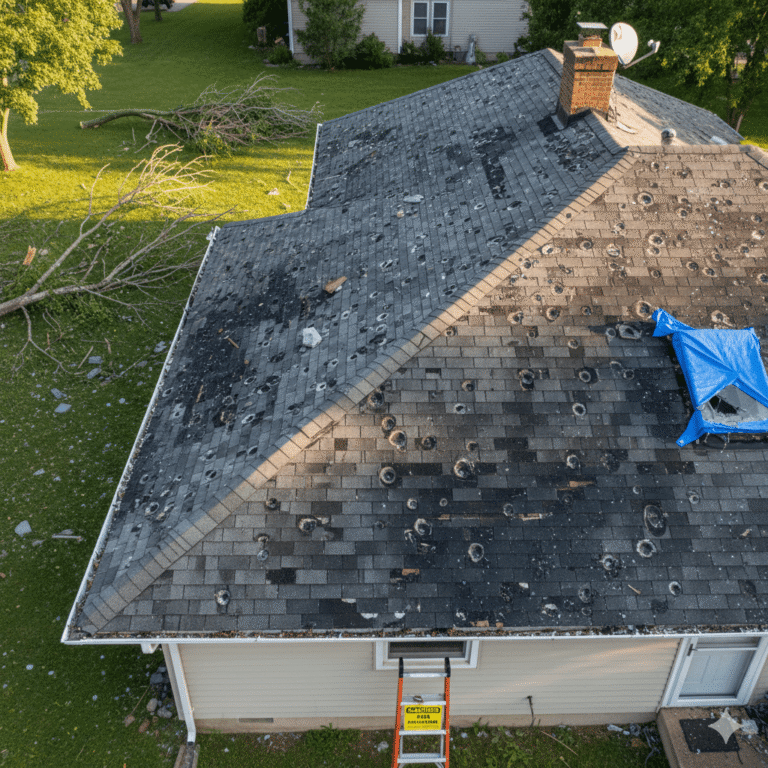
This is usually the most obvious stuff. If a big storm rolls through and a tree branch takes a chunk out of your roof, that’s a clear sign. You might see sagging areas, hear creaking noises, or notice large holes. These aren’t just cosmetic issues; they mean the underlying structure – the rafters and decking – might be damaged. A compromised roof structure is a serious safety hazard and requires immediate professional assessment.
Identifying water intrusion points
Water is the silent enemy. You might not see a tree branch, but you might see a water stain on your ceiling. This is a big red flag. Don’t assume the leak is directly above the stain; water can travel quite a distance under your shingles before it shows itself indoors. Look for:
- Water stains or discoloration on ceilings and walls, especially in the attic.
- Peeling paint or bubbling drywall where moisture has saturated the material.
- Musty or moldy odors, particularly in upper rooms or the attic, indicating hidden dampness.
- Visible drips from the ceiling or light fixtures.
If you see any of these signs, especially active dripping, it’s time to call for help. The longer water sits, the more damage it can cause, leading to rot, mold growth, and even electrical problems.
Common causes of emergency roof repair Lakewood
Lakewood’s weather can be pretty intense, and that’s often the main culprit when roofs decide to give up the ghost. We see a few patterns emerge year after year, especially when the weather gets serious.
Winter weather challenges
Winter in Northern Illinois isn’t exactly mild, and it brings its own set of roof headaches. It’s not just about the cold; it’s about what the cold does to water and the sheer weight that can build up.
- Ice Dams: These form when heat escapes your attic, melting snow on the roof. That water then runs down to the colder eaves and refreezes, creating a dam. This dam forces water to back up underneath your shingles, which is a fast track to leaks inside your home.
- Heavy Snow Loads: A big snowstorm can dump a serious amount of weight onto your roof. Wet snow is particularly heavy, and if your roof structure is older or already weakened, this extra pressure can cause sagging or, in the worst cases, even collapse.
- Freeze-Thaw Cycle Damage: Water finds its way into tiny cracks and gaps. When that water freezes, it expands, making the crack bigger. This cycle repeats with every thaw and refreeze, turning small imperfections into significant problems over time.
The constant expansion and contraction from freezing and thawing can stress roofing materials, leading to premature wear and tear, especially around vulnerable areas like flashing and seams. It’s a slow, persistent enemy that can weaken your roof over months and years.
Impact of heavy snow loads
We’ve already touched on this, but it’s worth emphasizing. The sheer weight of accumulated snow, especially after a significant blizzard, puts immense stress on your roof. Older homes or those with less robust framing might show signs of strain, like sagging rooflines, which is a clear indicator that the structure is struggling to bear the load. It’s a situation where immediate action, like professional roof snow removal, can prevent catastrophic failure.
Freeze-thaw cycle damage
This is a sneaky one. It’s not a single event but a persistent assault on your roof’s integrity. Think of it like a tiny crack in a glass that gets bigger every time you put it in the freezer. Water seeps into small fissures in shingles, seals, or flashing. When temperatures drop below freezing, that water expands, widening the crack. As it thaws and refreezes day after day, these small openings grow larger, eventually allowing water to penetrate the roof deck and into your home. This is particularly damaging in areas where water tends to pool or where flashing might be compromised.
Navigating the restoration and insurance process
Homeowner responsibilities during a crisis
When your roof decides to spring a leak or worse, a tree limb crashes through it, it’s easy to feel overwhelmed. But here’s the thing: your insurance policy likely has a clause called "reasonable steps." Basically, it means you’re expected to do what you can to stop things from getting even more messed up. This is why calling for an emergency tarp is so important. It shows your insurance company you’re doing your part. It’s not about climbing up there yourself during a storm – definitely don’t do that! It’s about making that call to a professional who can secure the area and prevent further water damage. Think of it as damage control before the main repair crew even shows up.
Documenting damage for insurance claims
This is a big one. When you call for emergency repairs, the contractor should be taking lots of pictures and notes. This isn’t just for their records; it’s for your insurance adjuster. A good contractor will give you a detailed report, often with high-resolution photos and even moisture readings if water has gotten inside. This documentation makes the adjuster’s job easier and helps make sure you get the coverage you’re entitled to. It’s like building your case, piece by piece. If a contractor replaces a damaged shingle, try to keep a small piece of the old one for the adjuster to see. It sounds like a lot of little things, but they add up.
Understanding your policy’s ‘reasonable steps’ clause
So, what exactly are these "reasonable steps"? It’s about preventing further damage. If you have a leak, putting buckets under it is a reasonable step. If a tree has made a hole in your roof, calling for a tarp is a reasonable step. What’s not reasonable is ignoring a small drip for weeks until your ceiling caves in. Insurance companies look for signs of neglect. Taking prompt action, even if it’s just temporary, shows you’re being responsible. This clause is your cue to act fast and call in the pros when disaster strikes. It’s your responsibility to mitigate the damage as much as possible after an incident occurs.
| Action Taken | Purpose |
|---|---|
| Placing buckets under drips | To collect water and prevent floor damage |
| Covering furniture | To protect belongings from water damage |
| Calling for emergency tarp | To temporarily seal the roof from weather |
| Documenting damage | To provide evidence for insurance claims |
Professional standards for emergency roof repair Lakewood
When a roofing crisis hits, the main goal is to stop the problem right away. Think of it like putting a bandage on a cut before you can get to the doctor. While you should never try to get on a wet, steep roof yourself, especially during bad weather, knowing what the pros do can help you understand the process.
The importance of immediate stabilization
When water is pouring into your home, every minute counts. The longer it sits, the more damage it can do. This means things like drywall getting ruined, insulation getting soaked and losing its ability to keep your house warm or cool, and even the wooden structure of your roof starting to rot. Stopping the leak is the absolute first priority. This prevents secondary issues that can be much more expensive and time-consuming to fix later on.
Professional tarping and board-up procedures
Professionals have the right tools and know-how to secure your roof quickly and safely. For smaller holes or wind damage, this usually means a professional tarping job. It’s not just throwing a plastic sheet over the spot. It involves using heavy-duty, weather-resistant tarps and securing them properly with wooden strips and fasteners so the wind doesn’t rip them off. If there’s a larger hole, like from a fallen tree branch, a more robust "board-up" using plywood might be necessary to keep the elements and critters out.
Here’s a quick look at what to expect:
- Emergency Tarping: Designed to stop active leaks for about 30-90 days. It’s a temporary fix to buy you time.
- Board-Up: Used for larger openings, providing more structural support and security.
- Skylight and Vent Sealing: These areas are common leak points and will be addressed during stabilization.
A professional tarp job is more than just covering the damage; it’s about creating a temporary seal that can withstand the elements until a permanent repair can be made. This careful process prevents further water intrusion and protects your home’s interior.
Temporary fixes versus permanent solutions
It’s important to remember that emergency repairs like tarping are just that – temporary. They are meant to prevent further damage while you arrange for a permanent fix. A permanent repair involves replacing damaged shingles, underlayment, and sometimes even structural wood, restoring your roof’s integrity and lifespan. The goal of the emergency service is to get you to that permanent solution without your home suffering additional harm in the meantime.
Need Help With Your Home?
TJ Builders & Developers handles roofing, siding, gutters, windows, home additions, and fire damage restoration for homes and businesses in Lakewood, Crystal Lake, Schaumburg, and nearby McHenry County towns.
- Free, no-obligation estimates
- Licensed & insured
- 20+ years of local experience
Choosing a reputable contractor for emergency roof repair
When your roof decides to throw a tantrum, especially during a storm or a harsh winter night, finding someone to fix it fast is the main goal. But with so many names out there, how do you pick the right crew? It’s easy to get caught up in the panic and just call the first number you see, but that can lead to more headaches down the road. You want a contractor who’s not just quick, but also reliable and honest.
Avoiding storm chasers
After a big storm hits Lakewood, you’ll see a lot of unfamiliar trucks and signs pop up. These are often called “storm chasers.” They’re usually from out of town, follow the bad weather, and can disappear just as quickly once they’ve collected their payment. They might offer a super low price, but their work might not be up to par, and if something goes wrong later, good luck finding them.
- Check for local roots: A company that’s been in the Lakewood area for a while knows the local building codes and has a reputation to uphold. They’re invested in the community.
- Be wary of high-pressure sales: If someone is pushing you to sign a contract on the spot, especially before you’ve even talked to your insurance company, that’s a red flag.
- Get multiple quotes: Don’t settle for the first estimate. Get at least three quotes from different companies to compare pricing and proposed solutions.
The cheapest option isn’t always the best. Sometimes, paying a little more upfront for a contractor with a solid track record saves you a ton of money and stress in the long run.
Verifying contractor licensing and insurance
This is non-negotiable. A legitimate roofing contractor will have the proper licenses required by the state and local municipalities. They should also carry general liability insurance and workers’ compensation insurance. Why does this matter? If a worker gets hurt on your property and the contractor doesn’t have insurance, you could be held responsible. Likewise, if they don’t have the right licenses, their work might not meet building codes, leading to future problems or even fines.
| Credential | What it Means |
|---|---|
| State/Local License | Legal permission to perform roofing work in your area. |
| General Liability | Covers damage to your property caused by the contractor’s work. |
| Workers’ Comp | Covers medical expenses and lost wages if a worker is injured on the job. |
Assessing material quality and workmanship warranties
Once you’ve found a licensed and insured contractor, ask about the materials they use and what kind of warranty they offer. High-quality shingles and underlayment make a big difference in how long your roof lasts. A good contractor will use materials that are suited for Lakewood’s weather, which can be pretty wild. They should also stand behind their work with a workmanship warranty. This covers any issues that arise from the installation itself, separate from the manufacturer’s warranty on the shingles. A strong warranty is a sign that the contractor is confident in their abilities and wants you to be happy with the repair for years to come. You can check out local services like TJ Builders & Developers Inc to see examples of companies that focus on quality materials and local service.
Understanding permit requirements for roofing work
When a permit is mandatory for repairs
So, you’ve got a roof issue, and you’re wondering if you need to call the city. Honestly, it’s a good question, and the answer usually depends on the scale of the problem. For most significant roofing jobs, like a full replacement or any work that touches the structural parts of your roof, you’re almost certainly going to need a permit. Think of it as the city’s way of making sure everything is up to code and safe for you and your family. It’s not just about a fee; it’s about ensuring the work meets current building standards, which is super important for handling things like heavy snow loads or strong winds we get around here. If you’re changing materials, say from shingles to something heavier like tile, that often triggers a permit too, because the structure needs to be checked to support the new weight. It’s a bit of paperwork, sure, but it’s your best protection against future problems and can even help when you decide to sell your home.
Exemptions for minor roofing tasks
Now, not every little thing requires a trip to the permit office. If you’ve only got a few square feet of damage, like maybe a small section where shingles blew off, you might be in the clear. For example, in some Lakewood areas, repairs under 100 square feet usually don’t need a permit. Also, sometimes just adding a layer of shingles over an existing one, if it’s less than a quarter of the roof, might be exempt. But, and this is a big ‘but,’ we generally advise against just layering new shingles over old ones. It can trap heat and shorten the life of your new roof. It’s always best to check with your local building department if you’re unsure. They can tell you exactly what qualifies as a minor task versus a job that needs official sign-off. You can usually find this info on the city’s building and construction permits page.
Navigating different city portals and fees
Okay, so you’ve figured out you need a permit. Now comes the fun part: figuring out how to actually get one. This is where things can get a little different depending on which Lakewood you’re in. Some cities have slick online portals, like eTRAKiT or OpenGov, where you can apply, pay fees, and even schedule inspections. Others might still use systems like CitizenServe, or you might even need to make a phone call. For instance, Lakewood, CO, often has a flat fee around $110 for a roofing permit on single-family homes, which is pretty straightforward. Other Lakewoods might have fees that vary based on the project’s cost. It’s a good idea to look up your specific city’s building department website. They’ll have the details on their portal, fee schedules, and what documents you’ll need to submit. Getting this right upfront saves a lot of headaches down the road, and it’s a key part of working with a reputable contractor like TJ Builders & Developers Inc who knows the local ropes.
Key technical requirements for roof inspections
When an inspector comes out to look at your roof, they’re not just casually glancing around. They’re checking for specific things that make sure your roof is built right and will actually keep water out. It’s all about the details, and missing them can lead to a failed inspection, which means more time and money spent fixing things.
Common violations to avoid
Inspectors see a lot of the same mistakes over and over. Knowing these common pitfalls can help you or your contractor avoid them. It’s usually the small stuff that trips people up.
- Improper Nailing: This is a big one. Shingles need the right number of nails, and they have to be in the right spot – usually a specific strip on the shingle. Too few nails, or nails placed too high or too low, won’t hold the shingle down properly, especially in high winds. For heavier materials like tile, the nailing requirements are even more strict.
- Flashing Errors: Flashing is the metal or material used to seal around anything that pokes through your roof, like chimneys, vents, or skylights. If this isn’t installed correctly, water will find a way in. This includes things like not having a "cricket" behind a wide chimney or not having drip edge installed properly at the eaves and rakes.
- Underlayment Issues: The layer beneath your shingles (like felt paper or synthetic underlayment) is super important. In colder climates, an ice barrier is a must. If the underlayment isn’t installed with the correct overlap or doesn’t extend far enough, it won’t do its job when snow and ice build up.
Inspectors are trained to spot these common mistakes. They know what to look for because they see the consequences of poor installation every day. It’s not about being difficult; it’s about making sure your home is protected.
Proper fastening and nailing patterns
This is where a lot of inspections go wrong. The manufacturer of your shingles or roofing material has specific instructions for how many nails to use and where to place them. These aren’t suggestions; they’re requirements, especially for wind resistance.
- Asphalt Shingles: Most require four to six nails per shingle. The placement is critical – usually in a designated nailing strip. Nails that are too high won’t catch the shingle below, and nails that are too low can be exposed to the elements, leading to rust and failure.
- Heavier Materials: For things like tile or metal roofing, the fastening methods are even more robust. Sometimes, the weight of the material itself requires an engineer to review the roof structure to make sure it can handle the load.
- High-Wind Areas: If you live in an area prone to strong winds, your shingles will need to meet specific high-wind ratings, which dictates the fastening pattern. Using the wrong fasteners or pattern is a quick way to fail an inspection.
Ensuring correct flashing and penetration sealing
Think of flashing as the waterproof seals around all the "holes" in your roof. These are the most vulnerable spots for leaks, so inspectors pay close attention.
- Pipe Boots: The rubber seals around plumbing vents are notorious for cracking and drying out over time due to sun exposure. These need to be replaced with new ones, not reused if they’re old and brittle.
- Chimneys and Skylights: These require specialized flashing techniques, like step flashing and counter-flashing, to properly integrate with the roofing material and the structure. Any cracks in the masonry or failing seals around a skylight are red flags.
- Drip Edge: This metal strip is installed along the edges of your roof (eaves and rakes) to direct water away from the fascia and into the gutters. It needs to be installed correctly, often under the underlayment at the eaves and over the underlayment at the rakes.
| Feature | Common Issue | Inspector’s Concern |
|---|---|---|
| Pipe Boots | Cracked or deteriorated rubber | Water intrusion around plumbing penetrations |
| Chimney Flashing | Improperly installed step or counter-flashing | Water seeping behind shingles or into the attic |
| Skylight Seals | Degraded caulk or flashing | Leaks around the skylight frame |
| Drip Edge | Missing, damaged, or incorrectly installed | Water backing up under shingles or damaging fascia |
Specialized maintenance and exterior care
Addressing ice dams and snow removal
Lakewood winters can be tough on roofs. When snow melts and then refreezes near your gutters, it creates what we call an ice dam. This dam can force water to back up under your shingles, which is a fast track to leaks inside your home. We handle ice dam removal and can also clear heavy snow loads from your roof. A cubic foot of wet snow can weigh a lot, and too much weight can stress an older roof structure. Getting that snow off before it becomes a problem is smart.
Preventing organic growth on shingles
Ever notice those dark streaks or green patches on your roof, especially on sides that don’t get much sun? That’s organic growth, like moss and algae. It might not look like much, but it can actually eat away at your shingles over time, shortening their lifespan. We offer services to safely remove this growth, keeping your shingles healthy and your roof looking good.
Skylight and gutter system importance
Sometimes, a leak isn’t directly from the shingles. A cracked seal on a skylight can let water in, or clogged gutters can cause water to overflow and damage your roof’s edge or even your foundation. Keeping your gutters clean, at least twice a year, is really important. If you have a lot of trees, you might need to clean them more often. We can help with skylight repairs and making sure your gutters are directing water away from your house properly.
A well-maintained exterior isn’t just about looks; it’s about preventing small issues from turning into big, expensive problems down the road. Regular checks and cleaning can save you a lot of headaches.
| Maintenance Task | Recommended Frequency (Average Home) |
|---|---|
| Gutter Cleaning | Twice a year |
| Roof Moss/Algae Removal | As needed (visual inspection) |
| Snow Load Assessment | After heavy snowfall |
| Skylight Seal Check | Annually |
Need Help With Your Home?
TJ Builders & Developers handles roofing, siding, gutters, windows, home additions, and fire damage restoration for homes and businesses in Lakewood, Crystal Lake, Schaumburg, and nearby McHenry County towns.
- Free, no-obligation estimates
- Licensed & insured
- 20+ years of local experience
Understanding roofing warranties and insurance claims
Manufacturer versus workmanship warranties
When you get a new roof, or even a repair, there are usually a couple of different promises about its quality. You’ve got the manufacturer’s warranty, which basically says the shingles themselves won’t fall apart prematurely. Think of it as a guarantee on the product. Then there’s the workmanship warranty. This one is from the company that actually put the roof on. It covers mistakes they might have made during installation. It’s super important to know the difference because a manufacturer might say your shingles are fine, but if they were installed wrong, you could still have a big problem.
Extended and system warranty coverage
Beyond the basic manufacturer and workmanship promises, some companies offer extended or system warranties. These can be pretty sweet because they often cover both the materials and the labor for a longer period, sometimes up to 50 years. To get these, you usually have to use specific products from a particular manufacturer and have the work done by a contractor they’ve certified. It’s like a bundled deal that gives you extra peace of mind, covering more potential issues than the standard warranties.
Working with public adjusters
Dealing with insurance claims after storm damage can be a real headache. Sometimes, the insurance company’s adjuster and your roofer might not see eye-to-eye on the extent of the damage or the cost to fix it. In these situations, some homeowners decide to hire a public adjuster. This person works for you, not the insurance company, and they’re experts at figuring out the true cost of repairs and negotiating with the insurer. They take a percentage of the settlement, but they can be really helpful in getting you a fair payout, especially for complex claims.
When a storm hits, your first instinct might be to call your insurance company. But before you do, it’s a good idea to get a professional assessment from your roofer. They can help document the damage properly, which is key for a smooth claims process. Remember, insurance policies often have clauses about taking ‘reasonable steps’ to prevent further damage, so acting fast with temporary fixes like tarping is usually a good idea and can help your claim.
The roofing process from inspection to completion
So, you’ve got a roof issue, maybe even an emergency. What happens next? It’s not just about slapping on some shingles and calling it a day. There’s a whole process involved, from the very first look to the final sign-off. It’s good to know what to expect, so you’re not left in the dark.
Scheduling a free roof inspection
First things first, you need someone to actually look at the problem. Most reputable roofing companies, including us here in Lakewood, offer free roof inspections. This isn’t just a quick glance; a good inspector will get up on your roof (safely, of course) and check everything out. They’re looking for more than just the obvious leak. They’ll check for damaged shingles, check the flashing around vents and chimneys, look at the gutters, and even inspect the attic for signs of moisture. It’s all about getting a clear picture of what’s going on before any work even begins. This initial check is super important for figuring out the scope of the problem.
Receiving a personalized estimate
Once the inspection is done, you’ll get an estimate. This isn’t just a random number. A good estimate breaks down the costs. You’ll see what materials are needed, how much labor is involved, and any other associated fees. It should clearly state what work will be done to fix your roof. We always aim to be totally transparent with our estimates, so you know exactly what you’re paying for. If you’re dealing with insurance, this detailed estimate is what you’ll give to your adjuster. It’s your roadmap for the repair.
Professional installation and final review
After you’ve agreed on the estimate and the work is scheduled, the actual repair or replacement begins. The crew will show up, protect your property, and get to work. They’ll remove old materials if necessary, install new underlayment, flashing, and then the new roofing material itself. The goal is always to do the job right the first time, following all the local building codes. Once the main work is done, there’s a final review. This is where the project manager or foreman walks the roof with you, making sure everything looks good and meets your satisfaction. They’ll check for any missed spots, clean up the site thoroughly, and answer any last questions you might have. It’s that final check that makes sure the job is truly complete and you’re happy with the results. Proper ventilation is also a key part of this, helping to keep your attic dry and your roof healthy long-term. Learn about attic ventilation.
The entire process, from that first call to the final nail, is designed to be as smooth as possible. It’s about restoring your peace of mind along with your roof.
From the first look at your roof to the final nail, we handle everything. We make sure your roof is in great shape. Want to know more about how we do it? Visit our website to see the full process!
Don’t Wait, Act Fast!
Look, nobody wants to deal with a leaky roof, especially when it’s an emergency. It’s a real headache. But remember, the sooner you get it checked out and temporarily fixed, the less damage you’ll have later. Think of it like a small cut – you clean it up right away so it doesn’t get infected. So, if you’re in Lakewood and your roof is acting up, don’t just stare at the drip. Grab your phone, find a local pro you trust, and get that temporary fix in place. It’s the smartest move to keep your home safe and sound.
Frequently Asked Questions
How do I know if my roof needs an emergency repair?
You need an emergency repair if water is actively coming into your house, if a big part of your roof is damaged (like from a fallen tree), or if you see large sections of shingles are missing, leaving the wood underneath exposed. Basically, if it’s a serious problem that could cause more damage quickly, it’s an emergency.
What’s the difference between an emergency repair and a regular roof repair?
An emergency repair is for sudden, serious problems that need fixing right away to stop more damage, like a big leak or a hole. A regular repair is for smaller issues, like a few loose shingles or a minor leak that can wait a bit without causing major harm.
How long will a temporary tarp on my roof last?
A professional tarp is a temporary fix, usually lasting about 30 to 90 days. It’s meant to protect your home until a permanent repair can be made. Things like strong winds or lots of sun can make it wear out faster.
Can you fix my roof during a storm?
Safety comes first. We can’t work on a roof during lightning or really heavy rain. But, if there’s a break in the storm, we can try to stabilize the situation and put up a tarp. The main repair will usually be scheduled for a dry day.
What should I do right after storm damage to my roof?
First, stay safe inside until the storm is over. Then, check for leaks inside your house. From the ground, look for any missing shingles. Don’t climb on a wet or damaged roof yourself! Call a local roofing company for a safe inspection.
Do I need a permit for emergency roof repairs?
Usually, for emergency temporary fixes like tarping, a permit isn’t needed because the goal is to prevent further damage right away. However, for permanent repairs, you’ll likely need to get the proper permits from the city.
How much does an emergency roof repair cost?
The cost can vary a lot depending on how bad the damage is and what needs to be done. It’s best to get a free estimate from a trusted roofing company. They can tell you the price before they start any work.
What if my insurance doesn’t cover the emergency roof repair?
Many insurance policies have a clause that requires you to take ‘reasonable steps’ to prevent more damage. Doing things like getting a tarp can show you did your part. Make sure to document all the damage with photos and keep good records. If you’re unsure, talk to your insurance agent or consider hiring a public adjuster.