Making Smart Decisions for Business Window Replacement
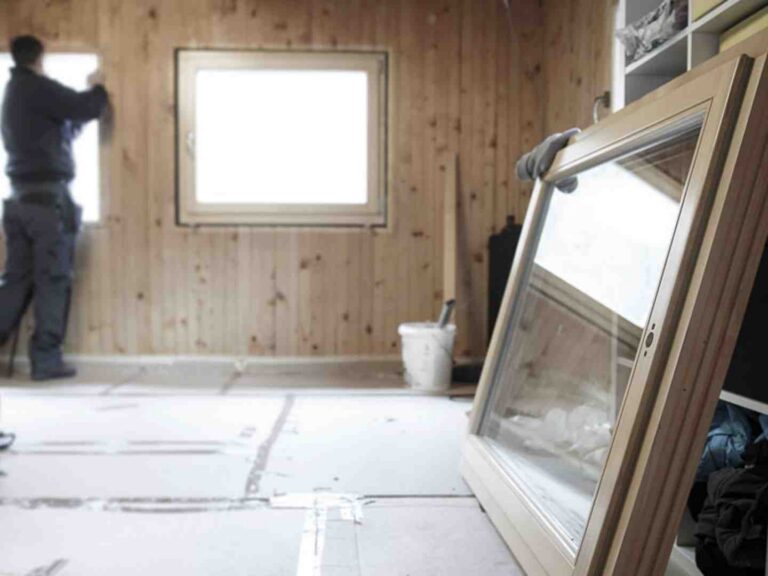
A successful business window replacement involves upgrading outdated, drafty, or damaged commercial glass with modern, high-performance glazing systems to cut operating costs and protect your property.
Here is how property owners should approach commercial window upgrades:
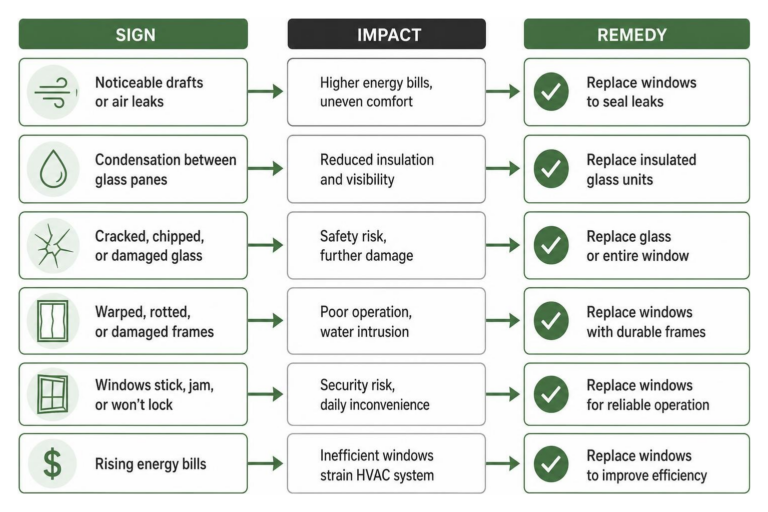
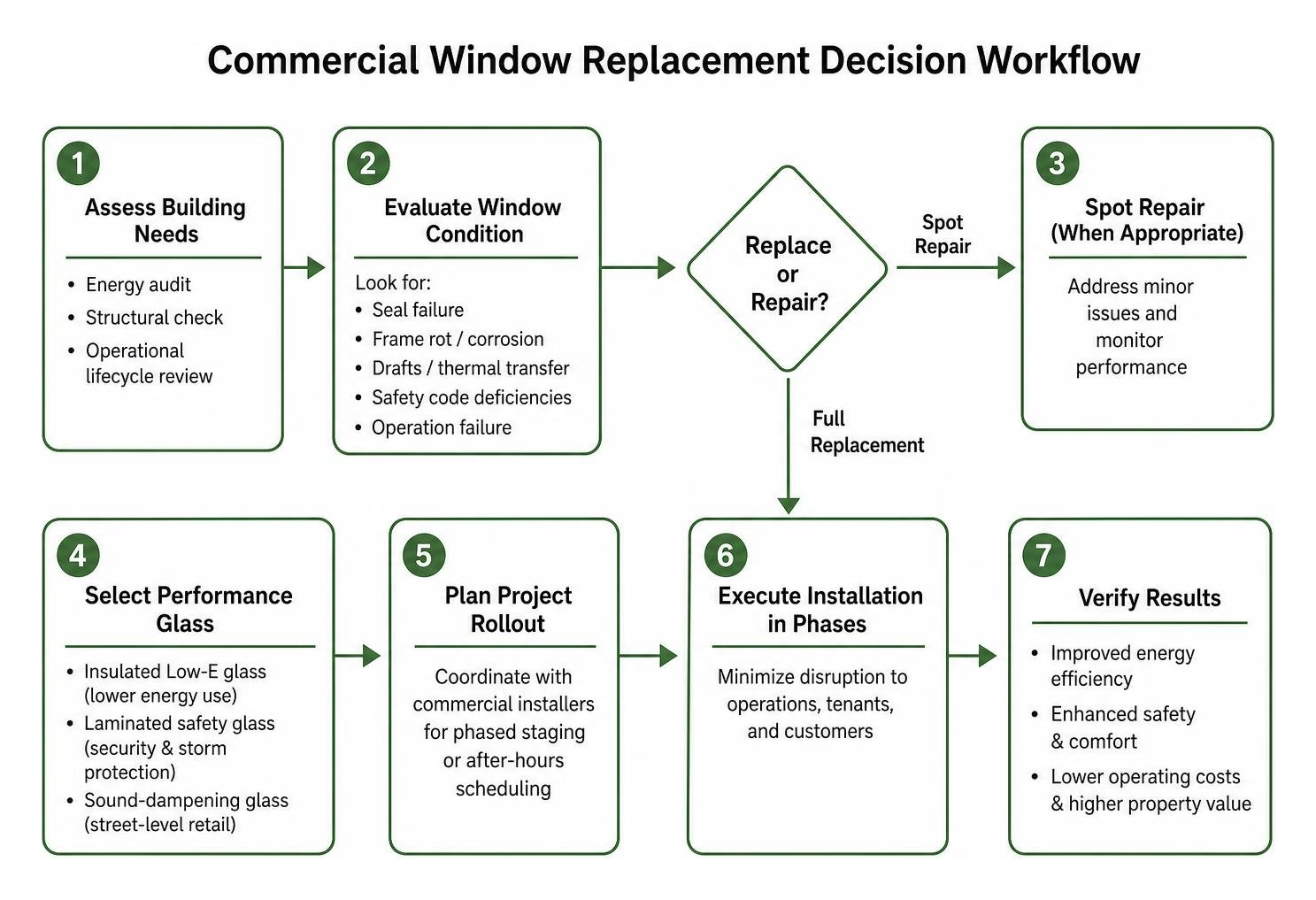
- Assess the damage: If you notice seal failure (foggy panes), frame rot, persistent drafts, or cracked storefront panels, full replacement is safer and more cost-effective than spot repairs.
- Pick the right performance rating: Use insulated Low-E glass to lower heating and cooling loads, laminated safety glass for forced-entry and storm protection, or sound-dampening glass for street-level retail.
- Coordinate the project rollout: Work with commercial installers who offer phased staging or after-hours scheduling so your business operations never skip a beat.
I’m Thomas Pruszynski, owner of TJ Builders & Developers, where we’ve spent over 20 years helping property owners upgrade and protect their buildings with expert exterior renovations and business window replacement solutions. Below, I’ll walk you through everything you need to know about commercial glass options, permitting timelines, and project planning.
Basic business window replacement vocab:
- Understanding Andersen Window Pricing: What to Expect
- Best Window Installation Near Me: Avoid These 5 Contractor Red Flags
- A Quick Start Guide to Comparing Window Installation Replacement Costs
Strategic Planning for Business Window Replacement Projects
Upgrading your commercial building envelope requires careful long-term capital expenditure planning. As facility managers and property owners in Northern Illinois know, harsh seasonal weather swings between blistering summer heat and sub-zero winter chills put heavy demands on building materials. Performing comprehensive energy audits and structural integrity checks helps establish where your building stands in its operational lifecycle.
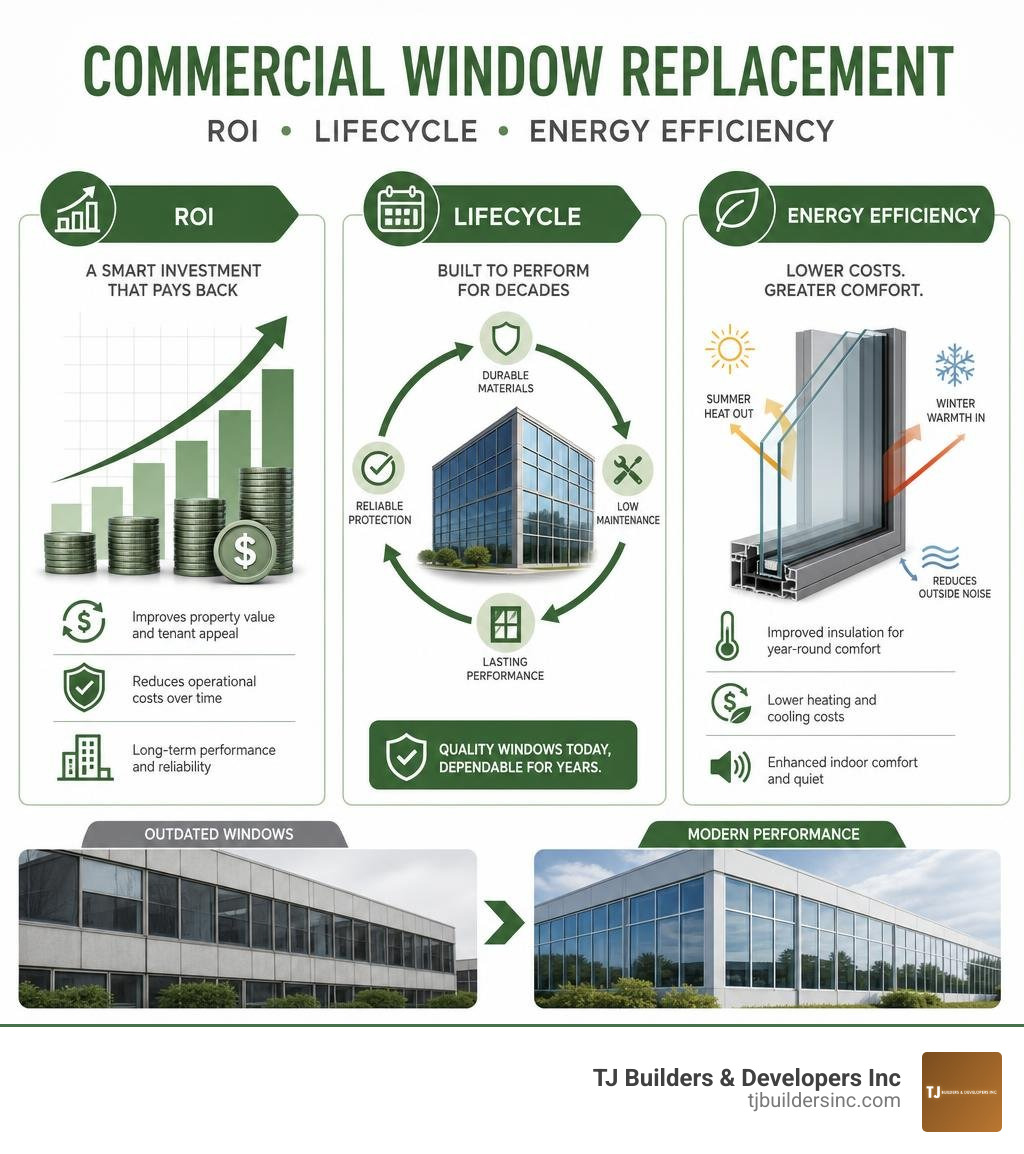
Windows represent a significant portion of a building’s thermal envelope. When older units degrade, they force HVAC systems to work overtime, drive up utility overhead, and diminish property aesthetics. Strategic planning ensures that your capital improvements deliver maximum return through lower operating costs, elevated tenant retention, and enhanced property value.
Determining When Business Window Replacement Outweighs Spot Repairs
Deciding whether to patch a window or replace the entire assembly depends on the extent of damage and underlying structural conditions. Surface chips or minor hardware issues can occasionally be addressed with spot repairs, but widespread deterioration calls for complete replacement.
Common indicators that you need full replacement include:
- Persistent Seal Failure: When double-pane glass fogs up or collects moisture between panes, the insulating gas has escaped. If you want to don’t let the fog win with expert glass repair, it is important to understand that recurring moisture between insulated units requires replacing the glass unit or the full frame assembly to restore thermal efficiency.
- Framing Rot and Corrosion: Water intrusion around older wooden or un-insulated metal frames leads to rot, mold, and hidden structural decay within the rough opening.
- Drafts and Thermal Transfer: Noticeable drafts or significant temperature fluctuations near exterior walls indicate degraded weatherstripping and failed frame insulation.
- Safety Code Deficiencies: Older commercial glass may lack modern tempered or laminated safety ratings, creating significant liability risks in high-traffic zones.
- Operation Failure: Windows and commercial entry doors that stick, sag, or fail to latch compromise building security and emergency egress pathways.
Phased Installation Strategies to Minimize Operational Downtime
Business continuity is essential during any exterior renovation. No commercial property owner wants noisy installations disrupting client meetings, retail foot traffic, or office productivity.
Professional installation teams utilize phased scheduling to keep your doors open:
- Floor-by-Floor and Wing Staging: Replacing units in designated sections allows business operations to continue uninterrupted in other areas of the building.
- After-Hours and Weekend Work: Scheduling tear-outs and heavy structural glazing during evenings or weekends ensures zero foot-traffic interruption for retail, hospitality, and medical facilities.
- Containment and Safety Perimeters: Crews erect temporary dust barriers, protective floor coverings, and exterior safety perimeters to protect employees, visitors, and interior furnishings.
- Clear Stakeholder Communication: Providing advance schedules to tenants and department managers ensures everyone knows when specific openings will be serviced.
Need Help With Your Home?
TJ Builders & Developers handles roofing, siding, gutters, windows, home additions, and fire damage restoration for homes and businesses in Lakewood, Crystal Lake, Schaumburg, and nearby McHenry County towns.
- Free, no-obligation estimates
- Licensed & insured
- 20+ years of local experience
Commercial Glass Types and Energy Performance Upgrades
Selecting modern commercial glazing involves balancing thermal insulation, solar heat control, acoustic performance, and structural strength.
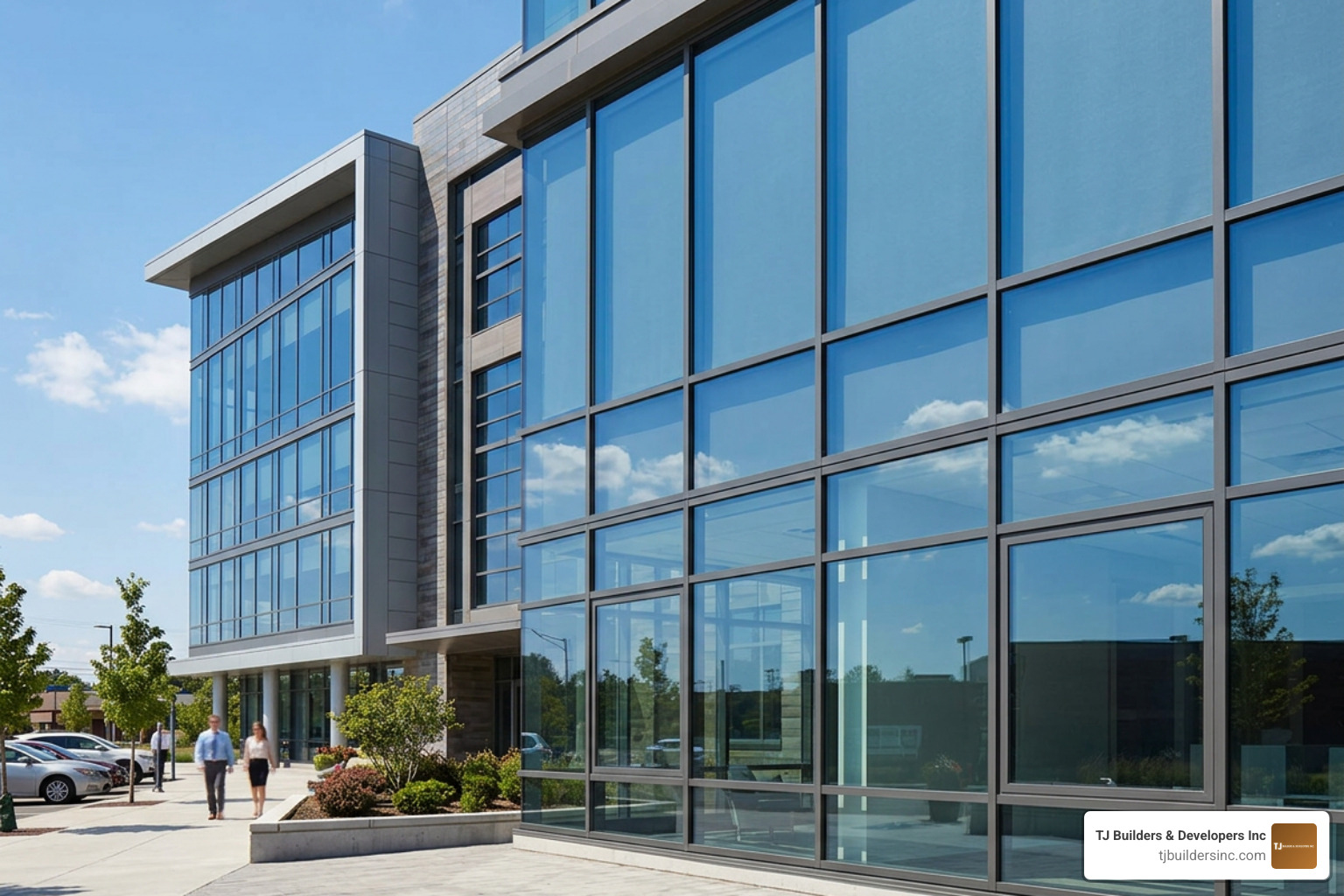
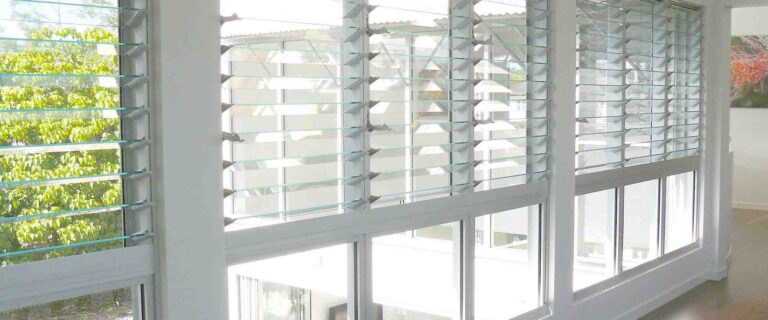
High-performance commercial glass improves indoor environmental quality by dampening roadway noise, eliminating cold drafts, and allowing natural sunlight to enter without excessive heat gain.
Specialized Glass Technologies for Business Window Replacement
Different commercial applications demand specialized glass formulations engineered for safety, security, and extreme weather resilience:
- Tempered Safety Glass: Heat-treated to be four to five times stronger than standard annealed glass. When broken, it fractures into small, blunt cubes rather than jagged shards, meeting building codes for doors and low-level windows.
- Laminated Security Glass: Built with a tough polyvinyl butyral (PVB) or ethylene-vinyl acetate (EVA) interlayer bonded between glass sheets. Even if struck forcefully, the interlayer holds the glass intact, preventing forced entry and keeping weather elements outside.
- Impact-Resistant Glazing: Engineered to withstand severe storms, windborne debris, and high wind pressures, making it critical for long-term structural durability.
- Security Films: Applied to existing or newly installed glazing to increase shatter resistance, holding fractured glass in place during an impact event.
Energy Savings, Thermal Breaks, and Low-E Glazing Systems
Older aluminum commercial frames act as direct thermal conductors, transferring winter cold and summer heat straight into your interior spaces. Modern commercial systems utilize thermally broken aluminum frames, which feature a non-conductive polyamide barrier separating the interior and exterior metal profiles.
When paired with modern Low-Emissivity (Low-E) coatings, insulated glass units (IGUs) reflect infrared and ultraviolet light while allowing visible daylight to pass through. To stop throwing money out the window with energy efficient upgrades, property owners must pay attention to two key performance metrics:
- U-Factor: Measures the rate of heat transfer. Lower numbers indicate better insulation against winter heat loss.
- Solar Heat Gain Coefficient (SHGC): Measures how much solar heat enters through the glass. Lower numbers reduce cooling loads during hot summer months.
| Glazing System | Primary Features | Energy Performance (U-Factor / SHGC) | Security & Sound Level | Best Commercial Application |
|---|---|---|---|---|
| Standard Double-Pane Low-E | Insulated unit with argon gas fill and Low-E coating | Moderate (U: 0.28–0.32 / SHGC: 0.25–0.35) | Standard acoustic dampening; tempered safety glass | General commercial offices, low-rise corporate parks |
| Thermally Broken Laminated | Thermal-barrier frame, laminated outer pane, Low-E | High (U: 0.22–0.26 / SHGC: 0.20–0.28) | High forced-entry resistance; superior noise reduction | Ground-floor retail, banks, urban medical suites |
| Triple-Pane Architectural | Three glass layers, dual gas cavities, multi-coat Low-E | Maximum (U: 0.15–0.20 / SHGC: 0.18–0.24) | Maximum acoustic isolation; heavy structural frame | High-exposure facades, cold-climate corporate centers |
| Impact-Rated Storefront | Reinforced structural aluminum with heavy PVB lamination | Superior (U: 0.24–0.29 / SHGC: 0.22–0.30) | Extreme impact resistance; severe weather protection | Street-level retail storefronts, entry vestibules |
Storefront Glazing vs. Standard Commercial Windows
Retail storefronts have unique architectural and functional requirements compared to standard upper-story commercial windows. Storefront systems serve as the visual face of your business, requiring large, uninterrupted viewing areas that showcase merchandise while withstanding heavy everyday use.
High-traffic entrance doors require durable commercial hardware, heavy-duty pivots, and smooth-operating door closers. Furthermore, storefront glazing must incorporate high-level UV filtration to prevent direct sunlight from fading carpets, furniture, and retail merchandise displayed near display windows.
Navigating Commercial Permitting, Timelines, and Contractor Selection
Commercial window replacement projects require structured project management, strict code compliance, and careful budgeting. Property owners should review a quick start guide to comparing window installation replacement costs to understand how frame construction, custom glass dimensions, and safety ratings influence project scope.

Managing Lead Times, Permitting, and Municipal Building Codes
Unlike off-the-shelf residential windows, commercial architectural glass and heavy aluminum framing are custom-engineered and fabricated to exact opening specifications.
Key stages of the project timeline include:
- Site Survey & Engineering Review: Accurate structural measurements and architectural shop drawings are completed to meet municipal structural and wind-load codes.
- Permit Processing: Municipal building departments review commercial engineering drawings and structural attachment calculations, a process that typically requires 4 to 8 weeks depending on local jurisdiction requirements.
- Manufacturing: Commercial-grade custom IGUs and extruded aluminum frames require 6 to 10 weeks for precision fabrication.
- Phased Inspections: Local building inspectors conduct progressive structural and weather-barrier inspections during installation to sign off on code compliance before final closeout.
Vetting Commercial Installation Teams and Project Management
Executing a flawless commercial window installation requires experienced trade professionals who follow rigorous safety and construction standards. When vetting potential contractors, property owners can review best window installation near me avoid these 5 contractor red flags to spot unqualified crews early.
Essential criteria for vetting your commercial contractor include:
- Dedicated Professional Crews: Choose contractors with dedicated, factory-trained installers rather than transient labor to ensure consistent workmanship.
- OSHA Safety Certification: Verify that on-site project managers and supervisors maintain OSHA certifications to guarantee site safety.
- Comprehensive Commercial Insurance: Ensure the company carries full commercial general liability and workers’ compensation coverage.
- High Workmanship Standards: Select teams that adhere to proven exterior construction standards across all building envelope disciplines, including siding, roofing, and structural openings.
- Direct Manufacturer Warranties: Work with certified installers who provide fully backed manufacturer warranties on both the glazing units and frame coatings.
- Dedicated Project Coordination: Ensure your contractor provides a single point of contact to manage timelines, deliveries, and municipal inspections from start to finish.
Need Help With Your Home?
TJ Builders & Developers handles roofing, siding, gutters, windows, home additions, and fire damage restoration for homes and businesses in Lakewood, Crystal Lake, Schaumburg, and nearby McHenry County towns.
- Free, no-obligation estimates
- Licensed & insured
- 20+ years of local experience
Frequently Asked Questions About Commercial Window Upgrades
How long does a commercial window replacement project typically take?
From initial contract signing to final inspection sign-off, a typical commercial project spans approximately 8 to 14 weeks. The timeline is largely driven by commercial manufacturing lead times (6 to 10 weeks) and local municipal permit approvals (4 to 8 weeks). The actual on-site installation work usually takes anywhere from a few days to a couple of weeks, depending on the total number of openings and project phasing.
What financing and payment structures are standard for commercial glazing?
Commercial exterior projects typically follow a standard milestone billing structure. This generally includes an initial deposit (often 25%) upon contract signing to initiate engineering drawings and custom manufacturing, followed by progress payments tied to specific installation milestones or completed building phases, with final payment due upon substantial completion and local building department inspection sign-off.
How do businesses maintain foot traffic and security during installation?
Contractors maintain security and foot traffic by establishing protected covered walkways, using advance measurement diagrams to ensure exact fit before removing existing units, and replacing glass in single-day operational cycles. If an opening cannot be fully glazed before end-of-day, secure temporary insulated panels are installed to maintain building safety and climate control.
Conclusion
Upgrading your commercial property’s windows is an investment in long-term asset value, day-to-day energy performance, and exterior curb appeal. By choosing high-performance glazing, thermally broken frames, and an experienced installation team, you protect your building envelope against harsh weather while creating a comfortable, professional environment for tenants and visitors.
At TJ Builders & Developers Inc, we bring decades of exterior construction expertise and rigorous craftsmanship standards to every project we undertake. Whether your building requires modern storefront glass, architectural windows, or a complete building envelope upgrade, we deliver durable, weather-resistant solutions tailored to your property. Contact us today to schedule a consultation for your upcoming windows installation replacement project and let our team protect your commercial investment.