
Signs It Is Time to Call Window Replacement Contractors
Knowing when to replace your home’s windows prevents minor drafts from turning into costly structural repairs. Over time, exposure to severe weather, freeze-thaw cycles, and seasonal humidity weakens seals and distorts frame shapes.
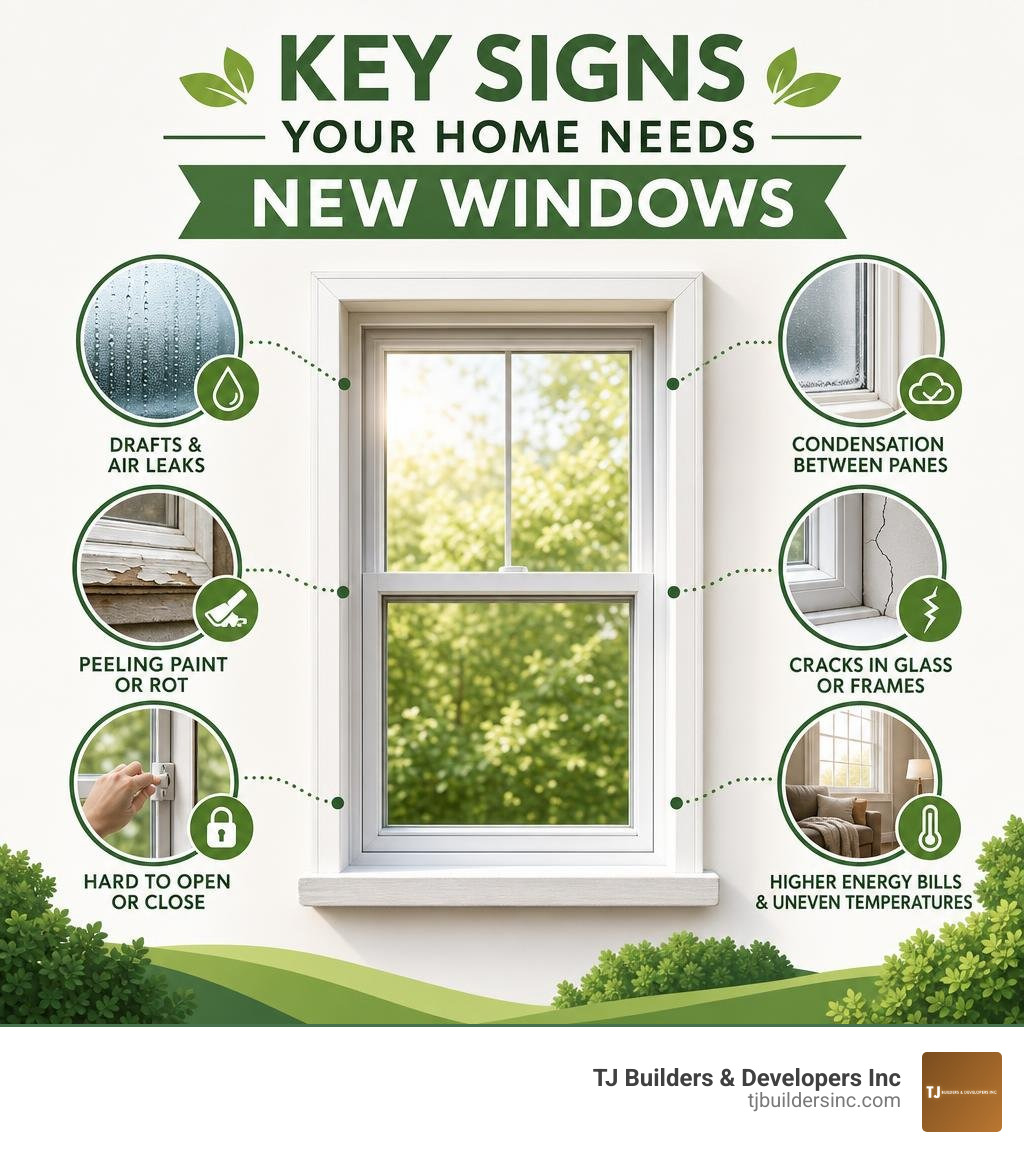
When window components fail, your heating and cooling equipment must work significantly harder to maintain stable indoor temperatures. Inspecting glass panes, interior trim, and exterior sills regularly helps you catch issues early. Homeowners seeking Expert Window Replacement Services in Lakewood Enhance Your Homes Value and Efficiency can protect their investment by recognizing the early indicators of window failure.
Identifying Window Frame Decay and Damage
Physical frame damage often signals that simple glass repair will no longer suffice. Wood frames are particularly vulnerable to moisture intrusion, which leads to wood rot, soft spots, and peeling paint along the sill.
As moisture cycles through freezing and thawing, wooden components swell and distort, causing windows to stick, jam, or refuse to lock securely. Vinyl and aluminum frames can also experience stress, warping over time under direct sun exposure and extreme temperature shifts. When frames become permanently out of square, hardware stops aligning properly, compromising both operational safety and household security.
Evaluating Energy Loss and Drafts
Thermal inefficiency is often felt before it is seen. If you stand near a closed window during cold weather and feel a noticeable drop in temperature or a cool breeze, your window units are leaking heat. Drafty frames force furnace equipment to run continuously during winter, accelerating mechanical wear and increasing monthly utility expenditures.
Seal failure between insulated glass panes is another clear warning sign. When the factory seal ruptures, insulating gas escapes, allowing ambient moisture to condense inside the sealed unit. This causes permanent fogging or water droplets between glass layers that cannot be wiped clean. Learning how to Stop Throwing Money Out the Window with Energy Efficient Upgrades starts with addressing these broken thermal barriers.
Comparing Materials and Costs for Window Replacement
Choosing the right window frame material requires balancing structural durability, maintenance demands, thermal efficiency, and home architecture. Modern replacement windows come in several distinct material compositions, each suited to specific performance needs and aesthetic goals.
| Frame Material | Structural Durability | Thermal Efficiency | Maintenance Requirements | Aesthetic Flexibility |
|---|---|---|---|---|
| Vinyl | Moderate | High | Very Low | Limited colors |
| Fiberglass | Exceptional | Superior | Extremely Low | High; paintable surfaces |
| Composite | High | Superior | Low | Versatile finish options |
| Wood | High (if maintained) | High | High (periodic sealing) | Exceptional historical match |
Breakdown of Window Frame Materials
- Vinyl: Popular for its moisture resistance and overall thermal efficiency. High-grade vinyl frames contain interior chambers that trap air, reducing heat transfer without requiring regular painting or staining.
- Fiberglass: Offers remarkable tensile strength and minimal expansion or contraction during extreme winter freezes and summer heat waves. Because fiberglass is composed primarily of glass fibers, it reacts to temperature swings at nearly the same rate as the glass pane itself, preserving glass-to-frame seals for decades.
- Composite: Blends wood fibers with synthetic resins to deliver the traditional appearance of natural timber alongside the low-maintenance resilience of modern synthetics.
- Wood: Unmatched for natural beauty and authentic historic detailing. Wood frames offer natural insulation but require diligent maintenance, including paint touch-ups and protective topcoats, to prevent rot and water penetration. Homeowners considering specialized style upgrades like a Upgrade Your View with Crystal Lake French Window Replacement often weigh real wood interiors against composite alternatives for maximum longevity.
Understanding Installation Costs and Project Timelines
The total investment required for window replacement depends on whether the installation requires a retrofit approach or a full-frame replacement.
- Retrofit (Pocket) Installation: Involves inserting a custom-sized new window unit directly into the existing, structurally sound wooden frame. This method preserves existing interior wood trim and exterior siding, making it a faster process.
- Full-Frame Replacement: Completely removes the old window, frame, interior trim, and exterior casing down to the rough house opening. This method is essential if existing framing shows rot, water damage, or structural sagging.
Project timelines vary based on home size, window count, and wall construction. A trained crew typically installs between 10 and 15 retrofit windows in a single working day, whereas full-frame replacements require additional labor for trim integration, insulation, and flashing, expanding total jobsite time.
How to Vet and Choose Qualified Window Replacement Contractors
Hiring qualified window replacement contractors requires reviewing technical credentials, insurance coverage, and installation practices rather than relying strictly on verbal assurances.
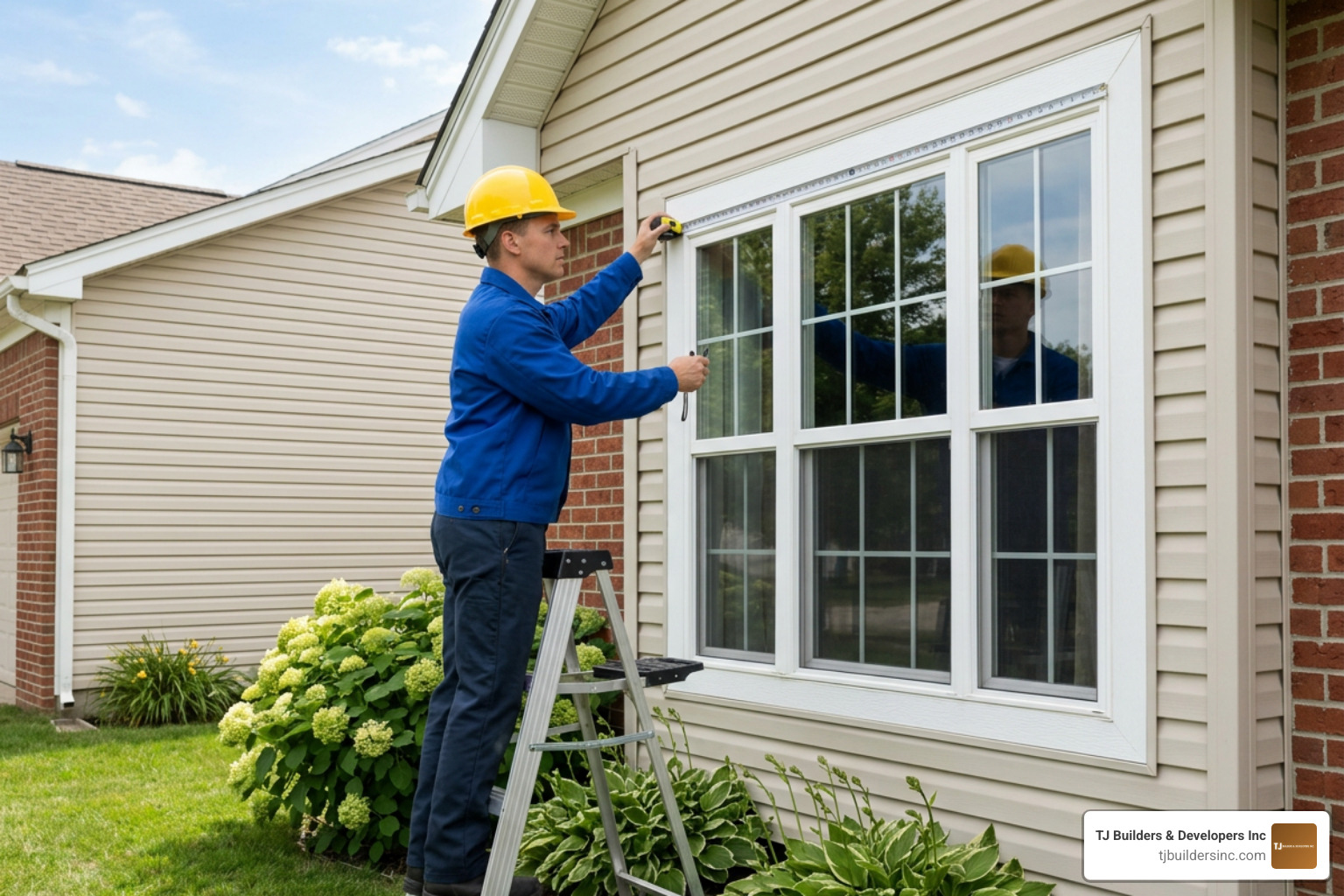
Proper vetting protects your property from water damage, structural settling, and voided product warranties.
- Verify active registration as a Home Improvement Contractor with state and local municipal authorities.
- Confirm full general liability and workers’ compensation coverage by requesting an insurance certificate issued directly from the contractor’s insurance carrier.
- Review manufacturer-specific certifications. Windows installed by factory-certified crews ensure that double-pane seals, low-E coatings, and operating hardware remain covered under manufacturer warranties.
- Clarify labor arrangements to determine whether work will be performed by dedicated in-house installation technicians or third-party subcontractors. In-house crews deliver greater accountability and quality control across every phase of the build.
Local Window Replacement Contractors vs. National Companies
Working with a local, regional contractor offers clear operational benefits over dealing with large, national call-center organizations. Regional contractors bring hands-on experience with local climate challenges, such as heavy snow, freeze-thaw expansion, and seasonal humidity swings. They are intimately familiar with local building codes, municipal permitting rules, and regional architectural designs in communities like Schaumburg, Crystal Lake, and McHenry. Local specialists also maintain established relationships with local supply houses, ensuring faster turnaround times if custom trim pieces or replacement hardware are required. Check our guide on Top Rated Window Contractor in Lakewood Your Guide to Local Experts for advice on choosing a local contractor.
Key Questions to Ask Window Replacement Contractors Before Signing
Protect your project by asking prospective window replacement contractors direct questions regarding installation protocols and project management:
- Are your installation technicians EPA Lead-Safe Certified? For homes constructed prior to 1978, federal law requires lead-safe containment and removal practices during window frame removal.
- What specific measures will you take to protect my interior floors and exterior landscaping? Professional crews lay drop cloths, establish dust barriers, and clean glass debris daily.
- Will you provide a detailed, itemized estimate that breaks down materials, labor, permitting, and disposal fees separately? Avoid vague flat-rate proposals.
- How do you handle unexpected structural repairs if rot is discovered inside the rough opening? Establish clear hourly rates or change-order guidelines before work begins. Reading through Don’t Get Framed When Hiring Your Next Siding and Window Contractor offers deeper insight into protecting yourself during contractor selection.
How to Compare Quotes and Evaluate Warranties
Comparing proposals from multiple window replacement contractors requires analyzing scope details rather than simply looking at the bottom-line total. Ensure every quote explicitly states the manufacturer name, window series, glass package specs (such as Low-E coatings and gas fills), frame material, and exact installation method (retrofit vs. full-frame).

Pay close attention to warranty structures. A comprehensive window replacement package provides dual-layer protection:
- Manufacturer Product Warranty: Covers glass seal failures, frame warping, factory defects, and hardware operations for periods ranging from 20 years to lifetime coverage.
- Contractor Labor Warranty: Covers installation craftsmanship, window perimeter flashing, insulation performance, and water tightness. Reliable installation contractors provide multi-year labor guarantees, ensuring that any water leaks or air drafts resulting from installation errors are resolved promptly at no cost to the homeowner.
Frequently Asked Questions About Window Replacement
How long does a typical window replacement project take?
For a standard residential home replacing 10 to 15 window units, the actual physical installation usually takes between 1 and 2 days. A certified, multi-person crew handles window removal, opening preparation, unit setting, insulating, exterior capping, and interior trim work systematically to keep your home secure and weather-protected overnight.
How much does window replacement typically cost?
Installed window costs vary based on frame material, window glass performance, opening accessibility, and whether full-frame structural replacement is required. Standard vinyl retrofit units represent the base baseline, while custom composite, fiberglass, or architectural wood windows with custom exterior clad finishes occupy higher investment Tiers. Detailed written estimates from established contractors break down precise material costs, labor hours, and disposal fees.
What warranties should I expect from a window contractor?
Homeowners should expect a dual warranty structure. The window manufacturer provides warranties against frame degradation, hardware failure, and insulated glass seal failure. Separately, your installation contractor should provide a written workmanship warranty covering water flashing, perimeter insulating foam seals, interior trim fitment, and structural alignment.
Conclusion
Replacing outdated, drafty windows is one of the most effective ways to enhance your home’s structural integrity, interior comfort, and curb appeal. By choosing high-quality materials and partnering with verified window replacement contractors, you protect your home against water intrusion, energy loss, and severe seasonal weather for decades to come.
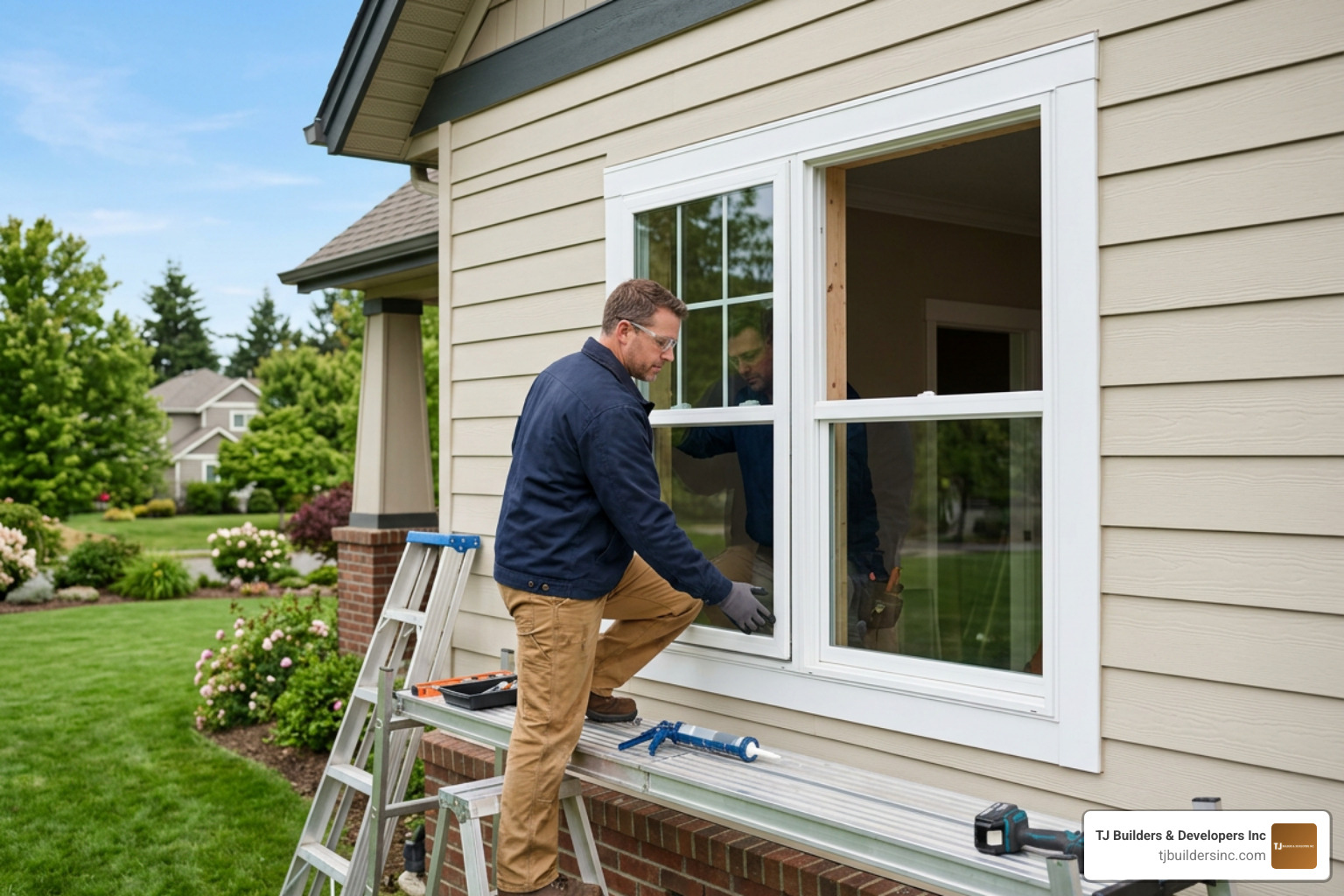
At TJ Builders & Developers Inc, we bring over 20 years of exterior construction expertise to residential projects across the Village of Lakewood, Crystal Lake, Algonquin, Huntley, Woodstock, Schaumburg, and surrounding Northern Illinois communities. Whether you require complete full-frame replacements, advanced energy-efficient glass, or comprehensive exterior upgrades, our team delivers dependable craftsmanship backed by strong structural guarantees.
Explore our comprehensive Windows Installation Replacement solutions, learn more about our complete line of exterior Services, or Contact Us today to discuss your project goals. You can also explore exterior remodeling solutions to see how integrated roofing, siding, and window upgrades protect your property from top to bottom.