Why Remodel Split Level Home Design Matters Today
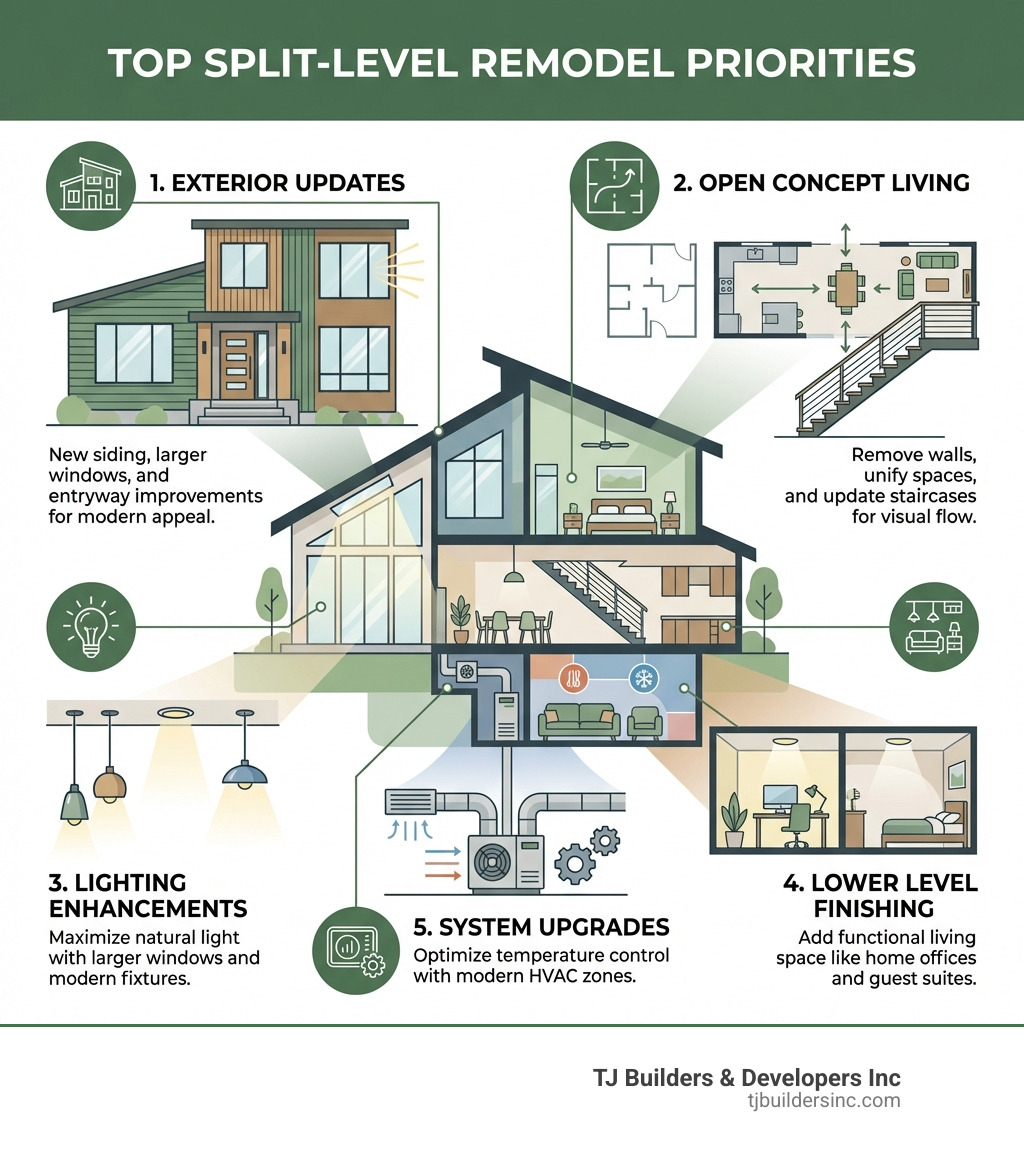
To remodel split level home designs effectively, focus on these key priorities:
- Open up the main level by removing walls between kitchen, dining, and living areas
- Modernize the exterior with updated siding, larger windows, and a welcoming entryway
- Maximize natural light through window upgrades, skylights, and strategic design
- Create visual flow with consistent flooring, modern railings, and cohesive color palettes
- Finish lower levels to add functional living space like home offices or guest suites
- Update systems including HVAC zones to address temperature variations between levels
Split-level homes, those iconic structures from the 1950s through 1970s, are experiencing a comeback. These houses were built to maximize square footage on smaller lots, making them affordable options for growing families. Today, they’re often the entry point for first-time homeowners in Northern Illinois communities like Lakewood, Crystal Lake, and Schaumburg.
But let’s be honest: many split-levels feel cramped, dark, and disconnected by modern standards. The staggered floor levels that once seemed innovative now create choppy layouts. Small windows limit natural light. Narrow entryways feel unwelcoming.
The good news? These challenges represent opportunities. Split-level homes offer more square footage than similarly priced single-story homes. Their multi-level design creates natural zones for different activities. And they respond exceptionally well to strategic remodeling, often delivering excellent return on investment.
The most impactful changes typically involve three core strategies: opening up the main level to create flowing living spaces, maximizing natural light through window and lighting upgrades, and modernizing the exterior to boost curb appeal. Smart renovations can also address temperature inconsistencies between levels and transform underused basements into valuable living areas.
I’m Thomas Pruszynski, and at TJ Builders & Developers, we’ve helped homeowners throughout Northern Illinois transform their split-level properties through exterior renovations and strategic additions for over 20 years. Whether your split-level needs new siding and windows to brighten those dark interiors or a home addition to expand your living space, the right improvements can completely revitalize these unique homes.
Glossary for remodel split level home:
Understanding the Split-Level Challenge and Opportunity
Split-level homes are distinctive, characterized by their unique multi-level layouts where floors are staggered, typically with short staircases connecting them. This architectural style, which first appeared in the Chicago area during the 1930s, gained widespread acceptance by the late 1940s and became a popular alternative to Cape Cods and ramblers in post-WWII suburbs. They were often more affordable to build than ranch homes because they used different levels without requiring a full basement, making them an efficient use of space on smaller or sloped lots.
The core of a split-level home’s design usually involves an entry level, a short flight of stairs up to the main living area (often including the kitchen, dining room, and living room), and another short flight of stairs leading to bedrooms. A lower level, often partially below grade, typically houses a family room, utility space, and sometimes an attached garage. This design creates a natural separation of zones, which can be a benefit, but it also presents specific challenges. According to this Architectural Digest article, these homes started popping up in the mid-century after World War II when families were moving out of cities, seeking more space and affordability.
Common Challenges of Split-Level Living
While split-level homes offer a lot of potential, homeowners often face several common drawbacks that can make them feel dated or less functional for modern living.
- Segmented rooms: Many split-level homes built in the mid-20th century feature small, separate rooms, leading to a “chopped-up” layout. This compartmentalization can make the main living areas feel disconnected and less conducive to open-concept living.
- Lack of natural light: Despite often having large windows on the front elevation, other areas of split-level homes, especially those deep within the staggered levels or in lower sections, can suffer from limited window space, making them feel dark and uninviting.
- Inconsistent temperatures between levels: Due to their multi-level nature, split-level homes are known for having annoying cold and warm areas. This makes it challenging to maintain a consistent, comfortable temperature throughout the house, often leading to higher energy bills as HVAC systems work harder.
- Awkward entryways: A frequent complaint about split-level homes is their cramped or non-existent entryway. You often open the front door directly onto a small landing with immediate decisions to go up or down stairs, leaving little space for welcoming guests or managing coats and shoes. This lack of a proper foyer can make the home feel less grand and less functional.
- Dated finishes: Many older split-level homes still feature the original finishes from the 1950s-1970s, which can include avocado green appliances, shag carpeting, and dark wood paneling. These elements can make the home feel out of touch with contemporary design aesthetics.
The Financial and Design Upside
Despite these challenges, split-level homes possess significant inherent value and incredible design potential, making them attractive for a remodel split level home project.
- More square footage for the price: Split-level homes often provide more square footage than other single-family homes within the same price range in areas like the Chicago suburbs. This makes them a smart investment, offering ample space that can be transformed.
- Excellent return on investment: These homes can be easily remodeled to fit modern design preferences, offering excellent return on investment for renovations and additions. Strategic updates can dramatically increase both the aesthetic appeal and market value.
- Unique architectural charm: Split-level homes have a unique architectural charm that aligns well with the mid-century modern design aesthetic, which is currently very popular. This gives them a built-in character that can be leveraged and improved.
- Zoned living spaces for privacy: The distinct levels naturally create zones for different activities, providing a functional layout where various family members can enjoy their own spaces without interfering with each other. This separation can be particularly beneficial for families or multi-generational households, offering privacy and designated areas for work, play, and relaxation. For example, a lower-level recreation room can be a dedicated play zone for children, while the main level remains a sophisticated entertaining space.
Need Help With Your Home?
TJ Builders & Developers handles roofing, siding, gutters, windows, home additions, and fire damage restoration for homes and businesses in Lakewood, Crystal Lake, Schaumburg, and nearby McHenry County towns.
- Free, no-obligation estimates
- Licensed & insured
- 20+ years of local experience
Key Exterior Remodel Strategies for Modern Curb Appeal
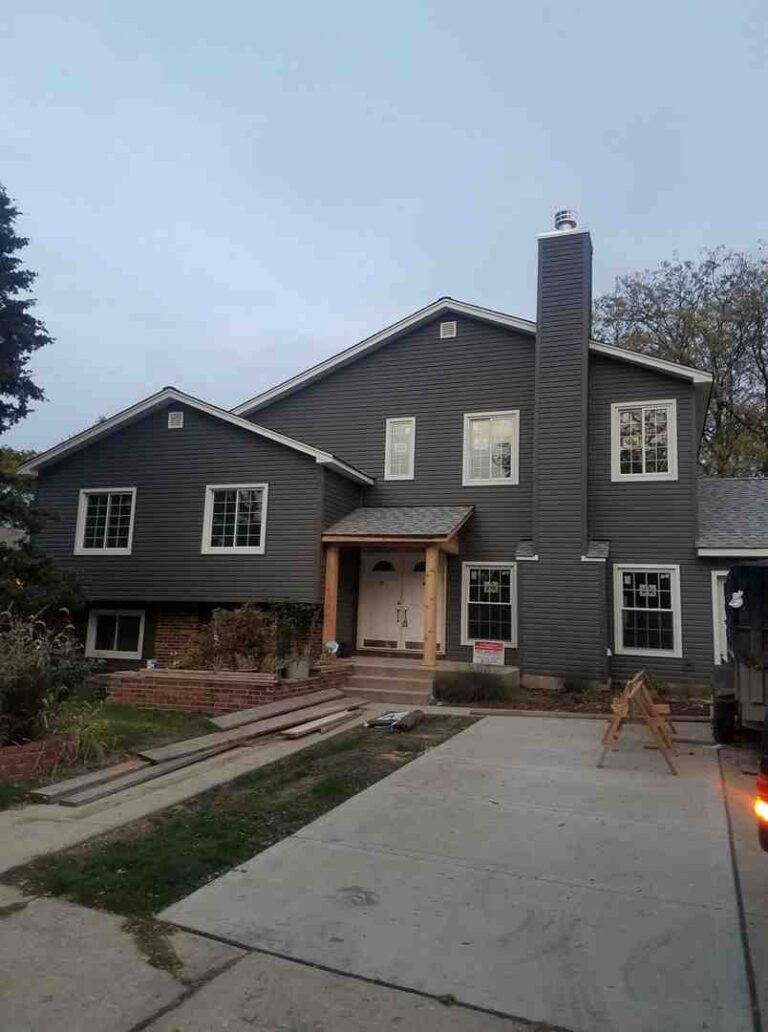
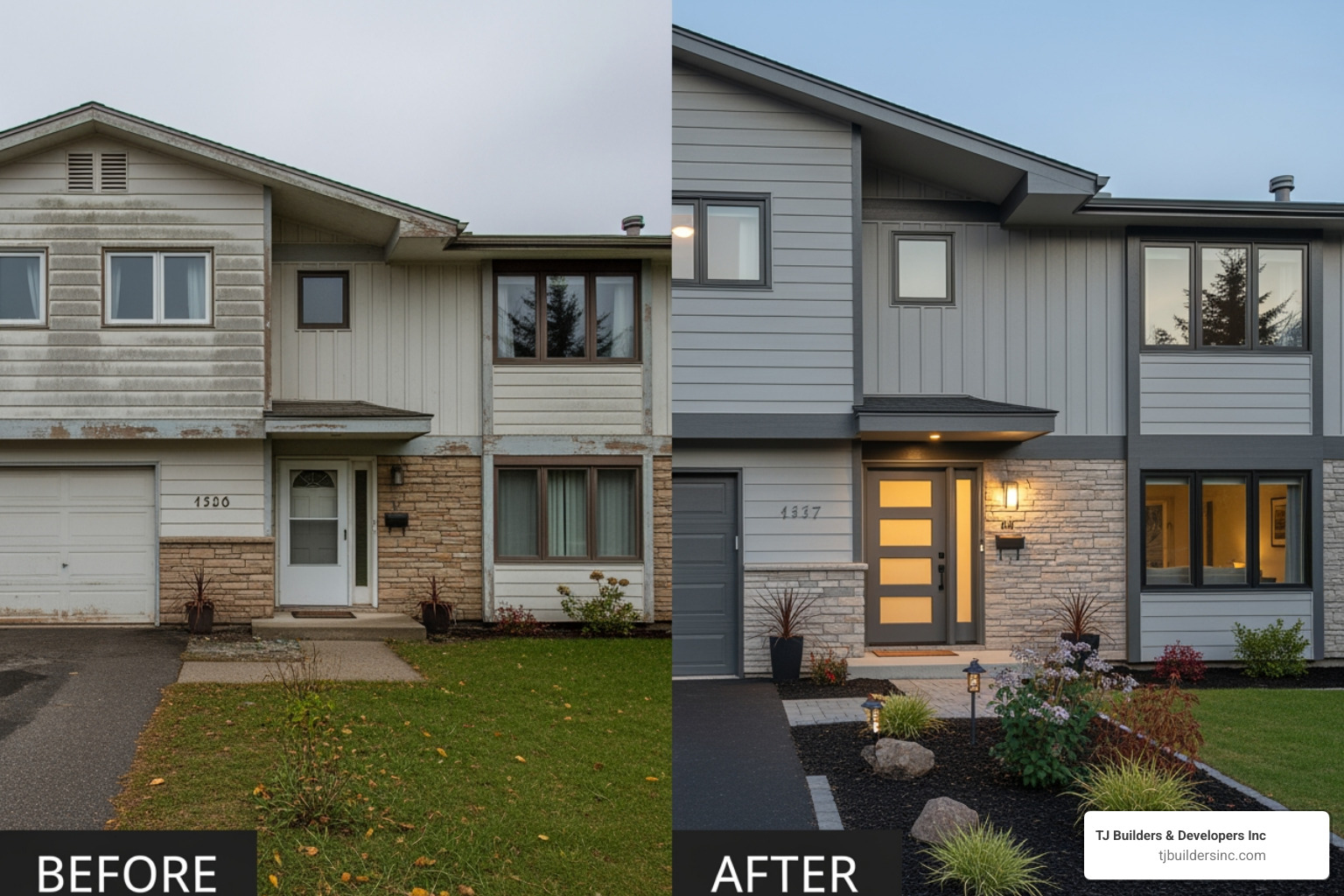
The exterior of a split-level home sets the first impression, and modernizing it can dramatically improve curb appeal and overall value. Many split-level homes, especially those from the 1960s and 1970s, often look dated. An exterior refresh can transform a tired facade into a striking, contemporary statement.
Enhancing the Facade with New Siding and Windows
Updating the exterior siding and windows is one of the most impactful ways to remodel split level home aesthetics and functionality.
- Siding updates: Replacing old siding with modern materials like fiber cement panels or vertical siding can completely revitalize the look. We recommend exploring contemporary colors and textures. You can also mix materials, such as combining stone or cedar with fiber cement, to add visual interest and depth to the facade. Siding plays a crucial role not just in appearance but also in energy efficiency, helping to maintain indoor temperatures and protect against the elements. If your siding is showing signs of mold, mildew, or damage, it’s a clear indicator that it’s time for an upgrade.
- Window replacement: Many older split-level homes have small, inefficient windows. Replacing these with larger, sleek, and energy-efficient models can dramatically increase natural light indoors and improve the home’s insulation. Consider modern window frames, such as black or dark bronze, to make a bold statement. Removing dated shutters can also streamline a house’s appearance, contributing to a more modern and uncluttered look. Our team at TJ Builders & Developers specializes in window installation, ensuring your new windows are not only beautiful but also perform optimally in Northern Illinois weather.
Creating a Welcoming and Functional Entryway
The entryway of a split-level home is often a design challenge, but it presents a significant opportunity to improve both functionality and curb appeal.
- New front door with glass: A new front door, especially one with glass inserts, can allow more natural light into what is often a dark space. Consider enlarging the front door opening to be wider and taller for a more grand and welcoming feel.
- Small porch or portico addition: Adding a small covered porch or a portico can create a more defined and inviting entry point. This can help align the entryway with the house’s facade and reduce the visual dominance of an attached garage, making the home feel more balanced.
- Updated exterior lighting: Thoughtful exterior lighting can highlight architectural features, improve safety, and make the entryway more inviting after dark.
For homeowners considering expanding their entryway or adding a porch, we offer expert services in Home Additions. These projects can transform a cramped entrance into a functional and appealing space.
How to Remodel a Split Level Home for an Open, Cohesive Interior
The interior of many split-level homes often suffers from a compartmentalized layout, making spaces feel disconnected and smaller than they are. The goal of an interior remodel split level home project is to create a sense of openness and cohesion, fostering better flow and a more contemporary living experience.
Opening Up the Main Living Area
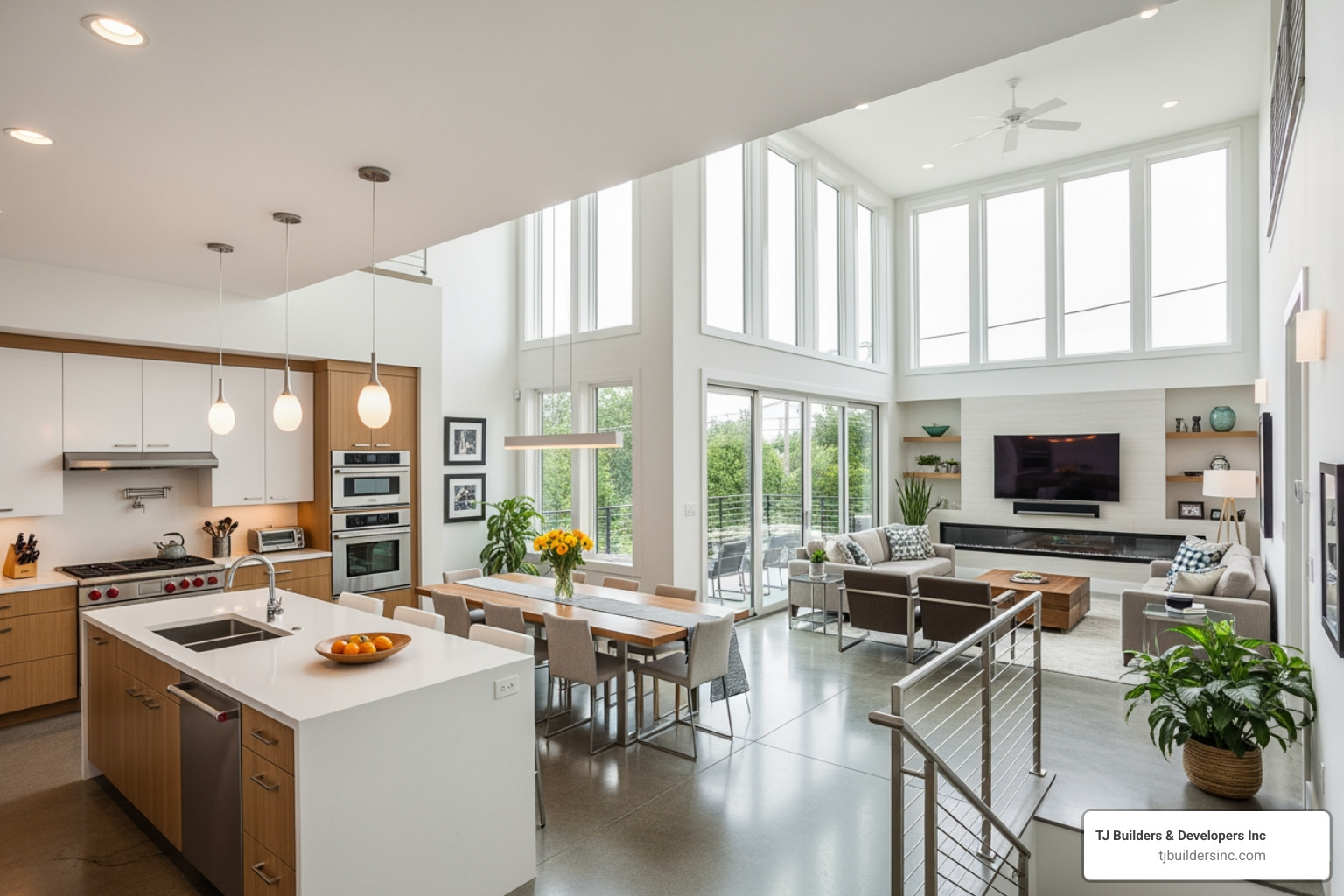
One of the most transformative changes you can make to a split-level interior is to open up the main living areas.
- Removing non-load-bearing walls: Many split-level homes have interior walls that are not structurally essential. Removing these walls between the kitchen, dining, and living rooms can create a much more spacious and open-concept floor plan. This allows for better light transfer and a more connected environment, ideal for entertaining and family life.
- Structural beams for load-bearing walls: If a wall is load-bearing, removing it requires careful planning. This involves consulting with a structural engineer and installing an appropriately sized beam (such as an LVL, steel, or glulam beam) to support the structure above. While more complex and costly, this can be a game-changer for creating truly open spaces. Our team works with qualified professionals to ensure any structural modifications are executed safely and to code.
- Kitchen islands vs. peninsulas: Once walls are removed, consider replacing traditional counters with a kitchen island or peninsula. These not only provide additional workspace and storage but also create a natural gathering spot, fostering interaction between the kitchen and adjacent living areas. Half-walls can also be used as a compromise to slightly separate living areas while maintaining a sense of openness and providing space for cabinets or countertops.
Strategies to remodel a split level home for better flow
Beyond opening up rooms, creating a cohesive visual flow is essential in a multi-level home.
- Modern staircase railings: The staircase is a defining feature in split-level homes, and updating this element can have a dramatic impact on the overall design. Replacing dated wooden spindles with sleek metal balusters, glass panels, or cable railings can create open sightlines and a more expansive feel. Removing carpeting from treads and refinishing them with polished hardwood or adding open risers also contributes to a modern aesthetic.
- Consistent color palette: Using a consistent color palette, materials, and design style across all visible areas helps to unite the different levels. This creates harmony and a smooth visual transition for the eye and mind, making the entire home feel more cohesive.
- Unified flooring materials: Installing the same flooring material on the main level and stair treads creates a seamless transition between spaces. Engineered wood or luxury vinyl tile are excellent choices for a modern and durable finish that can unify the look of your home.
When considering significant structural changes or adding entirely new levels, such as a 2nd Story to Your House, our expertise ensures that these ambitious projects are handled with precision and care, integrating seamlessly with your existing split-level structure.
Need Help With Your Home?
TJ Builders & Developers handles roofing, siding, gutters, windows, home additions, and fire damage restoration for homes and businesses in Lakewood, Crystal Lake, Schaumburg, and nearby McHenry County towns.
- Free, no-obligation estimates
- Licensed & insured
- 20+ years of local experience
Maximizing Functionality: Smart Upgrades and Space Utilization
To truly remodel split level home designs for modern living, we must look beyond aesthetics and consider how to maximize functionality, comfort, and safety. This involves smart upgrades that address specific split-level challenges and leverage underused spaces.
Creative Uses for the Lower Level
The lower level or basement space in a split-level home is often a hidden gem, offering significant potential for adding valuable living square footage. Unlike traditional basements, they often have more natural light due to being partially above ground.
- Home office: With the rise of remote work, converting a section of the lower level into a dedicated home office provides a quiet, productive space away from the main hub of activity.
- Guest suite: With the addition of a bathroom and proper egress windows, the lower level can become a comfortable and private guest suite, perfect for visitors.
- Family room or home theater: This space is ideal for a cozy family room, a dedicated home theater, or a multifunctional recreation area. It provides a separate zone for entertainment that won’t disturb other areas of the house.
- Home gym: For fitness enthusiasts, a lower-level gym offers privacy and space for equipment, without encroaching on main living areas.
- Egress window installation for safety and light: For any habitable space in the basement, especially bedrooms, installing egress windows is crucial for safety and building code compliance. These larger windows also dramatically increase natural light, making the lower level feel less like a basement and more like a bright, inviting living area.
Cost-effective ways to remodel a split level home
Not every renovation needs to be a major overhaul. Many cost-effective updates can significantly modernize a split-level home.
- Strategic painting: A fresh coat of paint in lighter, neutral colors can make spaces feel larger, brighter, and more contemporary. This is especially effective in areas with limited natural light. Avoid outdated pastels and muddy tones, leaning towards rich neutrals or warm whites.
- Updating light fixtures: Replacing old, dated light fixtures with modern, energy-efficient LED options can instantly update the look and feel of a room. Layered lighting (ambient, task, and accent) can improve functionality and create a more inviting atmosphere throughout the multi-level home.
- New hardware on doors and cabinets: A simple change of cabinet pulls, door handles, and hinges can provide an instant facelift to kitchens, bathrooms, and interior doors, coordinating with a modern aesthetic.
- Refinishing hardwood floors: If your split-level has existing hardwood floors, refinishing them with a light, clear stain can be more cost-effective than replacing them entirely, achieving a modern look and unifying spaces.
- Zoned HVAC systems for temperature control: To address the common issue of inconsistent temperatures across different levels, upgrading to a zoned heating and cooling system can be a smart investment. This allows for separate temperature control in different areas, improving comfort and potentially lowering energy bills by only heating or cooling occupied zones.
At TJ Builders & Developers, we handle a wide range of projects, from small updates to major changes. You can explore some of our successful Our Projects to see how we’ve helped other homeowners in Northern Illinois.
Frequently Asked Questions about Split-Level Remodels
What is the biggest challenge when remodeling a split-level home?
The most common challenges when undertaking a remodel split level home project often revolve around two key areas: overcoming the cramped, awkward entryway and creating an open, modern flow between the compartmentalized rooms on the main level. Many split-levels were designed with small entry points that immediately lead to stairs, lacking a proper foyer. Additionally, the original layouts often feature many small, separate rooms, which can feel dated and disconnected in today’s open-concept preferences. Addressing these two aspects can dramatically improve a split-level’s functionality and aesthetic appeal.
Is removing walls in a split-level expensive?
The cost of removing walls in a split-level home varies significantly depending on whether the wall is load-bearing or non-load-bearing. Removing non-load-bearing walls is relatively affordable, as it primarily involves demolition, drywall repair, and finishing. However, if the wall is load-bearing, it’s a more complex and costly endeavor. This requires consultation with a structural engineer to assess the load and design an appropriate support system, such as a steel or engineered wood beam. The installation of these beams, along with necessary rerouting of plumbing, electrical, or HVAC systems hidden within the wall, significantly increases the cost and complexity of the project. It’s crucial to hire experienced professionals for any load-bearing wall removal to ensure structural integrity and safety.
What remodel adds the most value to a split-level home?
For a remodel split level home project, creating an open-concept kitchen and living area on the main level, along with updating the kitchen and bathrooms, typically provides the highest return on investment. Modernizing these high-traffic areas aligns with contemporary buyer preferences for spacious, connected living. Additionally, exterior updates that boost curb appeal, such as new siding, energy-efficient windows, a modern front door, and thoughtful landscaping, also add significant value. These improvements not only improve the home’s aesthetic appeal but also improve its functionality and energy efficiency, making it more attractive to potential buyers in the Northern Illinois market.
Transform Your Lakewood Home with a Professional Remodel
Split-level homes are more than just a relic of the past; they are versatile structures with immense potential for modern living. By embracing their unique multi-level design and addressing common challenges with strategic renovations, you can transform your split-level into a highly functional, aesthetically pleasing, and valuable asset. From opening up cramped interiors to modernizing dated exteriors, the possibilities are vast.
We’ve seen how a thoughtful remodel split level home project can revitalize these unique properties, bringing them into the 21st century while retaining their inherent charm. The blend of defined zones and open-concept possibilities makes split-levels ideal for contemporary families seeking both connection and privacy.
For homeowners in the Lakewood, Crystal Lake, Schaumburg, Elk Grove Village, Rolling Meadows, South Barrington, Barrington, Bartlett, Palatine, Mount Prospect, and surrounding Chicago suburbs of Illinois, TJ Builders & Developers Inc. specializes in exterior renovations and home additions that can transform your split-level. Whether you need new roofing, siding, windows, gutters, or are considering a more extensive home addition, our team is dedicated to providing reliable workmanship, competitive pricing, and eco-friendly solutions for your satisfaction. We believe in building stronger, safer, and more beautiful homes for our community.
Are you ready to open up the full potential of your split-level home? Learn more about our Home Additions services today, and let us help you bring your vision to life.