Why a Home Addition Might Be Your Best Option
A home addition is one of the smartest ways to gain more living space without the stress and expense of moving. Instead of searching for a new house, paying realtor fees, and uprooting your family, you can expand your current home to meet your changing needs.
Here’s what you need to know to get started:
- Average Cost: Most home additions cost between $21,000 and $150,000, with a national average of $48,860 (or $80-$200 per square foot)
- Timeline: Expect 3-10 months from initial design to completion
- ROI: Home additions typically return 20-50% of their cost in added property value
- Permits Required: You’ll need building, plumbing, and HVAC permits in most areas
- Best Options: Kitchen and bathroom additions offer the highest return on investment (50-93%)
The reality is simple: when your house feels too small, you have two choices. You can move to a bigger home, or you can make your current home bigger. For many homeowners, adding on is far less expensive and disruptive than relocating.
Home additions solve real problems. Maybe you need a home office now that you’re working remotely. Perhaps your growing family needs another bedroom or bathroom. Or maybe you just want a bigger kitchen where everyone can gather comfortably.
The good news? Adding square footage to your home is more achievable than you might think. With proper planning, a realistic budget, and the right contractor, you can transform your cramped space into the home you’ve always wanted.
This guide walks you through everything you need to know—from choosing the right type of addition to understanding costs, navigating permits, and finding a trustworthy contractor.
Types of Home Additions & Creative Ideas
When considering a home addition, the possibilities are as varied as our imaginations! Whether you’re dreaming of an expansive new living area or just a bit more breathing room, there’s a solution to fit your needs and property. We typically categorize additions into a few main types: building up (adding vertical space), building out (expanding horizontally), and converting existing underused spaces. Each approach offers unique benefits and considerations, and we’re here to help you explore them all.

Here are 10 creative home addition ideas to spark your imagination:
- Second-Story Addition: Double your living space without expanding your home’s footprint.
- Room Over the Garage: Create a bonus room, in-law suite, or home office using an existing foundation.
- Modular Home Addition: A pre-fabricated room built off-site for quicker installation and potential cost savings.
- Dormer Addition: Expand your attic, add natural light, and improve curb appeal.
- Finished Basement: Transform unused basement space into a home theater, gym, or extra bedrooms.
- Kitchen Expansion: Create a larger, more functional kitchen with a walk-in pantry or breakfast nook.
- Bathroom Addition/Expansion: Add a spa-like retreat or an essential extra half-bath.
- Mudroom Addition: Organize shoes, coats, and backpacks, keeping clutter out of your main living areas.
- Sunroom/Enclosed Patio: Enjoy the outdoors year-round without battling bugs or weather.
- Bump-Out Addition: A small, cost-effective extension for a bay window, reading nook, or expanded closet.
Building Up: Second-Story & Dormer Additions
Sometimes the best way to gain space is to look up! Building vertically is an excellent strategy, especially when your lot size is limited, which can be a common consideration in the Chicago suburbs.
A second-story addition is a game-changer. Imagine doubling your home’s square footage without touching your yard! This type of home addition can significantly increase both your living space and your property’s resale value. It’s particularly popular for single-story homes, like bungalows, where adding a “bungalow top-up” can transform a modest dwelling into a spacious family home. This allows us to create new bedrooms, bathrooms, or even a luxurious primary suite upstairs. Depending on the size of your home and the complexity, adding a second story may cost anywhere between $80,000 – $600,000, while significantly adding square footage and resale value to your home. Adding a second story is a substantial project, but the rewards are immense.
If a full second story isn’t in the cards, dormer additions offer a fantastic alternative. Dormers are roofed structures that project vertically from the slope of a roof, usually containing a window. They’re perfect for attic expansion, converting previously unusable attic space into bright, functional rooms. Not only do they add much-needed natural light and headroom, but they also improve your home’s curb appeal, making it look larger and more stately. Professional installation for a dormer can cost anywhere between $12,000 to $70,000, depending on the size and scope. They’re a brilliant way to open up hidden potential in your home.
Building Out: Room Additions, Bump-Outs & Sunrooms
When you have the yard space, building out can be an incredibly effective way to expand your home. These horizontal home additions seamlessly integrate with your existing structure, creating new rooms or enlarging current ones.
A conventional room addition gives you entirely new square footage. This could be a new family room, a dedicated home office, or extra bedrooms. For example, a kitchen expansion can transform a cramped cooking area into a spacious, open-concept hub perfect for entertaining. Kitchen additions can cost between $5,000 and $125,000, with an average of $65,000. Similarly, a bathroom addition can add vital functionality and comfort, with costs ranging from $5,000 to $90,000.
For smaller, more targeted expansions, bump-outs are a clever solution. These are small extensions of rooms that add square footage without requiring extensive foundation work. Think of a cozy window seat, a larger dining nook, or a walk-in closet. Because they’re less extensive, bump-out additions can be 15-30% less than a conventional addition, typically costing between $4,000 and $30,000. They’re a fantastic way to gain a little extra space where you need it most, often without turning your entire house into a construction zone.
Finally, imagine enjoying the beauty of our Illinois seasons from the comfort of your home. Sunrooms and enclosed patios offer exactly that. A sunroom typically varies from $15,000 to $22,000, offering a bright, airy space perfect for relaxation or entertaining. If you’re considering enclosing an existing patio, back patio enclosures typically run between $8,000 to $26,000. Just remember, for these spaces to count as livable square footage, they often need to be heated and accessible directly from your home.
Space Conversions: Basements, Garages & Attics
Sometimes, the space you need is already there, just waiting to be releaseed! Converting existing, underused areas within your home is a smart and often more cost-effective way to expand.
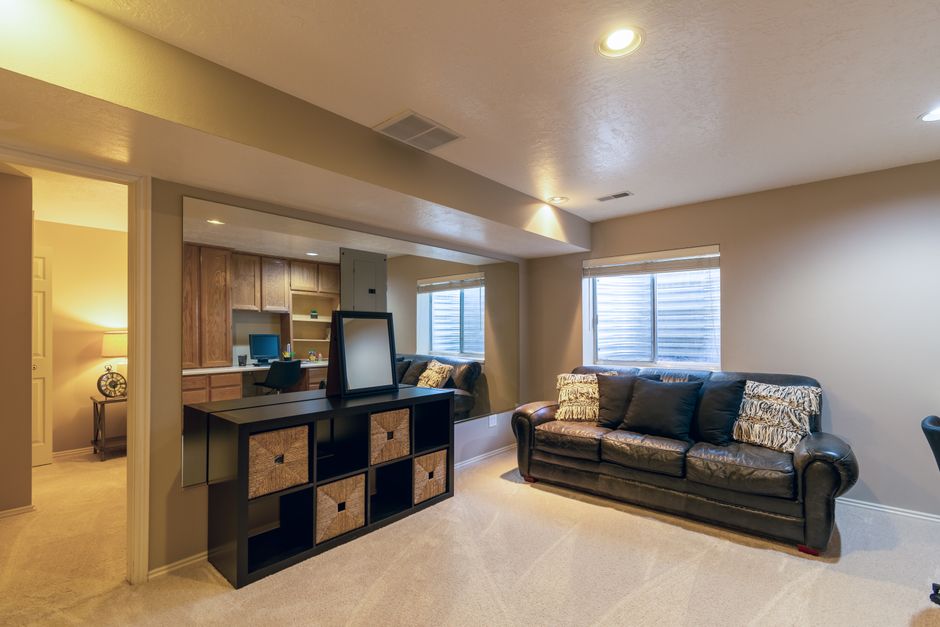
Finished basements are a prime example. Changing a damp, dusty storage area into a vibrant, functional living space adds significant value and enjoyment to your home. Whether you dream of a home theater, an entertainment room, an extra bedroom, or even a small apartment, a finished basement delivers. The average cost to finish a basement is between $2,800 to $34,000, and it offers a remarkable return on investment around 70%. Finished basements have a return on investment around 70%, making them a very appealing option for homeowners in Lakewood, Crystal Lake, and across the Chicago suburbs.
Next up are garage conversions. If you no longer use your garage for parking, or if you have ample driveway space, converting it into usable living space is a fantastic idea. Imagine a dedicated home gym, a bright art studio, a comfortable guest bedroom, or a quiet craft room. This change can add considerable square footage. The average cost to convert a garage into usable living space is between $6,000 and $26,000, and it can boast up to an 80% return on investment. It’s a creative way to repurpose existing structure into something truly valuable.
Finally, don’t forget about your attic! Attic conversions can open up a wealth of potential space right under your roof. With proper structural modifications and insulation, an attic can become a charming guest bedroom, a cozy home office, or a children’s play area. Converting an attic into livable space can recover as much as 56% of the value, and nationally, finishing a full attic space averages about $40,000. Just ensure your attic has adequate ceiling height and a proper stairway connection to be considered livable space.
Need Help With Your Home?
TJ Builders & Developers handles roofing, siding, gutters, windows, home additions, and fire damage restoration for homes and businesses in Lakewood, Crystal Lake, Schaumburg, and nearby McHenry County towns.
- Free, no-obligation estimates
- Licensed & insured
- 20+ years of local experience
Understanding the Cost and ROI of a Home Addition
Starting on a home addition project is an exciting venture, but it’s crucial to understand the financial landscape. We know you want to make a smart investment, and that means delving into costs, potential returns, and even those pesky hidden expenses.
What Factors Influence the Cost?
The cost of a home addition isn’t a one-size-fits-all number. Several key factors come into play:
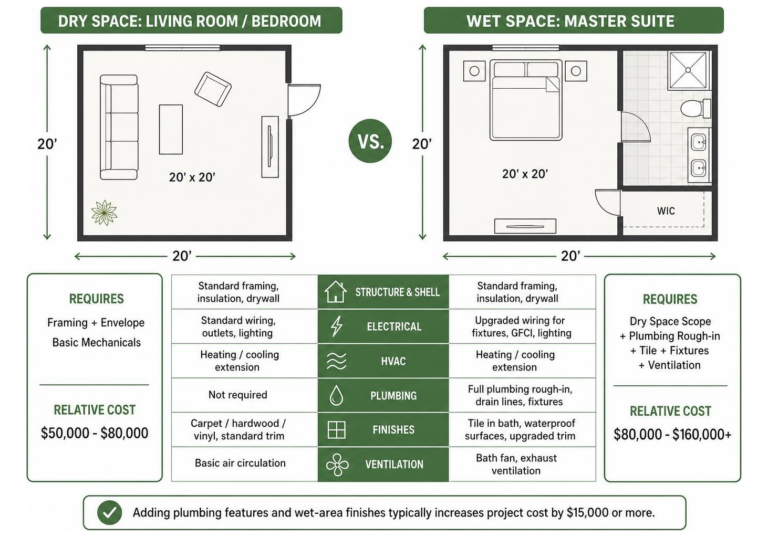
- Project Size and Scope: This is often the biggest driver. A small bump-out will naturally cost less than a multi-room, second-story addition. The complexity of the design, the number of new rooms, and whether you’re adding plumbing or electrical will all impact the final price.
- Materials: Your choices here make a significant difference. High-end finishes, custom cabinetry, specific flooring, and unique exterior siding will increase costs compared to standard options. We work with you to select materials that fit your vision and budget.
- Labor Costs: Skilled tradespeople are essential for a quality home addition. Labor can account for a substantial portion of your budget, often making up 30 to 50 percent of the total price. This includes electricians, plumbers, framers, roofers, and finishers.
- Geographic Location: Construction costs can vary regionally. While we serve the Chicago suburbs, including Lakewood, Crystal Lake, and Schaumburg, general costs can fluctuate based on local demand for labor and materials.
- Permits: Don’t forget the necessary paperwork! Permits are a non-negotiable part of any home addition project. Typical building permit costs range from $460 to $2,770, but this can vary based on the scope and your specific municipality in Illinois.
- Architectural Plans: For significant additions, you’ll need detailed plans drawn up by a licensed architect or designer. Architectural services typically cost between $2,020 and $8,400, or around 5% to 20% of the total project budget. These plans ensure structural integrity and compliance with local building codes.
- Site Preparation: Depending on the project, you might incur costs for excavation, demolition of existing structures, and site cleanup. Site preparation costs can range from $1,276 to $5,024, with larger projects potentially reaching $10,000.
Typical Costs and Return on Investment for a home addition
Understanding the typical costs and potential return on investment (ROI) for different types of home additions can help you make an informed decision. While these are national averages, they provide a good benchmark for planning purposes in the Chicago suburbs.
| Type of Home Addition | Average Cost Range (National) | Typical ROI % |
|---|---|---|
| Finished Basement | $2,800 – $34,000 | 70% |
| Garage Conversion | $6,000 – $26,000 | 80% |
| Dormer Addition | $12,000 – $70,000 | – |
| Kitchen Addition | $5,000 – $125,000 | ~93% (remodel) |
| Bathroom Addition | $5,000 – $90,000 | 50-53% |
| Mudroom Addition | $4,500 – $30,000 | – |
| Sunroom Addition | $15,000 – $22,000 | 50% |
| Back Patio Enclosure | $8,000 – $26,000 | – |
| Bump-Out Addition | $4,000 – $30,000 | – |
| Attic Conversion | ~$40,000 | 56% |
| Second Story Addition | $80,000 – $600,000 | 65% |
Note: ROI percentages can vary significantly based on market conditions, quality of work, and specific features.
As you can see, certain additions like kitchen expansions and bathroom additions tend to offer higher returns, largely because they are highly desired by prospective buyers. A kitchen remodel, for instance, can recoup almost 93% of its cost at resale. Finishing a basement, meanwhile, offers a solid return on investment around 70%.
Navigating Hidden Costs
Even with careful planning, unexpected expenses can pop up. We believe in transparency, so let’s talk about potential hidden costs:
- Unexpected Structural Issues: Especially in older homes common in our service areas, opening up walls or foundations can reveal unforeseen problems like outdated wiring, plumbing issues, or structural deficiencies that need to be addressed before continuing. It’s like finding a surprise party you didn’t plan for!
- Utility Upgrades: Your existing electrical panel, plumbing lines, or HVAC system might not be adequate for the increased load of a new home addition. Upgrading these can add significantly to the cost. For example, installing new ductwork and vents can cost around $1,150.
- Landscaping Repairs: Construction can be messy. You might need to budget for repairing your lawn, garden, or driveway once the project is complete.
- Temporary Housing Costs: For major home additions, living in your home during construction is often not advised, or even possible. You might need to arrange for temporary accommodation, which adds to your overall project expense.
- Overages: Sometimes, due to material price increases, unforeseen site conditions, or changes you request during the project, costs can exceed the initial estimate. Always build a contingency fund (typically 10-20% of your budget) to cover these possibilities.
The Planning & Building Process: From Concept to Completion
A successful home addition project is a journey, not a sprint. It requires meticulous planning, clear communication, and skilled execution. We’re here to guide you through every step, ensuring a smooth process from your initial idea to the moment you step into your beautiful new space.
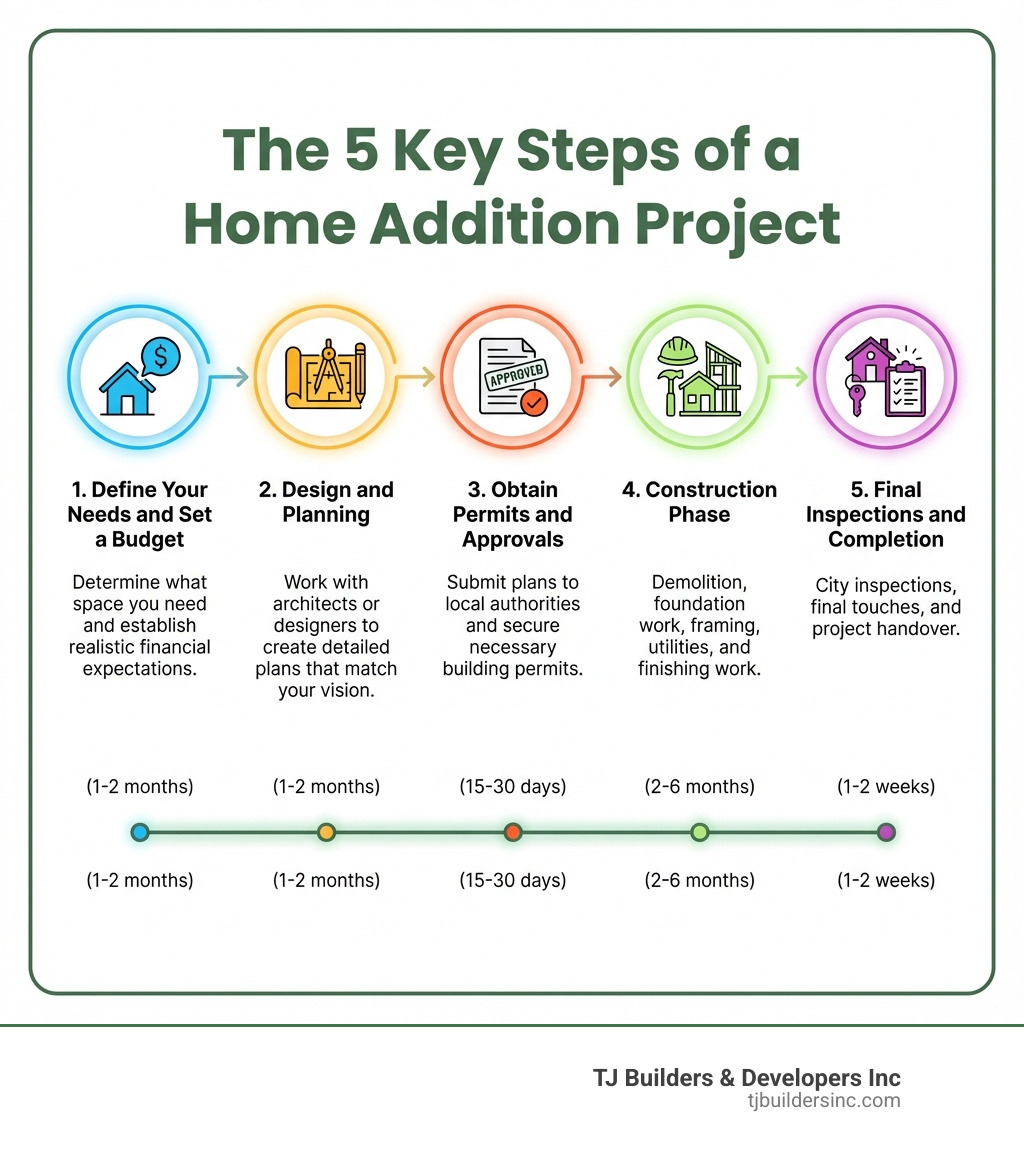
Step 1: Initial Design and Budgeting
This is where your dreams start to take shape! The first phase is all about defining your needs and creating a roadmap for your project.
- Defining Needs: What problem are you trying to solve? More bedrooms? A larger kitchen? A dedicated home office? Clearly outlining your goals will inform the entire design process.
- Creating a Realistic Budget: Before anything else, come up with a renovation budget. It’s easy to underestimate the costs, so a realistic budget will give you a clear picture of what you can afford. Remember to factor in a contingency fund for unexpected expenses.
- Architectural Plans: For any significant home addition, you’ll need professional architectural plans. A licensed architect or experienced designer will translate your vision into detailed drawings, ensuring the addition is structurally sound, aesthetically pleasing, and complies with all local building codes in places like Lakewood, Crystal Lake, and Schaumburg. They’re essential for getting accurate bids and obtaining permits.
Step 2: Navigating Permits and Zoning
This step might seem daunting, but it’s absolutely critical. Permits and zoning regulations ensure that your home addition is safe, legal, and doesn’t negatively impact your community.
- Building Permits: You will almost certainly need a building permit for your home addition in Illinois. Depending on the scope, you’ll also likely need plumbing permits and HVAC permits. Renovating without proper permits can lead to significant fines, costly rework, and issues when you try to sell your home. Typical building permit costs range from $460 to $2,770.
- Zoning Restrictions: These are local rules that dictate what you can build on your property. Key restrictions often include:
- Building Height: The maximum height your structure can reach.
- Setbacks: How far your addition must be from property lines (front, side, and rear).
- Lot Coverage: The maximum percentage of your lot that can be covered by structures.
- Floor Space Index (FSI): The ratio of total floor area of a building to the area of the plot it stands on (check local regulations for this specific term).
- Working with Your Municipality: We handle the complexities of permit applications and work closely with local building departments in the Chicago suburbs to ensure all plans meet the specific requirements of your town or city. This saves you time, stress, and potential headaches down the road.
Step 3: How to Choose the Right Contractor
Selecting the right contractor is arguably the most important decision you’ll make for your home addition. A great contractor ensures a smooth project, high-quality work, and a finished product that exceeds your expectations.
- Vetting Contractors: Start by asking for local recommendations. Look for contractors with a strong reputation in the Chicago suburbs, like TJ Builders & Developers Inc.
- Checking Licenses and Insurance: Always verify that any contractor you consider is fully licensed and insured. This protects you from liability in case of accidents or issues during the project.
- Reviewing Portfolios: Ask to see examples of their past home addition projects. This gives you a sense of their craftsmanship and design aesthetic.
- Getting Multiple Quotes: We recommend getting bids from at least three different contractors. Make sure each bid is based on the same detailed plans so you can accurately compare costs and scope of work.
- Reading Contracts: A comprehensive contract should clearly outline the scope of work, materials to be used, payment schedule, project timeline, and a dispute resolution process. Don’t sign anything until you fully understand it.
- Communication: Pay attention to how prospective contractors communicate. Are they responsive, clear, and professional? Good communication is key to a successful project.
Need Help With Your Home?
TJ Builders & Developers handles roofing, siding, gutters, windows, home additions, and fire damage restoration for homes and businesses in Lakewood, Crystal Lake, Schaumburg, and nearby McHenry County towns.
- Free, no-obligation estimates
- Licensed & insured
- 20+ years of local experience
Frequently Asked Questions about Home Additions
We get a lot of questions about home additions, and that’s great! It shows you’re doing your homework. Here are some of the most common inquiries we receive:
Should I consider a modular home addition?
Absolutely, a modular home addition is a fantastic option for many homeowners, especially if speed and minimal disruption are priorities.
- Pre-fabricated & Factory-built: Modular additions are essentially rooms or sections of a house that are built in a factory under controlled conditions. This precision manufacturing leads to high-quality construction.
- Cost Savings: Modular home additions can run 10-20% cheaper than conventional house additions. They typically cost between $65 to $200 per square foot. These savings come from reduced on-site labor and material waste.
- Faster Construction Time: Because the modules are built off-site simultaneously with site preparation (foundation work), the on-site construction phase is significantly shorter. This means less time with workers at your home and less disruption to your daily life.
- Minimized On-Site Disruption: The bulk of the construction happens in a factory, away from your property. Once the modules are ready, they are transported and assembled on your foundation, often in just a few days. This “no mess, no stress” method is a huge advantage for families.
If you’re looking for an efficient, cost-effective way to expand your home with minimal fuss, a modular home addition is definitely worth considering.
Can a home addition be used to create rental units?
Yes, in many cases, a home addition can be an excellent way to create rental units, often referred to as Accessory Dwelling Units (ADUs) or in-law suites. This can provide a significant boost to your property’s value and generate rental income.
The key here is to thoroughly understand and comply with your local zoning and building regulations in the Chicago suburbs. Many municipalities in Illinois are increasingly open to ADUs as a way to address housing needs. We can help you steer these local rules to determine what’s permissible on your property. Whether it’s a basement apartment, a garage conversion into a small dwelling, or a dedicated in-law suite, adding a rental unit can be a smart long-term investment.
How long does a typical home addition project take?
The timeline for a home addition project can vary quite a bit, depending on its complexity, size, and other factors. Generally, you can expect the entire process, from initial design to final completion, to take anywhere between 3 to 10 months.
Here’s a breakdown of what influences the timeline:
- Design Phase: This involves working with architects or designers to finalize your plans. This can take 1 to 2 months.
- Permitting Delays: Obtaining all necessary permits from your local municipality can be a variable factor. Depending on the local department’s workload and the complexity of your plans, this could take anywhere from 15 days to several months.
- Construction Phase: This is the hands-on building part. A smaller bump-out might take a couple of months, while a multi-room, second-story home addition could easily span 4 to 6 months or more.
- Inspections: Various inspections occur throughout the construction process (foundation, framing, electrical, plumbing, final). These are crucial for safety and compliance but require scheduling with local officials.
- Material Availability: Supply chain issues can sometimes cause delays if specific materials are backordered.
- Weather: Especially in Illinois, adverse weather conditions (heavy snow, extreme cold, heavy rain) can impact outdoor construction work.
We strive to keep our projects on schedule and communicate openly about any potential delays, ensuring you’re always informed.
Conclusion: Is a Home Addition the Right Investment for You?
After exploring the various types of home additions, understanding the costs and ROI, and walking through the planning process, the big question remains: Is a home addition the right investment for you and your home in the Chicago suburbs?
We believe that for many homeowners, the answer is a resounding yes. A well-planned and expertly executed home addition offers numerous benefits:
- Increased Home Enjoyment: You gain the space you need to live more comfortably, whether it’s a larger kitchen for family gatherings, a dedicated home office, or an extra bedroom for a growing family.
- Avoid the Hassle of Moving: Stay in the neighborhood you love, keep your kids in their schools, and avoid the significant stress and costs associated with buying and selling a home.
- Long-Term Value: While the immediate ROI varies, adding functional, high-quality space almost always increases your property’s value over time, making it a sound financial decision. A home addition is a worthwhile investment that gives you more room and boosts your home’s value.
- Customization: You get to design a space that perfectly fits your lifestyle and aesthetic preferences, rather than compromising on an existing home’s layout.
Undertaking a home addition is a significant project, but with proper planning, a realistic budget, and the right team by your side, it can be an incredibly rewarding experience. At TJ Builders & Developers Inc., we pride ourselves on reliable workmanship, competitive pricing, and eco-friendly solutions, ensuring customer satisfaction for every project in Lakewood, Crystal Lake, Schaumburg, and across the Chicago suburbs.
If you’re ready to transform your living space and create the home of your dreams, we’re here to help you every step of the way.