Your roof does a lot to keep your home safe and sound, but eventually, it’s going to need some attention. Whether it’s a sudden storm that causes damage or just the slow wear and tear of time, knowing when to call in the pros for a roof replacement in Lakewood is key. This guide breaks down what you need to know to keep your home protected.
Key Takeaways
- Watch for signs like curling shingles, granules in gutters, or leaks, which indicate your roof needs professional attention, possibly a roof replacement in Lakewood.
- Understand that while repairs can fix small issues, a full roof replacement is often necessary when damage is widespread or the roof is nearing the end of its lifespan.
- Be aware of permit requirements for roof replacement projects in Lakewood, as skipping this step can lead to fines and complications.
- Professional roof replacement involves careful material removal, inspection of the underlying deck, and adherence to strict building codes for safety and longevity.
- Working with a licensed and insured local roofing partner in Lakewood ensures you receive quality service backed by knowledge of local weather conditions and a commitment to customer satisfaction.
Understanding the urgency of roof replacement in Lakewood
When a storm rolls through Northern Illinois, it doesn’t always leave a polite calling card. Sometimes, it leaves a gaping hole or a steady drip in your living room. Identifying when a situation has crossed the line from a “weekend project” to a true roofing emergency is the first step in protecting your home. In our experience, a roofing emergency is any event that compromises the structural integrity of the roof or allows water to enter the home’s interior.
Identifying the need for emergency roof repair
Structural damage is perhaps the most obvious sign. If a heavy oak limb from one of Lakewood’s beautiful old trees comes crashing down, you aren’t just looking at broken shingles; you’re looking at potential rafters snapping and a direct path for the elements to enter. Similarly, fire damage requires immediate professional intervention to seal the structure from further weather-related deterioration while the restoration process begins. Water intrusion is the silent enemy. While a massive branch is loud, a failed flashing or a wind-stripped section of shingles can be quiet until the ceiling starts to sag. We utilize advanced leak detection techniques to find the entry point, which isn’t always directly above the spot where the water is dripping. Because of the way roofs are constructed, water can travel along rafters for several feet before finally showing its face on your drywall. According to research on roof maintenance, prompt stabilization is the only way to prevent secondary issues like rot and electrical shorts.
Common causes of emergency roof repair
In Lakewood and the surrounding Chicago suburbs, our weather is nothing if not "enthusiastic." We see several recurring themes when we get those midnight emergency calls:
- Severe Storms: High winds can rip off shingles, and hail can cause hidden damage that compromises the roof’s integrity. Heavy rain can overwhelm gutters and downspouts, leading to water backup and leaks.
- Falling Debris: Tree limbs, especially from older trees common in Lakewood, can fall during storms, creating holes or significant damage.
- Age and Wear: Even without a major event, an aging roof can develop weaknesses that become critical during adverse weather.
A standard repair is something like a single missing shingle or a minor gutter clog—things that should be fixed soon but aren’t actively destroying your home. A roofing emergency involves active leaks, structural compromise, exposed decking, fire damage, or anything that makes the home unsafe to occupy.
Winter-specific emergencies
Lakewood winters bring a different set of rules. While summer is about wind and rain, winter is about weight and ice.
- Ice Dams: These occur when heat from your attic melts snow on the roof, which then refreezes at the cold eaves. This creates a dam that forces liquid water up under your shingles. Professional ice dam removal is essential to stop this cycle without damaging the shingles.
- Heavy Snow Load: A cubic foot of wet snow can weigh up to 20 pounds. After a major blizzard, the sheer weight can cause older roofs to groan or sag. We provide roof snow removal to alleviate this pressure before a collapse occurs.
- Freeze-Thaw Cycles: Water expands when it freezes. If you have a small crack in your masonry or a loose shingle, the ice will widen that gap every night, turning a tiny flaw into a major leak by spring.
Signs your roof needs professional attention
Your roof works hard to keep your home safe and dry, but like anything, it doesn’t last forever. Sometimes, the signs that it’s time for a professional to take a look are pretty obvious, while other times, they’re a bit more subtle. Ignoring these indicators can lead to bigger, more expensive problems down the road. It’s always better to catch issues early before they turn into a full-blown crisis.
Curling or Cracked Shingles
Shingles are your roof’s first line of defense against the elements. When they start to curl up at the edges or develop visible cracks, it means they’re losing their ability to protect your home. This often happens as shingles age and are exposed to constant sun and weather. Think of it like old paint peeling off a car – it’s not just an aesthetic issue; it means the underlying metal is more exposed.
Granules in Gutters
Asphalt shingles have a protective layer of granules that shield them from UV rays and impact. Over time, it’s normal for a small amount of these granules to wash off into your gutters. However, if you start seeing a significant accumulation of these granules – looking like coarse sand – it’s a strong sign that your shingles are wearing out and losing their protective coating. This means they’re more vulnerable to damage from hail and wind.
Leaks or Water Damage
This is probably the most obvious sign that something is wrong. Water stains on your ceiling or walls, peeling paint, or even visible drips are clear indicators that water is finding its way into your home. Don’t assume the leak is directly above where you see the water mark; water can travel along rafters and joists before it shows itself. It’s important to address these leaks immediately to prevent mold growth and structural damage.
Sagging Roof Deck
If you notice any areas of your roof that appear to be dipping or sagging, this is a serious concern. A sagging roof deck can indicate underlying structural issues, such as rot in the wooden beams or sheathing, or it could be a sign that the roof is struggling to bear the weight of snow or ice. This is definitely not something to ignore and requires immediate professional assessment.
It’s easy to think of your roof as just "the roof," but it’s actually a complex system. Each part, from the shingles to the flashing around vents, plays a role in keeping water out. When one piece starts to fail, it can put extra stress on other parts, leading to a cascade of problems. That’s why a professional inspection is so important – they can spot these interconnected issues before they become major failures.
| Sign of Trouble | What it Means |
|---|---|
| Curling/Cracked Shingles | Shingles are aging and losing protective ability. |
| Granules in Gutters | Shingle wear is accelerating. |
| Water Stains | Active water intrusion into the home. |
| Sagging Roof Deck | Potential structural weakness or rot. |
Choosing between roof repair and full replacement
Deciding whether to patch up your current roof or go for a complete overhaul can feel like a big decision. It’s not always straightforward, and honestly, sometimes it’s hard to tell what’s truly needed. You might notice a small leak or a few missing shingles and think, "A quick fix will do the trick." And sometimes, that’s exactly right! A timely repair can definitely extend the life of your roof and save you a good chunk of money in the short term.
When repairs fall short
But here’s the thing: not all problems can be solved with a simple patch. If your roof has been through a lot – maybe a severe storm, years of harsh weather, or just the natural aging process – those small issues can add up. When you find yourself constantly calling for minor fixes, or if the damage is spread out across a large area, it might be time to think bigger. Ignoring widespread damage can lead to bigger, more expensive problems down the line, like structural rot or mold growth. It’s like trying to patch a sinking ship with a band-aid; eventually, you need a more substantial solution.
Honest advice on fixing versus replacing
We get it, nobody wants to spend more than they have to. That’s why we always aim to give you the straight scoop. Our team will take a good, hard look at your roof and tell you honestly whether a repair makes sense or if a full replacement is the smarter investment for your home’s long-term health. We consider the age of your roof, the type of materials, and the extent of the damage. Sometimes, a reroofing option, which adds a new layer over the old, might be a good middle ground, but even that has its limits.
Assessing the total damage
To figure out the best path forward, we need to look at the whole picture. This involves:
- Inspecting the shingles: Are they cracked, curling, or missing granules? This tells us about their overall condition.
- Checking for leaks and water damage: Stains on ceilings or walls are clear signs that water is getting in somewhere.
- Examining the roof deck: Is there any sagging? This could indicate underlying structural issues or rot that needs attention.
- Looking at your gutter system: Are they clogged or damaged? This can affect how water drains off your roof.
Sometimes, what looks like a minor issue on the surface can point to a larger problem underneath. We’ll help you understand the full scope so you can make an informed decision about protecting your home. If you’re dealing with storm damage, it’s especially important to get a professional inspection to identify hidden hail damage before it causes bigger problems.
The comprehensive roof replacement process
When it’s time for a full roof replacement, it’s a pretty big deal for your home. This isn’t just about slapping on some new shingles; it’s a whole system overhaul. We’re talking about stripping everything down to the bare bones to make sure what goes back on is solid.
Full roof replacement explained
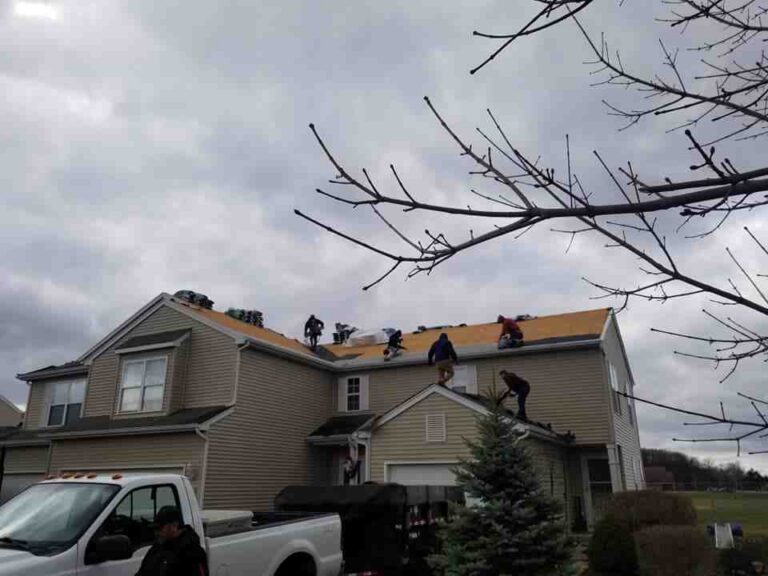
This process starts with a complete tear-off. That means removing all the old layers of shingles, underlayment, and sometimes even the flashing. It’s the only way to get a true look at the condition of your roof deck – that’s the wooden part underneath everything. We need to make sure it’s sound and ready for a new roof. Think of it like building a house; you wouldn’t build on a shaky foundation, right? The same applies here. A full replacement is the most durable and long-lasting solution when your roof has reached the end of its life or has suffered significant damage. It gives us a clean slate to work with, allowing us to install a brand-new, high-performance roofing system that will protect your home for decades.
Precision during material removal
Taking off the old stuff needs to be done carefully. We don’t want to damage the underlying structure or create new problems. Our crews work methodically, ensuring all old materials are removed safely and efficiently. This step is important because it allows us to properly inspect the entire roof deck for any signs of rot, water damage, or structural weakness. We’re looking for anything that could compromise the integrity of the new roof system we’re about to install. It’s all about getting the surface perfectly prepped for what’s next.
Inspecting the underlying wooden decking
This is a really critical part of the whole replacement. Once all the old roofing is gone, we get a clear view of the roof deck, which is usually plywood or OSB. We’re checking for any soft spots, water stains, or signs of rot. If we find any damaged sections, they need to be repaired or replaced before we can move forward. A solid, dry roof deck is the foundation for a long-lasting and leak-free roof. If the decking isn’t in good shape, even the best shingles won’t perform as they should. We document any findings and discuss the necessary repairs with you before proceeding. This thorough inspection is what separates a quick fix from a quality, long-term solution that truly protects your home.
This detailed inspection of the roof deck is non-negotiable. It’s the difference between a roof that lasts 10 years and one that lasts 30. We treat your home like our own, and that means being meticulous about every single layer of your roof system.
Need Help With Your Home?
TJ Builders & Developers handles roofing, siding, gutters, windows, home additions, and fire damage restoration for homes and businesses in Lakewood, Crystal Lake, Schaumburg, and nearby McHenry County towns.
- Free, no-obligation estimates
- Licensed & insured
- 20+ years of local experience
Navigating permits for Lakewood roof replacements
So, you’re getting a new roof in Lakewood. That’s great! But before the work even begins, there’s a bit of paperwork to sort out. Most of the time, replacing your roof means you’ll need a permit from the city. It might seem like a hassle, but it’s really there to make sure the job is done right and meets safety standards. Skipping this step can lead to fines, problems when you try to sell your house, or even having to redo the work. It’s just part of the process.
Understanding permit requirements
Think of a permit as your official go-ahead from the city. It’s a way for them to keep track of construction and make sure everything is up to code. For most roofing jobs, especially full replacements or significant repairs, you’ll need to apply for one. The exact process can differ a bit depending on which Lakewood you’re in, but the goal is always the same: to ensure your new roof is safe and sound.
When a permit is mandatory
Generally, if you’re doing a full tear-off and replacing all the old materials, you’ll definitely need a permit. Also, if there’s any structural work involved, like fixing damaged wooden decking underneath, that requires oversight. Even changing the type of roofing material, like going from shingles to something heavier like tile, might trigger the need for a permit because the house structure needs to support the new weight. It’s always better to check with your local building department to be sure.
Exemptions for minor repairs
Now, not every little thing requires a permit. If you’re just doing a very small repair, like replacing a few shingles in a small area, you might be in luck. For example, in some Lakewood areas, repairs covering less than 100 square feet might not need a permit. However, these exemptions are usually for very minor fixes. If you’re unsure, it’s always best to ask your roofing contractor or the city building department. They can tell you exactly what’s needed for your specific situation. Getting it right from the start saves a lot of headaches later on.
The permit process is there to protect you, the homeowner. It ensures that the work is inspected and meets the building codes designed to keep your home safe and structurally sound. While it adds a step, it’s a vital one for peace of mind and long-term property value.
Here’s a quick look at what might require a permit:
- Full Roof Replacement: Removing all old layers down to the deck.
- Structural Decking Repair: Replacing rotted or damaged plywood or OSB.
- Major Material Changes: Switching to significantly heavier roofing materials.
- Significant Damage Repair: Addressing large areas affected by storms or other events.
It’s always wise to consult with your chosen roofing company, like those who understand local skylight issues in Lakewood, IL, as they can guide you through the permit process specific to your city. They’ve likely handled it many times before and can make it much smoother.
Technical code requirements for roof installations
Meeting current International Residential Code
When you get a new roof in Lakewood, it’s not just about slapping on some shingles. The city follows strict building codes, mainly the International Residential Code (IRC), to make sure your roof can handle our local weather. This means everything from the materials used to how they’re put on has to meet certain standards. It’s all about making sure your home is safe and protected, especially when we get those heavy snows or strong winds.
High standards for wind resistance
Lakewood can get pretty windy, so your roof needs to be built tough. For asphalt shingles, this often means they need to meet specific classifications, like ASTM D 7158, with ratings of ‘F’ or ‘H’. These ratings show that the shingles have been tested and can stand up to high-speed winds. Using materials that meet these high-wind standards is a big deal for preventing blow-offs during storms. We always make sure to use shingles that are rated for the wind speeds common in our area.
Fastening and nailing patterns
This is where a lot of roofing jobs can go wrong if not done carefully. The number and placement of nails are super important for keeping shingles in place. Most shingles need about four to six nails, and they have to go in the right spot – the nailing strip. If nails are too high, they won’t hold the shingle below properly. Too low, and they’re exposed to the elements, which can lead to rust and failure. For heavier materials like tile, the rules are even stricter. Getting the fastening right is key to a roof that lasts.
Flashing and penetration errors
Flashing is like the waterproof seal around any openings in your roof – think chimneys, vents, or skylights. If this isn’t installed correctly, water can seep in, causing damage. This includes things like making sure a ‘cricket’ is installed behind a chimney wider than 30 inches to direct water away, and that drip edges are properly placed at both the eaves and the rakes of the roof. We also replace old pipe boots and storm collars because reusing cracked rubber is a sure way to fail an inspection. Fixing these small details prevents big problems down the road.
Inspectors are looking for specific technical benchmarks, not just a quick visual check. They want to see that the roof is installed according to code, which is designed to protect your home from the elements for years to come. This attention to detail is what separates a good roof from a great one.
Here’s a quick look at some common code points:
- Underlayment: A protective layer installed over the roof deck before shingles. It’s a critical secondary water barrier.
- Drip Edge: Metal flashing installed at the edges of the roof to direct water away from the fascia and into the gutters.
- Pipe Boots: Rubber seals around vent pipes that need to be replaced to prevent leaks.
- Fasteners: Using the correct type, size, and number of nails or screws as specified by the manufacturer and local code.
We always aim to meet or exceed these requirements, ensuring your new roof is not only beautiful but also structurally sound and compliant with all local regulations. This is part of what we do to provide reliable workmanship for your home.
Professional tarping and stabilization services
When a roofing crisis hits, like a tree limb crashing through your roof or a sudden, fierce storm, the immediate goal is to stop the damage from getting worse. This is where professional tarping and stabilization come in. It’s not just about throwing a tarp over the problem; it’s a skilled process designed to protect your home’s interior from further harm until a permanent repair can be made.
Immediate Stabilization for Roof Crises
Think of stabilization as the first aid for your roof. If you’ve got a gaping hole or active leaks, water can quickly spread, causing damage to ceilings, walls, and even your home’s structure. A professional roofing crew can arrive quickly to assess the situation and implement immediate measures to prevent this cascade of problems. This rapid response is key to minimizing the overall cost and disruption.
Professional Tarping Procedures
Professional tarping involves more than just covering the damaged area. It means using heavy-duty, weather-resistant materials that are securely fastened to withstand wind and rain. Here’s a general idea of what goes into it:
- Securing the Perimeter: Professionals use wooden strips or specialized fasteners to anchor the tarp edges firmly. This prevents wind from getting underneath and tearing the tarp off.
- Water Diversion: The tarp is often angled to direct any incoming water away from the damaged area and towards the gutters or off the roof safely.
- Material Choice: We use reinforced polyethylene tarps designed for outdoor use, which are much more durable than standard plastic sheeting.
- Timeframe: A professionally installed tarp is a temporary fix, typically meant to last anywhere from 30 to 90 days. This gives you enough time to work with your insurance and schedule the permanent repairs.
Board-Up Procedures for Larger Holes
For more significant damage, like a large hole created by falling debris, a simple tarp might not be enough. In these cases, a board-up procedure is necessary. This involves using sturdy plywood to cover the opening. It not only prevents water intrusion but also stops pests and animals from entering your home. This provides a more robust temporary solution, giving you peace of mind while you plan the full roof replacement. It’s a critical step in securing your home’s envelope after a major incident.
When disaster strikes, acting fast is crucial. Professional stabilization services are designed to halt immediate damage, protecting your home’s interior from further harm. This temporary measure buys you essential time to arrange for permanent repairs without the constant worry of worsening weather conditions.
We understand that dealing with roof damage is stressful. That’s why we aim to make the stabilization process as straightforward as possible. If you’re facing an emergency, don’t hesitate to reach out. We’re here to help secure your home quickly and efficiently. For immediate assistance in Lakewood, consider contacting TJ Builders & Developers for their emergency services.
Working with insurance after storm damage
Dealing with roof damage after a storm can be a real headache, and figuring out the insurance part often feels like another storm altogether. It’s not just about getting the roof fixed; it’s about making sure your insurance company understands what happened and covers what they should. Most policies have a clause that requires homeowners to take ‘reasonable steps’ to prevent further damage. This is why calling for emergency tarping or stabilization right away is so important. It shows your insurance company that you’re doing your part to protect your home.
Navigating the insurance claim process
When a storm hits Lakewood, the first thing you’ll want to do is document everything. Take pictures of the damage from the ground, and if it’s safe, from a ladder. Then, it’s time to call your insurance provider to start the claim. They’ll likely send out an adjuster to assess the damage. It’s a good idea to have your roofing contractor there too. They can point out things the adjuster might miss, like subtle hail damage or wind-lifted shingles. This team effort can make a big difference in getting your claim approved smoothly.
The ‘reasonable steps’ clause
This part of your policy is key. It basically means you need to act fast to stop more damage from happening. If a tree falls on your roof, you can’t just leave it there for weeks. You need to get it covered, maybe with a tarp, to keep the rain out. This shows you’re being responsible. It’s not about making permanent repairs yourself, but about preventing things like mold or further structural issues. This proactive approach is often looked upon favorably by insurance companies.
Comprehensive documentation for adjusters
To make the adjuster’s job easier and to support your claim, detailed documentation is a must. Your roofing contractor should provide a thorough report, often including high-resolution photos of the damage, measurements, and a detailed estimate for the repairs. This professional report helps paint a clear picture of the situation and can speed up the approval process. It’s all about providing clear, factual evidence so you can get the coverage you’re entitled to under your policy. Having this kind of detailed report can really help when you’re trying to get your home back to its pre-storm condition.
Need Help With Your Home?
TJ Builders & Developers handles roofing, siding, gutters, windows, home additions, and fire damage restoration for homes and businesses in Lakewood, Crystal Lake, Schaumburg, and nearby McHenry County towns.
- Free, no-obligation estimates
- Licensed & insured
- 20+ years of local experience
Beyond the shingles: Supporting exterior systems
Your roof is a big deal, no doubt about it. But it doesn’t work alone. Think of it like the captain of a sports team; it needs a solid lineup of supporting players to really win the game against the weather. We’re talking about the systems that work hand-in-hand with your roof to keep your home safe and dry.
Importance of gutter systems
Gutters are basically your home’s drainage system. They catch all the water that runs off your roof and direct it away from your foundation. If they’re clogged or damaged, that water can back up, pool around your house, and cause all sorts of problems, from basement flooding to foundation cracks. We see it all the time in Lakewood – clogged gutters leading to water damage. Keeping them clean and in good repair is super important. It’s not just about aesthetics; it’s about preventing bigger, more expensive issues down the road. We recommend cleaning them at least twice a year, more if you have a lot of trees nearby.
Siding installation and protection
Your siding is like your home’s skin. It protects the walls underneath from rain, wind, and sun. When your roof is being replaced, it’s a great time to check on your siding too. Are there any loose boards? Any cracks or holes? Water that gets behind your siding can lead to rot and mold, which is definitely not something you want. A good siding installation not only looks great but also adds another layer of defense against the elements, working with your roof to keep everything sealed up tight. It’s all part of keeping your home’s exterior in good shape.
Window replacement for efficiency
And then there are your windows. Old, drafty windows can let in a surprising amount of cold air in the winter and hot air in the summer. This makes your heating and cooling systems work overtime, costing you more on your energy bills. When we’re up on the roof, we often notice how windows might be letting in drafts or showing signs of wear. Replacing old windows with new, energy-efficient ones can make a big difference in your home’s comfort and your utility costs. It’s another piece of the puzzle in creating a well-protected and efficient home, complementing the work done on the roof. Home exterior improvements often involve looking at all these components together.
Selecting a trustworthy roofing partner
Finding the right company to handle your roof replacement is a big deal. It’s not just about getting the job done; it’s about making sure it’s done right, so you don’t have to worry about it for a long time. You’re trusting them with a pretty important part of your home’s protection, after all.
Local Expertise and Understanding Weather
When you’re looking for a roofer, sticking with local pros makes a lot of sense. Companies that work in Lakewood regularly know what kind of weather this area throws at us. They understand how the wind whips through here, how much snow we can get, and what that means for your roof’s durability. They’re familiar with local building codes too, which is something you definitely don’t want to overlook. It’s like choosing a doctor who knows your local health concerns – they just have a better handle on things.
Licensed and Insured Professionals
This is non-negotiable. You absolutely need to work with a roofing company that is both licensed and insured. Licensing means they’ve met certain standards set by the state or local government. Insurance is even more critical. It protects you if something goes wrong on the job. For example, if a worker gets injured on your property, or if something accidentally gets damaged, their insurance should cover it. Always ask to see proof of both their license and insurance before you sign any contract. It’s a simple step that can save you a massive headache down the road.
Customer Satisfaction Guarantees
What happens after the job is done? A good roofing company will stand behind their work. Look for companies that offer clear warranties on both the materials they use and their workmanship. This shows they’re confident in what they do. It’s also worth checking out online reviews and asking for references. See what past clients have to say. Did the company communicate well? Was the crew professional? Did they clean up properly afterward? A company that prioritizes customer satisfaction is usually one that you can trust to do a good job from start to finish.
Here’s a quick checklist to help you vet potential roofing partners:
- Verify Licensing: Confirm they hold a valid state and local license.
- Check Insurance: Request proof of general liability and worker’s compensation insurance.
- Read Reviews: Look at Google, Yelp, and BBB for customer feedback.
- Ask for References: Speak with previous clients about their experience.
- Review Contracts: Ensure all terms, warranties, and costs are clearly written.
- Get Multiple Quotes: Compare estimates from at least three different companies.
Choosing a roofer is a significant decision. It’s about more than just the price; it’s about finding a reliable partner who will protect your home with quality work and stand behind their service long after the project is complete. Taking the time to research and ask the right questions upfront will pay off in the long run.
Finding the right company to fix your roof can feel like a big task. You want someone you can trust to do a great job without overcharging. It’s important to look for a team that has good reviews and shows they care about their work. We’re here to help make that choice easier for you. Visit our website today to learn more about how we can help with your roofing needs!
Your Lakewood Roof: A Solid Investment
So, when it comes down to it, taking care of your roof isn’t just about avoiding a leaky ceiling. It’s about protecting the whole house, keeping your family safe, and making sure your property holds its value. Whether you’re dealing with a sudden storm disaster or just noticing some wear and tear, getting a professional opinion is always the smart move. Don’t put it off – a solid roof means a solid home. Reach out to local pros who know Lakewood’s weather and can get your roof back in top shape.
Frequently Asked Questions
How do I know if my roof needs to be replaced?
Look for signs like shingles that are curling, cracked, or missing. You might also see lots of shingle bits in your gutters, or notice water stains on your ceiling or walls. If your roof deck looks like it’s sagging, that’s a big warning sign too.
What’s the difference between a roof repair and a full replacement?
A repair is for small issues, like fixing a few damaged shingles or sealing a small leak. A full replacement means taking off the old roof and putting on a completely new one. We suggest a replacement when repairs won’t fix the problem long-term or if the damage is widespread.
Do I need a permit for a roof replacement in Lakewood?
In most cases, yes. Major work like a full roof replacement or fixing the underlying wood usually requires a permit from the city. This ensures the work is done safely and follows building rules. Small repairs might be exempt, but it’s best to check with your local building department.
What are the common causes of emergency roof problems?
Severe weather is a big one! Strong winds can rip off shingles, and heavy hail can damage them. Falling branches from trees can create holes. In winter, ice dams can form and force water under your shingles, and heavy snow can put too much weight on the roof.
What should I do if my roof is leaking after a storm?
First, stay safe and try to catch dripping water inside with buckets. Don’t go on a wet, damaged roof yourself. Call a professional roofing company right away for emergency tarping to stop more water from getting in. This also helps with your insurance claim.
How does insurance work for storm damage to my roof?
Your insurance policy likely has a ‘reasonable steps’ clause, meaning you need to take action to prevent further damage. Getting emergency tarping done shows you’re doing this. We can help by providing detailed documentation, like photos and estimates, to support your insurance claim.
What are the signs of ice dams, and how are they fixed?
Ice dams happen when snow melts on your roof and refreezes at the edges, creating a wall of ice. This traps water, which can back up under your shingles. Professional removal is needed to safely break up the ice and fix the underlying issue, often related to attic insulation and ventilation.
How do I choose a good roofing contractor?
Look for a company with local experience who understands Lakewood’s weather. Make sure they are licensed and insured. Check for customer reviews and ask about their satisfaction guarantees. A good contractor will be honest about whether you need a repair or a full replacement.