
Introduction: Your Home’s First Line of Defense
A roof inspection is a professional evaluation of your roofing system’s condition to identify damage, wear, and potential issues before they become costly problems. Here’s what you need to know:
Quick Answer: What is a Roof Inspection?
- Professional Assessment: A licensed inspector examines your roof’s exterior, interior (attic), and structural components
- Average Cost: $150-$500 for most homes (can reach $1,000+ for complex roofs)
- Duration: 45 minutes to 4 hours depending on size and complexity
- Recommended Frequency: Once per year, or twice yearly (spring and fall) for optimal protection
- When Required: After severe weather, before buying/selling a home, for insurance compliance, or when your roof reaches 10+ years old
Your roof is your home’s first line of defense against rain, wind, snow, and harsh UV rays. Yet according to the National Roof Certification and Inspection Association (NRCIA), more than 85% of homes are sold with roof damage or leaks—and the number one cause is inadequate or deferred maintenance.
Here’s the good news: proactive roof inspections twice per year can save you thousands of dollars in emergency repairs and extend your roof’s lifespan by 5 to 10 years.
This guide walks you through everything you need to know about roof inspections—what professionals look for, when to schedule them, how much they cost, and the red flags that signal bigger problems. Whether you’re a new homeowner or dealing with an aging roof, understanding this process helps you protect your investment and avoid the stress of water damage, structural issues, and insurance headaches.
Think of a roof inspection as preventive medicine for your home. Small issues caught early are easier and far less expensive to fix than major damage finded too late.
Why a Roof Inspection is a Non-Negotiable Part of Home Maintenance
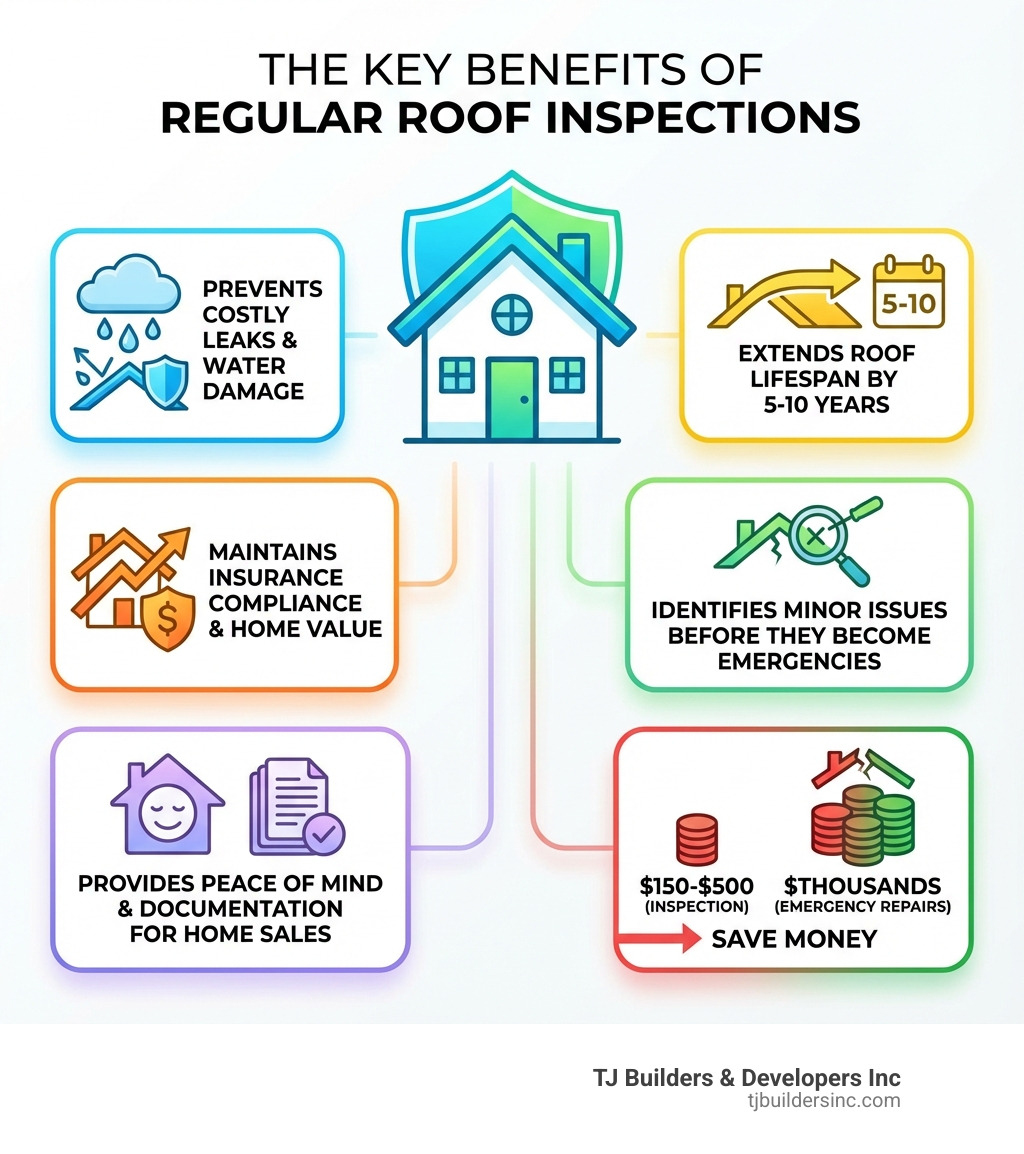
Regular roof inspections are not just a good idea; they’re an essential part of responsible homeownership, particularly in areas like Lakewood, Crystal Lake, Schaumburg, and the wider Chicago suburbs, where we experience a full range of challenging weather conditions. A comprehensive roof inspection helps us identify potential issues early, preventing minor problems from escalating into major, costly repairs.
According to the National Roof Certification and Inspection Association (NRCIA), approximately 30% of all insurance claims are due to leaking roofs and water intrusion. This staggering statistic underscores how vital it is to maintain your roof’s integrity. By catching small issues like a loose shingle or a tiny crack in the flashing, we can save you from the headache and expense of interior water damage, mold growth, and compromised structural elements down the line.
Beyond preventing immediate damage, regular roof inspections are crucial for:
- Insurance Compliance: Many insurance companies keep a close eye on your roof’s age. If your roof is 10, 15, or 20 years old, they may flag your policy and require an inspection report proving it has at least 3-5 years of usable life left. Without this, your policy could be affected.
- Real Estate Transactions: If you’re buying or selling a home, a recent and thorough roof inspection is often a requirement. For buyers, it provides peace of mind and negotiation power. For sellers, it demonstrates due diligence and helps avoid last-minute complications.
- Peace of Mind: Knowing that your home’s primary defense system is in top shape allows you to sleep soundly, especially during our unpredictable Illinois storms.
- Extending Roof Lifespan: Proactive inspections, ideally twice a year, can extend your roof’s life by 5 to 10 years, delaying the need for a full replacement and maximizing your investment.
The Financial Risks of Neglect
Ignoring your roof can feel like a gamble with surprisingly high stakes. The financial consequences of skipping or delaying a roof inspection can be severe, far outweighing the cost of a routine check.
- Water Intrusion: Even a small leak can lead to significant water intrusion. This isn’t just about a drip bucket; water can permeate ceilings, walls, insulation, and even structural wood, creating a breeding ground for mold and mildew.
- Structural Damage: Persistent moisture can weaken roof decking, rafters, and other structural components, compromising the entire integrity of your home. Sagging rooflines or soft spots are often indicators of underlying structural issues.
- Mold Growth: Once mold takes hold, it can be expensive and difficult to eradicate, posing health risks to your family and significantly decreasing your home’s value.
- High Emergency Repair Costs: The number one cause of roof issues is inadequate or deferred roof maintenance, according to the NRCIA. The longer a problem goes unnoticed, the more it will cost to fix. A minor repair today can prevent an emergency replacement tomorrow, which can run into thousands of dollars.
- Insurance Claim Denial: If you file a claim for storm damage, and the insurance adjuster finds evidence of long-standing neglect or pre-existing conditions that a routine inspection would have caught, your claim could be denied. This leaves you to bear the full cost of repairs yourself.
When to Schedule an Inspection
Knowing when to schedule a roof inspection is key to proactive maintenance. We recommend the following schedule:
- Routine Schedule: Ideally, we suggest a roof inspection at least once a year. For optimal protection, especially given our climate in the Chicago suburbs, twice yearly—once in the spring to assess winter damage and again in the fall to prepare for winter—is even better.
- After Severe Weather: Any time we experience significant weather events like heavy hailstorms, high winds, or heavy snowfall and ice, it’s prudent to schedule an inspection. Even if you don’t see obvious damage from the ground, hidden issues can arise.
- Buying or Selling a Home: If you’re in the process of a real estate transaction, a professional roof inspection is almost always a necessity. It ensures both parties are aware of the roof’s condition and helps prevent future disputes.
- Visible Signs of Damage: Don’t wait for a scheduled inspection if you notice obvious red flags like active leaks, water stains on ceilings, missing or curling shingles, or sagging areas. Call us immediately.
- Roof Age Milestones: As your roof ages, the need for inspections increases. If your roof is approaching or has passed the 10, 15, or 20-year mark, it’s a good time for a thorough check-up. This is often when insurance companies start asking questions, too.
The Complete Roof Inspection Checklist: What Pros Look For
When we perform a roof inspection, we follow a systematic approach to ensure every component of your roofing system is thoroughly evaluated. We’re looking for both obvious and subtle signs of wear, damage, and potential issues.
Exterior Ground-Level Check
Our inspection often begins before we even step on a ladder, with a thorough visual assessment from the ground. We look for clues that can indicate problems higher up:
- Siding and Masonry: We check for water stains, mold, or efflorescence on your home’s exterior walls, which can be signs of roof runoff issues or leaks.
- Soffits and Fascia: We inspect for any signs of rot, peeling paint, or damage to these critical components that protect your roof’s edge and ventilation system.
- Gutters and Downspouts: We ensure they are securely attached, free of excessive debris, and draining properly. Clogged gutters can cause water to back up and damage fascia, soffits, and even the roof deck. We also check if downspouts are directing water away from your home’s foundation. For more information on maintaining your home’s drainage, see our page on More info about gutter services.
- Visible Sagging or Unevenness: From a distance, we can often spot subtle sagging in the roofline or uneven planes, which can indicate structural issues with the decking or framing.
- Debris Accumulation: Leaves, branches, and other debris on the roof can trap moisture, promote organic growth, and accelerate deterioration.
- Chimneys and Skylights: We look for cracks in masonry, damaged flashing, or signs of leaks around these common penetration points.
On-the-Roof Surface Check
Once we’re safely on the roof, our inspection becomes much more detailed. This is where we get up close and personal with your roofing materials:
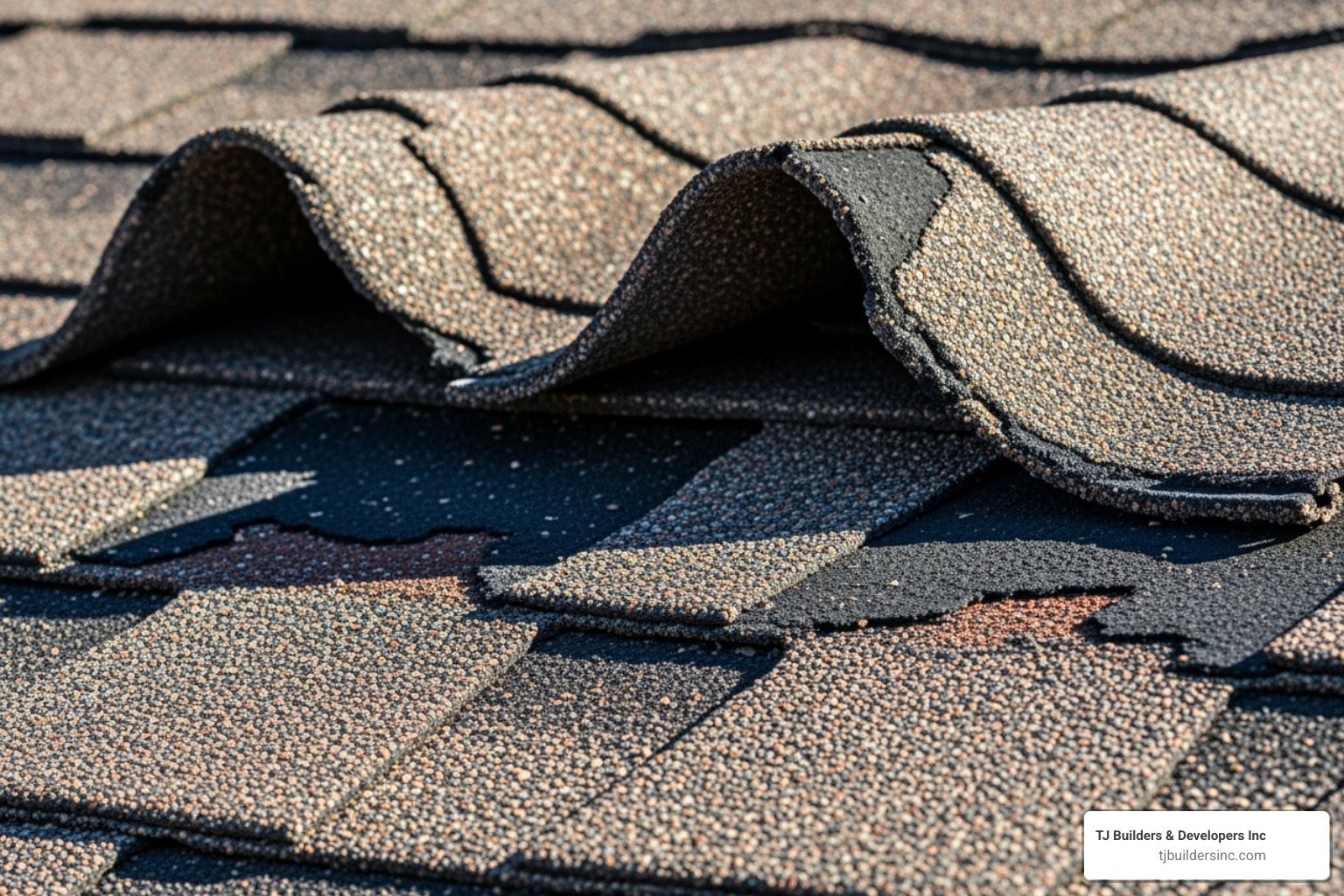
- Shingle Condition: We carefully check for missing, cracked, curling, or buckling shingles. We also look for excessive granule loss, which often indicates your asphalt shingles are nearing the end of their lifespan.
- Flashing: This is a critical area. We inspect all flashing around chimneys, vents, skylights, and in valleys where roof planes meet. We ensure it’s properly installed, sealed, and free of cracks or corrosion. Faulty flashing is a common source of leaks.
- Valleys and Ridges: These are high-stress areas. We check for any signs of wear, damage, or improper sealing.
- Seals around Penetrations: Any pipe vents, exhaust fans, or other elements penetrating the roof are carefully examined to ensure their seals are intact and watertight.
- Moss or Algae Growth: While some organic growth might seem harmless, moss can trap moisture against your shingles, leading to decay. Algae, seen as dark streaks, can indicate moisture issues and impact curb appeal.
- Soft Spots on Decking: As we walk the roof, we’re feeling for any soft or spongy areas underfoot, which are clear indicators of water damage to the underlying roof decking.
Interior & Attic Check
A comprehensive roof inspection isn’t complete without checking the inside of your home, specifically the attic. This interior view provides invaluable clues about the roof’s performance:
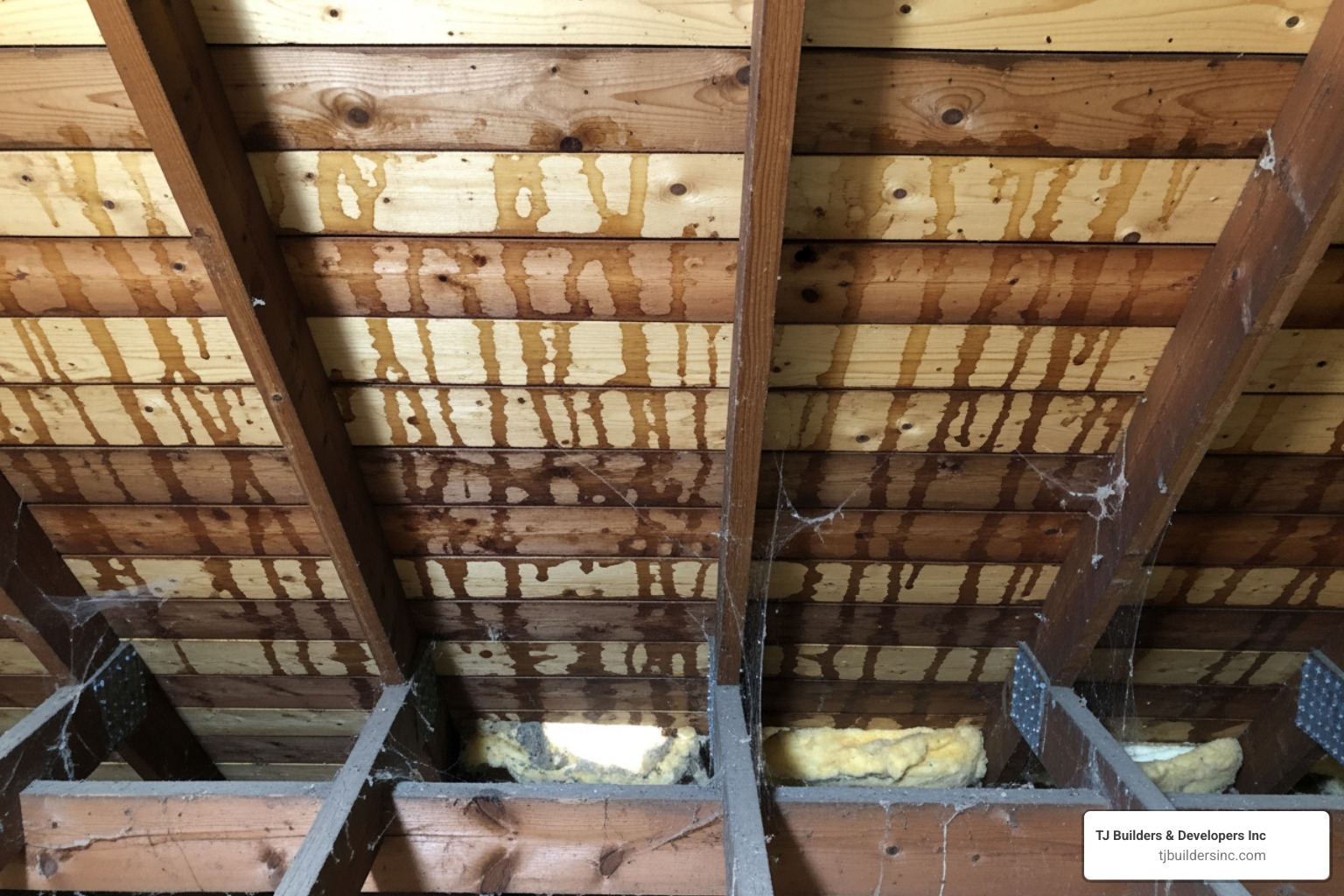
- Water Stains on Ceilings: Any discoloration, peeling paint, or damp spots on your interior ceilings are clear indicators of an active or past leak originating from the roof.
- Mold or Mildew: The presence of mold or mildew in the attic or on insulation points directly to moisture problems, often from leaks or inadequate ventilation.
- Proper Ventilation: We assess your attic’s ventilation system (soffit and ridge vents) to ensure proper airflow. Poor ventilation can lead to heat buildup, premature aging of shingles, and moisture accumulation, contributing to mold and rot.
- Insulation Condition: We check if insulation is damp, compressed, or displaced. Wet insulation loses its R-value, leading to higher energy bills, and dampness can signal leaks.
- Daylight Penetration: If we can see daylight peeking through the roof deck in the attic, it’s an immediate red flag indicating holes or gaps where water can easily enter.
- Sagging Rafters/Decking: From the inside, we can often get a clearer view of the structural integrity of your roof, looking for any sagging or bowing in the rafters or roof decking that might suggest structural weakness.
Understanding the Professional Roof Inspection Process
When you choose TJ Builders & Developers Inc. for your roof inspection, you’re opting for a thorough, professional assessment designed to give you a clear picture of your roof’s health. We take pride in our reliable workmanship and commitment to customer satisfaction.
What you can expect from our professional roof inspection process:
- Expert Evaluation: Our inspectors are trained to identify a wide range of issues, from subtle wear and tear to significant structural damage. We know what to look for and where to find it.
- Thoroughness: We don’t just glance at your roof. Our process involves a systematic check of all visible components, both exterior and interior, as outlined in our checklist.
- Duration: A standard roof inspection can take as little as 45 minutes for a simple, well-maintained roof. However, larger, more complex roofs, or those that have suffered severe damage, could take as long as four hours to check thoroughly. We’ll give you an estimate upfront.
- Safety First: Climbing on roofs can be dangerous. Our professionals use appropriate safety equipment, including sturdy ladders, slip-resistant footwear, and harnesses, to ensure the inspection is conducted without incident.
- Advanced Technology: While visual inspections are foundational, modern techniques can improve accuracy. For instance, drone technology can provide aerial views of hard-to-reach areas, while infrared inspections can detect moisture trapped beneath the roof surface that’s invisible to the naked eye. These advanced methods can cost around $400 for a drone inspection or $400-$600 for an infrared inspection when added to a standard physical check.
How to Prepare for Your Professional Roof Inspection
To help us conduct the most efficient and comprehensive roof inspection, there are a few things you can do to prepare:
- Clear Roof Debris: If it’s safe to do so, clear any excessive leaves, branches, or other debris from your roof surface and gutters. This improves visibility and allows for a more accurate assessment.
- Trim Overhanging Branches: If you have trees with branches overhanging your roof, consider trimming them back. This not only makes the inspection easier but also helps prevent future damage from falling limbs or abrasive contact.
- Ensure Attic Access is Clear: Our inspectors will need access to your attic to check for leaks, ventilation issues, and structural integrity. Please ensure the attic entrance is clear of obstructions.
- Provide Past Repair Documents: If you have any records of previous roof repairs, replacements, or past inspection reports, sharing these with your inspector can provide valuable historical context.
- Gutter Maintenance: While we will inspect your gutters, ensuring they are relatively clear before we arrive can help us focus on potential roof-related issues rather than just clogs. Learn more about our More info about gutter services if you need assistance.
Decoding the Report and Costs
Once our roof inspection is complete, we’ll provide you with a detailed report. Understanding this report and the associated costs is crucial for making informed decisions about your home.
- Average Cost: The cost of a professional roof inspection can vary. On average, homeowners can expect to pay between $150 and $500. However, prices can range higher for larger or more complex roofs, reaching up to $1,000 or more, especially if advanced techniques like drone or infrared technology are used.
- Factors Affecting Price: Several factors influence the cost:
- Roof Size and Pitch: Larger or steeper roofs require more time and effort.
- Material Type: Different roofing materials (asphalt, metal, tile) have varying inspection complexities.
- Accessibility: Difficult-to-access roofs may incur additional charges.
- Scope of Inspection: A basic visual check will cost less than a comprehensive structural and interior assessment.
- Location: Costs can vary slightly based on local market rates within the Chicago suburbs.
- What a Report Includes: Our comprehensive report will typically include:
- Detailed Findings: A clear description of any issues finded, categorized by severity.
- Photographic Evidence: Pictures documenting all findings, making it easy to understand the problems.
- Recommendations: Specific suggestions for necessary repairs or maintenance, prioritized by urgency.
- Estimated Remaining Lifespan: An assessment of how much useful life your roof has left, which is particularly important for insurance and future planning.
Red Flags: When an Inspection Signals a Bigger Problem
Sometimes, a roof inspection reveals issues that go beyond minor repairs, indicating that a full roof replacement may be imminent or necessary. Recognizing these red flags early can save you from catastrophic damage down the line.
Common Signs Your Roof Needs Replacement
While regular maintenance can extend your roof’s life, there comes a point when replacement is the most cost-effective and safest option. Here are the common signs we look for that often indicate your roof needs replacement:
- Widespread Granule Loss: If you find a significant amount of shingle granules in your gutters or downspouts, it means your shingles are losing their protective coating and are nearing the end of their useful life.
- Multiple Leaks: While a single, isolated leak might be repairable, multiple leaks in various areas often suggest a systemic failure of the roofing system.
- Sagging Roof Deck: A noticeable sag or dip in your roofline indicates a serious structural problem with the roof decking or framing, often caused by long-term moisture damage or insufficient support.
- Roof Age Exceeds Lifespan: Most asphalt shingle roofs are designed to last 20-30 years. If your roof is older than this, even if it looks okay from the ground, it’s likely time for a replacement.
- Extensive Storm Damage: Severe hail, high winds, or ice damage can cause widespread compromise to shingles, flashing, and the underlying structure, making repair impractical or impossible.
- Curled, Cracked, or Missing Shingles: If a significant portion of your shingles are curling at the edges, cracking, or are missing entirely, your roof’s protective barrier is severely compromised.
- Dark Streaks, Moss, or Algae: While not always a sign of immediate failure, widespread organic growth can accelerate shingle deterioration and indicates trapped moisture.
- High Energy Bills: Poor roof insulation or ventilation, often a symptom of an aging or damaged roof, can lead to significant heat loss or gain, driving up your heating and cooling costs.
The Dangers of Delaying Repairs
Delaying necessary repairs or a full roof replacement when these red flags appear is a risky gamble. The costs and consequences can quickly escalate:
- Minor Leaks Becoming Major Problems: A small, seemingly insignificant leak can quickly turn into a torrent during a heavy rainstorm, causing extensive damage in a short amount of time.
- Compromised Structural Integrity: Water infiltration can rot roof decking, rafters, and even wall studs, leading to costly structural repairs that are far more expensive than a timely roof replacement.
- Interior Water Damage: Beyond the roof structure, water can damage ceilings, walls, flooring, electrical systems, and your personal belongings, leading to an interior renovation nightmare.
- Reduced Home Value: A roof in obvious disrepair significantly detracts from your home’s curb appeal and market value. It’s often one of the first things potential buyers notice and can be a deal-breaker.
- Health Hazards: Mold and mildew thrive in damp conditions, posing respiratory health risks to your family.
- We offer comprehensive services to address these issues. If you’re facing minor damage, explore our More info about roof repair services. For more extensive problems, our More info about reroofing services can provide a lasting solution.
Frequently Asked Questions about Roof Inspections
We understand that homeowners often have questions about the roof inspection process. Here are some of the most common inquiries we receive:
Can I perform a roof inspection myself?
While you can certainly perform basic visual checks from the ground using binoculars to look for obvious signs of damage like missing shingles or debris, we strongly recommend against getting on the roof yourself. Climbing on a roof, especially one that might be damaged or steep, poses significant safety risks. Professionals have the necessary training, experience, and safety equipment to safely steer your roof and identify subtle issues that an untrained eye might miss. A professional assessment is always recommended for accuracy and safety, ensuring no hidden problems are overlooked.
How long does a roof inspection take?
The duration of a roof inspection can vary depending on several factors. A standard inspection for a residential home usually takes anywhere from 45 minutes to a few hours. This timeframe can be influenced by:
- Roof Size and Complexity: Larger homes or roofs with multiple facets, dormers, or steep pitches will naturally take longer.
- Roofing Material: Different materials (e.g., asphalt shingles vs. metal or tile) require different inspection techniques and time.
- Condition of the Roof: If significant damage or multiple issues are present, the inspector will need more time to thoroughly document their findings.
- Accessibility: Difficult-to-access areas or attics can extend the inspection time.
We always recommend asking your inspector for a time estimate when you schedule your appointment.
What are the specific roof inspection requirements in Florida?
While we primarily serve the Illinois area, it’s helpful to look at regions like Florida to understand how stringent regional regulations can become, especially concerning insurance. This illustrates the importance of being aware of local requirements wherever you are.
In Florida, due to its unique climate and frequent severe weather, insurance companies are particularly strict about roof condition and age. For example:
- Insurance Mandates: Many insurers will require a professional roof inspection to prove that your roof has at least 3-5 years of remaining usable life, especially if the roof is 10, 15, or 20 years old.
- Mandatory Inspections for Older Homes: For homes 15 years or older, or during real estate transactions, a “4-point inspection” is often required, which includes a detailed assessment of the roof.
- Permit Requirements: Re-roofing projects in Florida often involve specific mid-roof and final inspections by local building departments to ensure code compliance.
This serves as an example of regional regulations that highlight the critical need for homeowners in any area, including the Chicago suburbs, to understand their local building codes, permit requirements, and their insurance policy’s specific demands regarding roof inspections. What might be a recommendation in one area could be a mandatory requirement elsewhere, and staying informed is always your best defense.
Protect Your Investment with a Professional Inspection
Your home is likely your biggest investment, and its roof is its most important protective feature. Neglecting its care is like driving a car without changing the oil – eventually, something expensive is bound to break. A professional roof inspection is a small, proactive investment that yields significant returns in terms of protection, peace of mind, and long-term savings.
Regular roof inspections help you avoid costly emergency repairs, extend your roof’s lifespan, maintain insurance compliance, and preserve your home’s value. Don’t wait for a drip to become a deluge.
At TJ Builders & Developers Inc., we believe in providing reliable workmanship, competitive pricing, and eco-friendly solutions to ensure customer satisfaction. We’re here to help you protect your home in Lakewood, Crystal Lake, Schaumburg, and across the Chicago suburbs. Our expert assessments can give you the clear picture you need to keep your roof in top condition.
Contact us for a comprehensive roofing evaluation today, and let us help you keep the roof over your head safe and sound for years to come.